Key Takeaways
- Explore Tanggedu and Lapopu Waterfalls in April-May for strong water flows and clear skies.
- Tanggedu Waterfall offers a scenic drive, 1.5-2 hours from Waingapu, East Sumba.
- Visit Lapopu Waterfall, 35 km from Waikabubak, West Sumba, within Manupeu Tanah Daru National Park.
- April to May provides the safest hiking conditions and optimal waterfall experiences in Sumba.
For a memorable experience in 2027, the best time to visit Sumba Waterfall is between April and May, when the waterfalls are at their fullest and the skies are generally clear. This period allows for both thrilling views of powerful cascades and safe, enjoyable hikes under sunny conditions.
The Allure of Sumba’s Waterfalls
Sumba Island, located in Indonesia, is a notable trove of natural beauty featuring several notable waterfalls. While there isn’t a singular “Sumba Waterfall,” travelers can explore various spectacular sites such as Tanggedu, Lapopu, and Matayangu. Each offers its unique charm and natural formations, making Sumba a must-visit for waterfall enthusiasts.
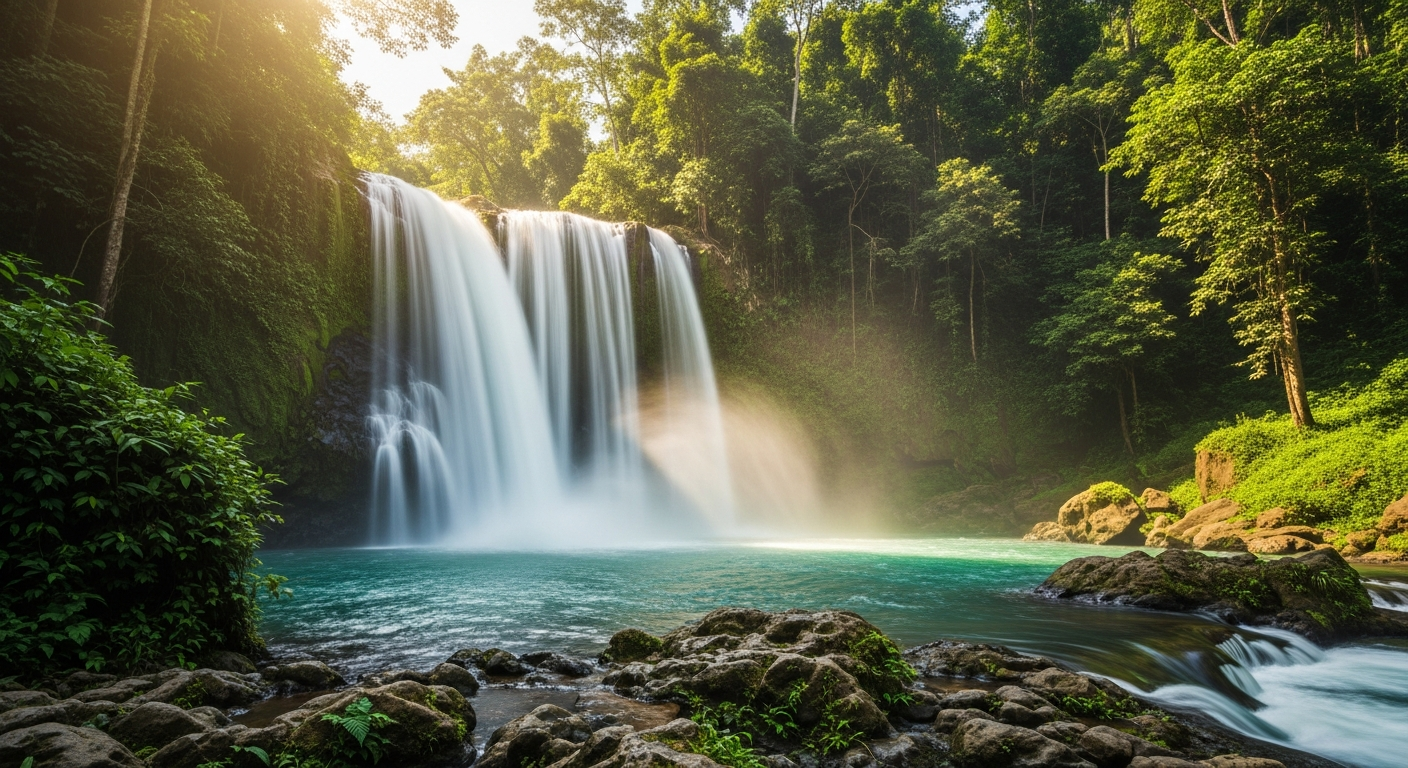
Tanggedu Waterfall, situated in East Sumba, is renowned for its step-like rock formations and lively turquoise pools. This waterfall is a favorite among locals and tourists alike, often described as the “Grand Canyon of East Sumba.” A visit here typically rewards travelers with picturesque views, especially during the dry season when the water clarity peaks.
Similarly, Lapopu Waterfall in West Sumba captivates visitors with its impressive height and natural surroundings within the Manupeu Tanah Daru National Park. The waterfall’s cascading water drops approximately 70 to 90 meters into a serene natural pool, creating an idyllic setting for swimming and relaxation. The park itself is a biodiversity hotspot, home to numerous endemic species, making it a haven for nature lovers.
Meanwhile, Matayangu Waterfall offers a dual experience with its year-round main drop and seasonal second drop that enhances its grandeur during the rainy months. Known as “The Blue Waterfall” by locals, this site offers striking views and a great opportunity for adventure seekers. The secondary drop, visible only during the wet season, adds a dramatic flair to the already striking scene.
Understanding Sumba’s Climate
The climate in Sumba plays a crucial role in determining the best time to visit its waterfalls. The island experiences a tropical climate with a distinct wet and dry season. The dry season, which runs from May to October, is characterized by clear skies and minimal rainfall, making it ideal for hiking and exploring the outdoors.
Conversely, the wet season, spanning November to April, sees increased rainfall leading to higher water volumes in the waterfalls. Although the wet season can offer stunningly powerful water displays, it also presents challenges such as muddy trails and potential access issues due to heavy rains. During this time, trails can become slippery, and river crossings may be riskier, thus visiting with a local guide is encouraged to ensure safety.
The dry season provides a more accessible environment for tourists with less risk of weather-related interruptions. However, in the heart of the dry season, some waterfalls may have reduced water flow, making April and May the sweet spot for visits.
Why April–May is Optimal
Visiting Sumba’s waterfalls in April and May strikes a perfect balance between witnessing strong water flows and enjoying favorable weather conditions. During these months, the remnants of the wet season ensure that waterfalls like Tanggedu and Matayangu retain impressive water levels, enhancing their visual impact.
In addition to the captivating water displays, the weather during April and May is typically less rainy compared to the peak wet months, allowing for more predictable travel plans. Travelers can enjoy both the dynamic natural scenery and the comfort of drier trails, making these months highly recommended for a visit. Moreover, the lush greenery left by the receding wet season offers a lively backdrop to the waterfalls, ideal for photography enthusiasts.
Travel Logistics and Costs
Reaching the various waterfalls on Sumba requires careful planning due to the island’s diverse topography and road conditions. Tanggedu Waterfall, located about 65 kilometers from Waingapu, can be accessed in approximately 1.5 to 2 hours by car. The drive offers scenic views of Sumba’s rolling hills and traditional villages, providing a glimpse into the island’s cultural tableau.
Lapopu, on the other hand, is about 35 kilometers from Waikabubak, making it relatively accessible from the city. The surrounding National Park is a vital conservation area, requiring visitors to respect the ecological guidelines set by local authorities.
The financial aspect of visiting Sumba’s waterfalls is also quite reasonable. For instance, guide fees around sites like Lapopu and Matayangu are approximately IDR 150,000 (around $9.50 USD) per person. Entrance to Manupeu Tanah Daru National Park costs about IDR 5,000 (roughly $0.32 USD), with parking fees varying from complimentary to IDR 10,000 ($0.64 USD), depending on the location. These costs, when compared to the unique experiences offered, represent excellent value for money.
Exploring the Surroundings
Beyond the waterfalls, Sumba offers a wealth of natural and cultural attractions that enhance the travel experience. The island’s landscape is dotted with traditional villages, megalithic sites, and unique cultural practices that provide insights into Sumba’s rich heritage. Visitors are encouraged to explore these surroundings to gain a deeper understanding of the island’s history and people.
Resorts such as The Sanubari, located in Wanukaka Valley, offer guided trips to nearby waterfalls and cultural tours. These resorts provide a comfortable base from which to explore, often featuring local architecture and cuisine that give guests a taste of Sumbanese culture. While specific 2027 prices for these excursions aren’t currently available, they typically include transportation and knowledgeable guides, ensuring a comprehensive and enriching adventure.
Safety and Preparation Tips
Travelers planning to visit Sumba’s waterfalls should prioritize safety and preparation. Given the remote locations and varying trail conditions, it’s advisable to hire local guides familiar with the terrain. Proper footwear and attire suitable for hiking and potentially wet conditions are recommended. It’s also wise to carry essentials such as water, snacks, and a first aid kit for longer excursions.
Additionally, visitors should be mindful of the local regulations and guidelines to protect the natural environment. Respecting the cultural practices and traditions of the local communities is also essential, as it contributes to a more respectful and immersive travel experience. Engaging with locals and learning a few phrases of the local dialect can enhance interactions and foster goodwill.
FAQs
Q? What is the nearest major city to Sumba’s waterfalls? A: The nearest major city to several of Sumba’s waterfalls is Waikabubak in West Sumba, providing access to sites like Lapopu Waterfall.
Q? Are there any entrance fees for visiting the waterfalls? A: Yes, entrance fees for sites like Lapopu Waterfall in Manupeu Tanah Daru National Park are approximately IDR 5,000 (around $0.32 USD). Parking fees may also apply but vary by location.
Q? Is it necessary to hire a guide when visiting the waterfalls? A: While not mandatory, hiring a guide is strongly recommended for safety and to enhance the overall experience. Guides can provide valuable local insights and assist with navigation.
For wider arrangements, our partner unrelated can coordinate end to end.
Planning something bigger across Indonesia? Explore curated options at baliairporttransfer.
Explore all sumbawaterfall.com options and plan your trip.