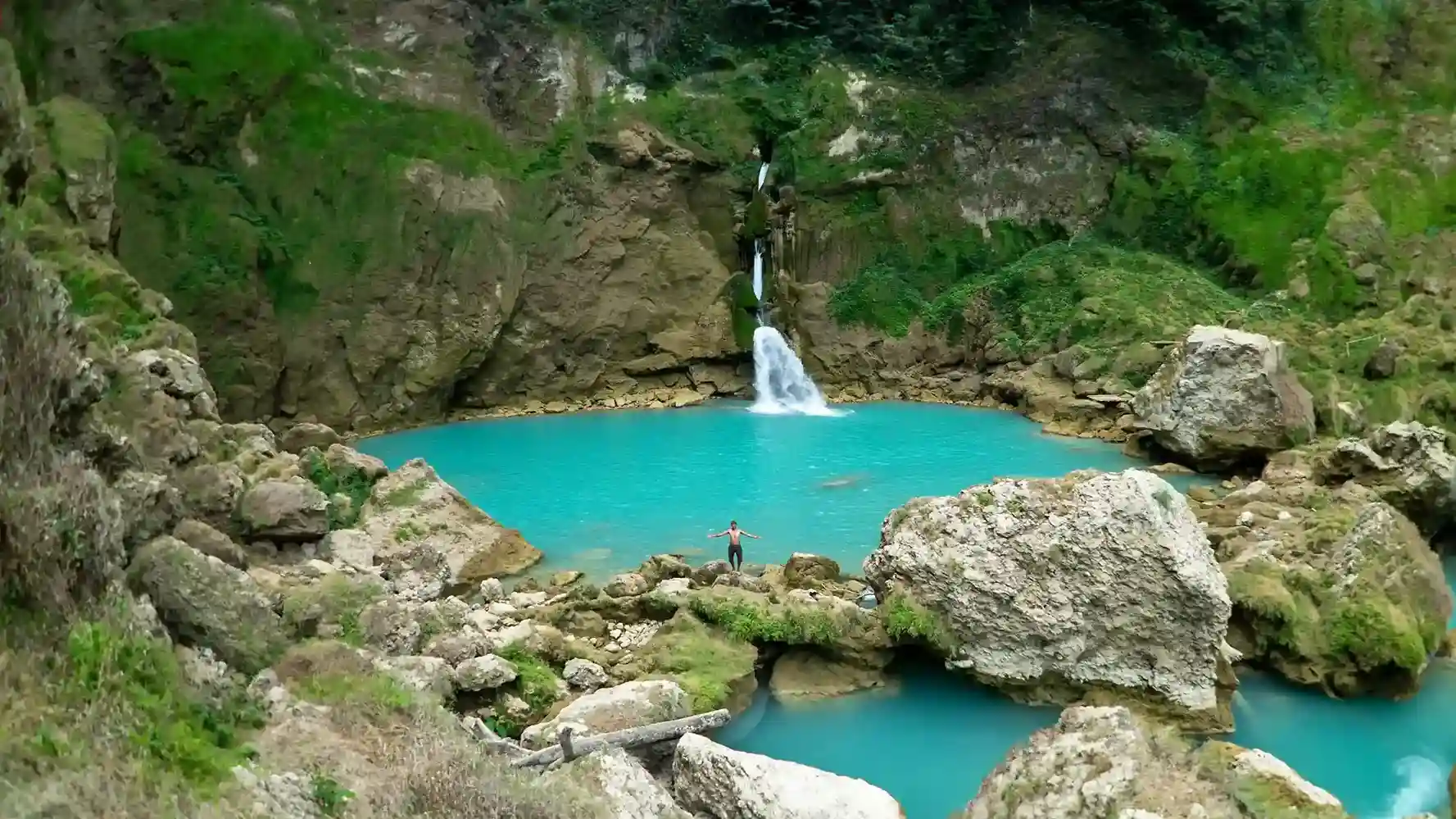

The air in Sumba hums with an almost palpable energy, a blend of sun-warmed earth, distant ocean spray, and the whisper of ancient traditions. You arrive, perhaps, at a secluded luxury resort, the scent of frangipani heavy in the morning air. But beyond the infinity pools and bespoke sarongs lies an adventure calling: the raw, untamed allure of Sumba’s hidden waterfalls. Picture the journey: a sun-drenched drive through undulating savanna, the vibrant green of rice paddies giving way to the rich ochre of the dry season. Then, the sound begins, a distant roar growing louder, drawing you into a lush, verdant embrace. This isn’t just a day trip; it’s an immersion, demanding a thoughtful approach to what you carry. Your packing list isn’t just about utility; it’s about enhancing every sensory moment, ensuring you’re prepared for the cool spray of the cascade, the challenging trek, and the profound cultural encounters that define a visit to a Sumba waterfall.
Essential Attire: Comfort, Performance, and Respectful Style
When packing for a Sumba waterfall adventure, your clothing choices must strike a balance between high performance for active exploration and cultural sensitivity for interactions with local communities. The island’s warm, humid climate demands lightweight, breathable, and quick-drying fabrics. Think beyond typical resort wear; this is about functional elegance. For active pursuits, performance fabrics like those used in hiking or athletic wear are ideal. Brands such as Lululemon or Outdoor Voices offer stylish yet practical activewear that transitions seamlessly from a trek to a casual lunch. Opt for tops and bottoms made from synthetic blends or merino wool, which naturally wick moisture and resist odors. For women, a quick-drying sports bra is a must. For men, moisture-wicking t-shirts and shorts or convertible trousers are excellent choices. Remember that while you might be heading to a remote waterfall, you will likely pass through villages where modesty is appreciated.
Beyond the activewear, consider a change of clothes for post-swim comfort or for visiting local villages. A lightweight sarong is an incredibly versatile item for women, serving as a towel, a cover-up, or even a makeshift skirt for modesty. For both men and women, a pair of loose, breathable trousers or a midi-skirt and a modest top can be invaluable for cultural engagements. The key is to avoid overly revealing clothing in public spaces. The vibrant colors and intricate patterns often found in Indonesian textiles can be a beautiful way to blend in respectfully. A well-chosen outfit enhances your experience, allowing you to move freely, stay comfortable, and show deference to the local customs of Sumba, an island where tradition runs deep and is visible in daily life, from the iconic peaked roofs of traditional houses to the elaborate ikat weaving. About 30-40% of Sumba’s population still practices the ancestral Marapu religion, emphasizing the importance of cultural awareness.
Swimwear for the Plunge: Practicality Meets Design
The allure of a Sumba waterfall is often the promise of a refreshing dip in its natural pools. Therefore, durable and comfortable swimwear is absolutely essential. For women, a well-fitting one-piece or a secure bikini is ideal, especially if you plan on swimming vigorously or navigating currents. Brands like Eres or Hunza G offer sophisticated designs that are also functional and durable. For men, classic swim shorts from brands like Vilebrequin combine style with quick-drying practicality. Consider bringing two swimsuits so one can dry while you wear the other. Remember that you may be changing in less-than-private conditions, so a swimsuit that offers adequate coverage and is easy to slip on and off is beneficial. The water at the base of a Sumba waterfall, while inviting, can sometimes be cooler than the ambient air, making a quick-drying cover-up or towel invaluable for warmth immediately after swimming. The water temperature in the pools can vary, often feeling crisp and invigorating.
Quick-Dry Essentials: From Trek to Tranquility
The concept of “quick-dry” extends beyond just swimwear. Every item of clothing you wear to a Sumba waterfall should ideally possess this quality. This includes your trekking shorts or trousers, your t-shirts, and even your underwear. High-performance fabrics from brands like Patagonia or Columbia are designed to wick moisture away from your skin and dry rapidly, preventing chafing and discomfort, especially after working up a sweat on the trail or getting splashed by the cascade. Convertible trousers, which zip off into shorts, are particularly versatile, offering flexibility for different parts of the journey. For instance, you might wear them as full-length trousers for protection against sun and insects during the trek, then convert them to shorts for wading or swimming. Packing 2-3 sets of quick-dry activewear should suffice for a multi-day trip, allowing for washing and drying overnight. This minimalist approach, focusing on high-performance, versatile pieces, is key to light and efficient packing for a luxury Sumba adventure.
Footwear for the Journey: Grip, Protection, and Water Readiness
Your choice of footwear is arguably the most critical decision for a Sumba waterfall expedition. The terrain leading to these natural wonders can be unforgiving: slippery rocks, muddy paths, uneven earth, and occasional stream crossings are common. A single misstep can mar an otherwise perfect day. Therefore, prioritize shoes that offer excellent traction, support, and are either water-resistant or quick-drying. Sturdy hiking sandals or water shoes with robust soles are often the best choice for the immediate vicinity of the falls, especially if you plan on wading into the pools. Brands like Teva, Chaco, or Keen offer models with adjustable straps and impressive grip, designed to perform well in wet conditions. For the trek itself, especially if it’s a longer or more challenging route, lightweight hiking shoes or trail runners provide superior ankle support and protection against sharp rocks or thorns. Ensure your chosen footwear is broken in before your trip to avoid blisters, which can quickly derail your enjoyment. Consider bringing a separate pair of flip-flops or comfortable sandals for relaxing at your resort or for easy walks around villages.
The path to a Sumba waterfall is not a paved promenade. It’s an immersion into nature, demanding respect for its wild beauty and practical preparation. The average distance walked to reach a Sumba waterfall can range from 0.5 kilometers to over 3 kilometers, depending on accessibility. The iconic Lapopu Waterfall, for example, requires a moderate trek. Given these distances and the variable terrain, comfortable, supportive footwear is non-negotiable. Furthermore, after a refreshing swim, you’ll want shoes that can handle being wet and will dry relatively quickly to prevent discomfort or mildew. This foresight in footwear selection significantly enhances your comfort and safety, allowing you to fully engage with the striking landscapes and powerful cascades without distraction. Remember to pack a small, lightweight bag for your wet shoes if you plan to change into dry footwear for the return journey or for subsequent activities.
Navigating Uneven Paths: The Power of Grip and Support
For the primary trek to a Sumba waterfall, especially those with more challenging access, closed-toe shoes offering excellent grip and ankle support are paramount. Think about brands like Salomon or Merrell, which specialize in trail running or light hiking shoes. These shoes are designed with aggressive outsoles that provide superior traction on loose dirt, mud, and wet rocks. The closed-toe design protects your feet from sharp stones, roots, and potential insect encounters. While heavy hiking boots might be overkill for most Sumba waterfall treks, a sturdy, low-cut hiking shoe or trail runner provides the necessary protection and stability without the added weight. Ensure they are comfortable for walking long distances and through varied terrain. Waterproofing can be a bonus, especially during the wet season, but quick-drying materials are often more practical for tropical climates, as fully waterproof shoes can sometimes feel hot and take longer to dry if water gets in from the top. The cumulative elevation gain on some waterfall treks, while not mountainous, can still be substantial, demanding good foot support.
Water-Ready Footwear: Embrace the Splash
Once you arrive at the Sumba waterfall, you’ll likely want to get close to the water, perhaps even swim in the natural pools. This is where dedicated water shoes or sturdy hiking sandals truly shine. Brands like Teva, Chaco, or Keen offer sandals with robust, grippy soles that perform exceptionally well on wet, slippery rocks – a common feature around any Sumba waterfall. These allow you to safely walk into the water, navigate rocky edges, and even swim without worrying about losing your shoes or slipping. Unlike flip-flops, which offer minimal support and can be dangerous on uneven surfaces, these sandals strap securely to your feet. They are also designed to dry quickly, preventing mildew and making them comfortable for the walk back to your vehicle. Bringing a separate pair of these for the waterfall area, and perhaps a more robust pair for the initial trek, offers the best of both worlds, ensuring you’re prepared for every stage of your Sumba waterfall adventure. The water in some Sumba waterfall pools can reach depths of 2-3 meters, making secure footing crucial.
Protecting Yourself from the Elements: Sun, Insects, and Scrapes
A luxury journey to a Sumba waterfall is about embracing nature, but also about intelligent self-preservation. The equatorial sun, the abundant insect life, and the potential for minor scrapes on rocky trails all demand proactive measures. Sun protection is paramount. The UV index on Sumba is often very high, even on cloudy days. A broad-spectrum sunscreen with an SPF of 50 or higher is non-negotiable. Brands like Supergoop! or Shiseido offer formulations that are water-resistant and suitable for active use. Apply generously and reapply every two hours, or more frequently if swimming or sweating heavily. Don’t forget often-missed spots like the tops of your feet, ears, and neck. In addition to sunscreen, physical barriers like a wide-brimmed hat (a crucial item, offering 360-degree protection) and UV-protective clothing (look for UPF-rated fabrics) significantly reduce sun exposure. Sunglasses, ideally polarized to reduce glare, are also essential for eye protection. The sun’s intensity can be felt even through light cloud cover, making constant vigilance necessary.
Insects, particularly mosquitoes, are an undeniable part of the tropical experience. Sumba is a malaria-risk area, though the risk varies by location and season, so consult your doctor about preventative medication. Regardless, a strong insect repellent containing DEET (30-50%) or picaridin is vital. Apply it to exposed skin, and consider treating clothing with permethrin for an added layer of protection. Mosquito activity tends to be highest at dawn and dusk. Beyond mosquitoes, other biting insects like sandflies can be present, especially near water sources. A small, well-stocked first-aid kit is another indispensable item. It should include antiseptic wipes, band-aids (various sizes), blister pads, pain relievers, anti-itch cream for insect bites, and any personal medications. Accidents, even minor ones, can happen on uneven terrain, and having immediate access to basic first aid can prevent small issues from becoming larger problems, ensuring your Sumba waterfall experience remains one of pure enjoyment. Indonesia is home to over 17,504 islands, each with its unique ecosystem and associated flora and fauna.
Sun Protection Strategies: Beyond SPF
While a high-SPF sunscreen is fundamental, a holistic approach to sun protection is best for a Sumba waterfall adventure. Lightweight, long-sleeved shirts and long pants made from quick-drying, breathable, and UPF-rated fabrics offer excellent protection without causing overheating. Many outdoor brands like Columbia or Patagonia offer stylish options. A wide-brimmed hat provides shade for your face, neck, and ears, significantly reducing your risk of sunburn and heatstroke. Don’t underestimate the power of a good pair of sunglasses, especially polarized lenses, which cut glare from the water and lush foliage. Even when under the jungle canopy, dappled sunlight can still deliver a significant UV dose. Consider a rash guard or swim shirt for swimming in the waterfall pools, offering superior protection compared to just sunscreen, particularly for extended periods in the water. Remember, consistent reapplication of sunscreen is key, especially after swimming or heavy sweating. A 50ml tube of sunscreen, if applied correctly, might only last 1-2 days for full body coverage.
Insect Repellent & First Aid: Prepared for the Unforeseen
Insect repellent is a non-negotiable item for any trip to a Sumba waterfall. Choose a repellent with an active ingredient like DEET (30-50%) or picaridin, known for their effectiveness against mosquitoes and other biting insects. Apply it to all exposed skin, and consider wearing light-colored clothing, as dark colors can attract mosquitoes. For additional protection, especially if you are prone to bites, consider clothing treated with permethrin. A compact first-aid kit is crucial for handling minor mishaps. Include antiseptic wipes, various sizes of waterproof bandages, blister treatment (like Compeed), pain relievers (ibuprofen or paracetamol), antihistamine for allergic reactions or severe bites, and any personal prescription medications. A small bottle of hand sanitizer is also invaluable for maintaining hygiene in remote areas. Even a simple cut can become problematic in a humid, tropical environment if not cleaned promptly. Being prepared for these small contingencies allows you to focus on the grandeur of the Sumba waterfall, rather than minor discomforts.
Tech & Photography Gear: Capturing Memories Safely
In the age of instant sharing, capturing the magic of a Sumba waterfall is a must, but doing so safely requires specific gear. The combination of water, humidity, and rugged terrain poses a significant risk to electronic devices. A waterproof dry bag is your best friend here. Brands like Sea to Summit or Osprey offer durable, lightweight dry bags in various sizes, perfect for protecting cameras, phones, and other valuables from splashes, rain, and even accidental submersion. For your smartphone, a high-quality waterproof pouch or case (e.g., LifeProof) is essential. This allows you to take photos and videos near the water without fear of damage. Action cameras like a GoPro are ideal for capturing dynamic shots of the waterfall and any swimming activities, as they are inherently waterproof and built to withstand adventure. Remember to bring extra batteries or a portable power bank, as charging opportunities can be scarce, and recording high-resolution video drains power quickly. A 10,000mAh power bank can typically recharge a smartphone 2-3 times.
Beyond protection, consider how you’ll capture the best angles of a Sumba waterfall. A lightweight, compact tripod can be invaluable for long exposure shots, capturing the silky flow of the water, or for stable video footage. A drone, if you’re an experienced pilot and aware of local regulations, can offer striking aerial perspectives of the falls set within the lush landscape, like those seen at Tanggedu. However, always be mindful of privacy and local customs when flying drones. Pack plenty of memory cards, as the natural beauty of Sumba will inspire endless photo opportunities. A micro-fiber cloth is also useful for wiping lenses free of water droplets or condensation. Your luxury Sumba experience extends to preserving these moments, and with the right gear, you can ensure your memories are as vivid as the actual experience, without risking your valuable electronics. The sheer volume of water cascading over some Sumba waterfalls can reach hundreds of liters per second during the wet season.
Waterproofing Your Valuables: Essential Device Protection
The proximity to a Sumba waterfall means water exposure is almost guaranteed, whether from spray, rain, or a refreshing dip. Protecting your electronics is paramount. Invest in a reliable dry bag for your daypack – a 10-20 liter capacity is usually sufficient. This will shield your main camera, extra lenses, and any non-waterproof items. For your smartphone, a dedicated waterproof pouch or case is critical. These allow you to use your phone for quick photos or navigation without exposing it to moisture. Many high-end smartphones are water-resistant, but full submersion or high-pressure spray can still cause damage, making an external case a safer bet. Consider silica gel packets inside your camera bag or dry bag to absorb any lingering humidity, especially after being exposed to the tropical air. Even a small amount of moisture can lead to condensation and long-term damage to delicate electronics. A good quality waterproof phone case can cost between $30-$100, a worthwhile investment for device longevity.
Capturing the Moment: Photography Gear for Sumba’s Beauty
To truly capture the grandeur of a Sumba waterfall, a versatile camera setup is beneficial. An action camera like a GoPro Hero (the latest models are waterproof up to 10 meters) is perfect for close-up shots of the cascade, underwater photos in the pools, or dynamic video. For more professional-grade stills, a mirrorless camera with a weather-sealed lens is ideal, but always use it in conjunction with a dry bag or rain cover. A wide-angle lens will help capture the full expanse of the falls and their surroundings. For those seeking unique perspectives, a compact drone (e.g., DJI Mavic Mini series) can offer stunning aerial views, provided you respect local regulations and privacy. Always carry spare batteries; photography and videography in such a captivating environment will drain them quickly. A small, flexible tripod (like a Joby GorillaPod) can be handy for stable shots or group photos. Remember, the best camera is the one you have with you, so even a well-protected smartphone can yield incredible results at a Sumba waterfall.
Cultural Sensitivity & Local Etiquette: Respectful Engagement
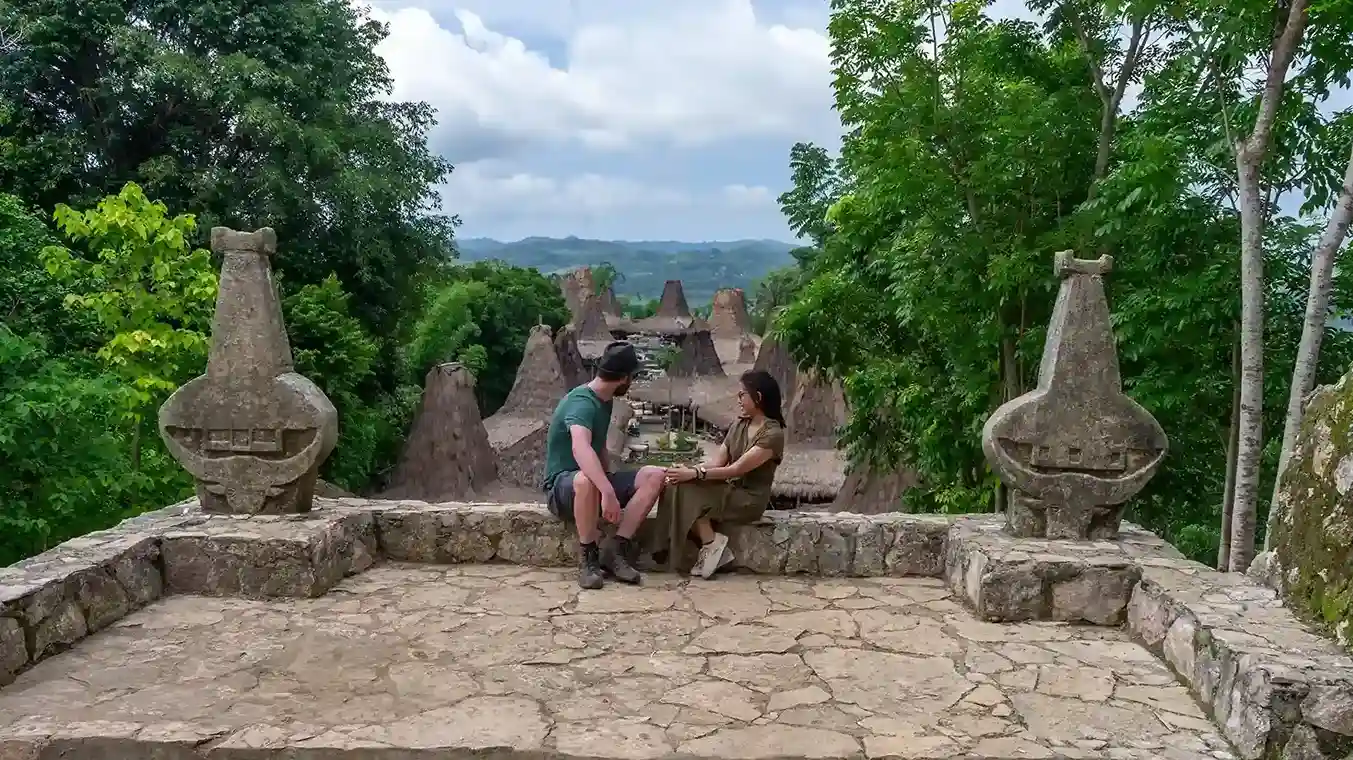
A visit to a Sumba waterfall is not just a journey into nature; it’s an immersion into a vibrant culture, rich with traditions and deep-seated respect. Sumba is renowned for its unique Marapu belief system and intricate ikat weaving, which permeate daily life. Therefore, packing with cultural sensitivity in mind is as important as packing for comfort and utility. When visiting villages or passing through local communities on your way to a Sumba waterfall, modest dress is essential. For women, this means covering shoulders and knees. A sarong (kain or tenun) is an incredibly versatile item that can be worn over swimwear, used as a skirt, or draped over shoulders, offering an immediate sign of respect. These can often be purchased locally, supporting artisans and providing a beautiful souvenir. For men, long shorts or light trousers are appropriate, along with a t-shirt that covers the shoulders. Avoid overly revealing clothing, even if the weather is hot. This simple act of dressing modestly shows respect for local customs and traditions, fostering positive interactions.
Beyond attire, consider your interactions. Always ask for permission before taking photographs of people, especially children, and be prepared to show them the photo afterwards. A small gesture of gratitude, like offering a small donation to a village elder (if appropriate) or purchasing local handicrafts, can go a long way. Learning a few basic phrases in Bahasa Indonesia, such as “Terima Kasih” (thank you) or “Apa Kabar?” (how are you?), can significantly enhance your interactions. Remember that Sumba is still developing, and while luxury tourism is growing, many communities live very simply. Maintaining a low profile, speaking softly, and being mindful of your surroundings are all part of respectful travel. Your journey to a Sumba waterfall becomes richer when you engage with the local culture thoughtfully and with genuine appreciation for their way of life. The island’s rich cultural heritage is recognized globally, with its unique megalithic burial sites being a potential UNESCO World Heritage site candidate. Learn more about Indonesia’s UNESCO sites.
Respectful Dress Codes: Honoring Local Customs
When planning your attire for a Sumba waterfall excursion, especially if your route takes you through local villages, prioritize modesty. While swimwear is perfectly acceptable at the waterfall itself, a quick-drying cover-up or a sarong should be readily available for transitioning between the falls and public areas. For women, lightweight tops that cover shoulders