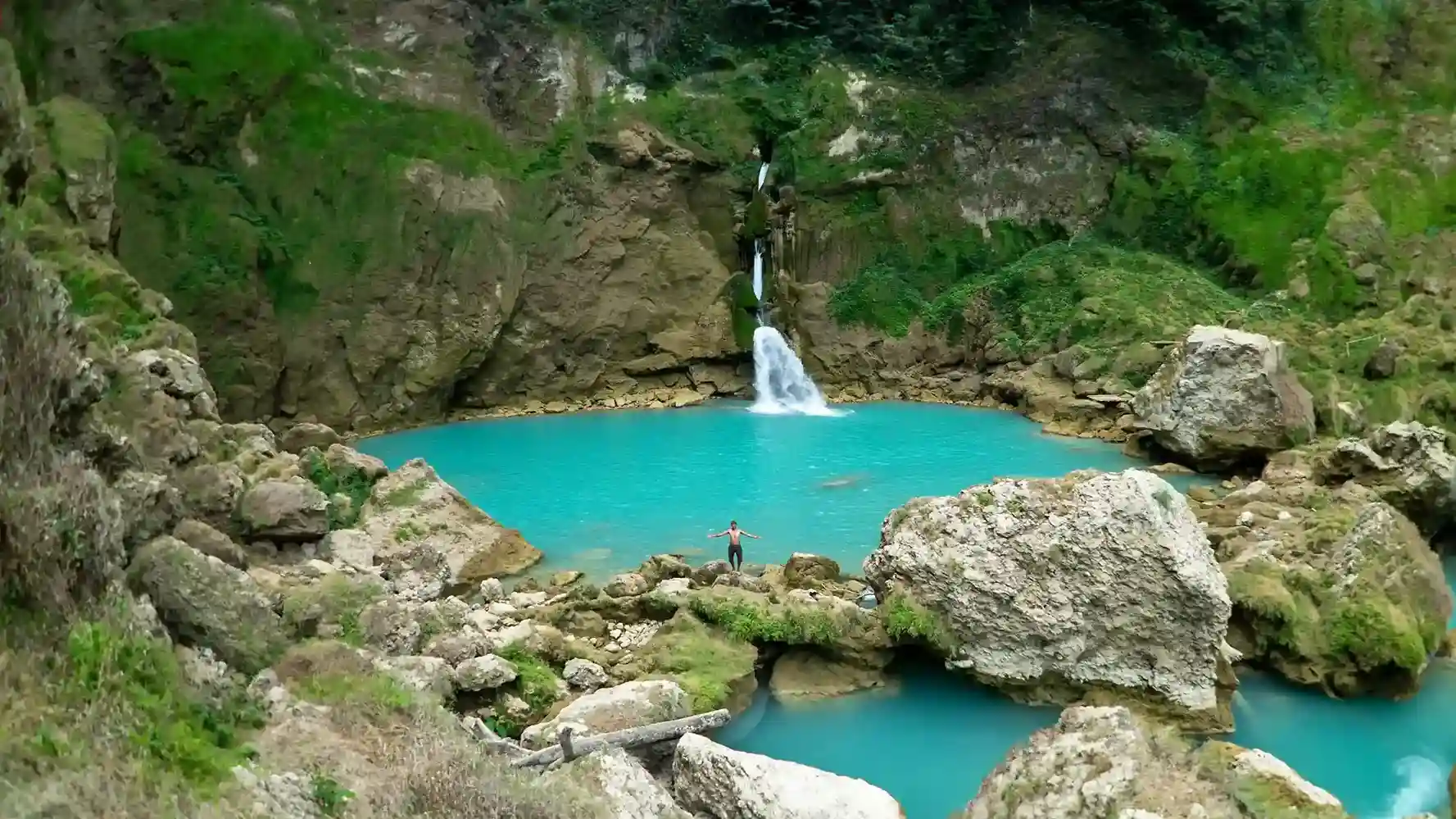
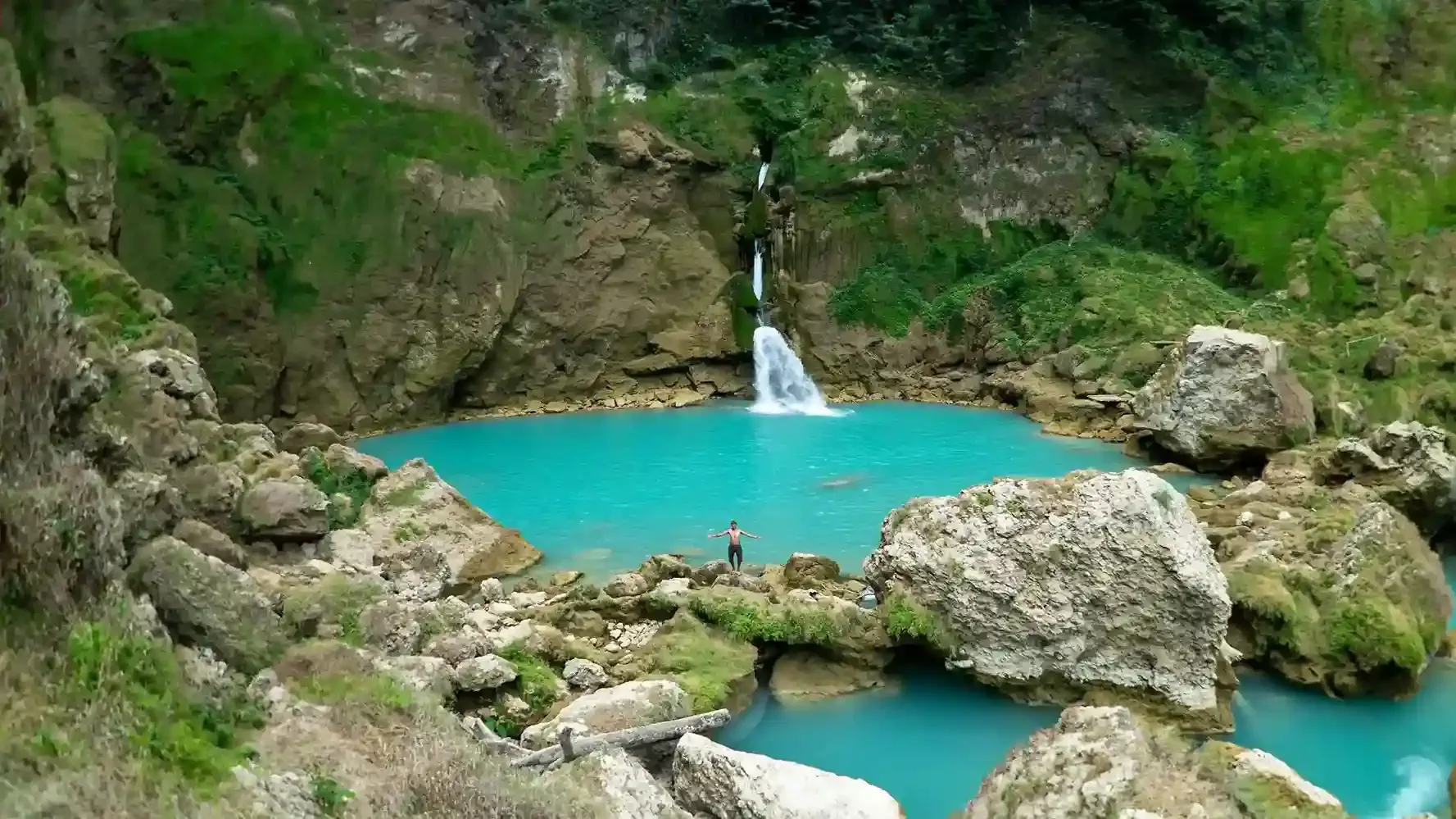
Sumba Island offers an array of lesser-known waterfalls that showcase the island’s natural beauty away from the usual tourist trails. These provide a unique opportunity to explore off-the-beaten-path Sumba, perfect for those seeking adventure and tranquillity.
Discovering Lesser-Known Waterfalls in Sumba
Sumba Island, known for its remarkable landscapes and rich cultural heritage, is home to several lesser-known waterfalls that remain largely untouched by mainstream tourism. These waterfalls offer an authentic experience for those looking to explore Sumba’s natural beauty beyond its more famous attractions. The island, located in the East Nusa Tenggara province of Indonesia, spans an area of approximately 11,153 square kilometres, providing ample space for hidden natural wonders.
Which Lesser-Known Waterfalls in Sumba Should Travelers Explore?
Travelers seeking to explore the lesser-known waterfalls in Sumba should consider visiting Matayangu Waterfall, Lapopu Waterfall, and Waikelo Sawah. These sites provide unique experiences and are perfect for adventurers looking to escape the crowds. Each waterfall presents its own set of challenges and rewards, making them appealing to a variety of explorers. The paths leading to these waterfalls are often less travelled, offering solitude and a chance to connect with nature.
Matayangu Waterfall: A in Sumba
Matayangu Waterfall, within the Manupeu Tanah Daru National Park, is a stunning cascade that flows into a serene pool surrounded by lush greenery. This waterfall is ideal for those who enjoy hiking, as the trail leading to the waterfall offers views of the surrounding landscapes. The waterfall itself drops from a height of approximately 75 metres, creating a misty spray that cools the air around it. The journey to Matayangu provides an opportunity to immerse oneself in the island’s diverse flora and fauna, including rare bird species and endemic plants.
To reach Matayangu, visitors typically start their trek from the village of Waikabubak, which is about an hour’s drive from the national park. The trail is about 2.5 kilometres long and can take two to three hours to complete, depending on weather conditions and individual fitness levels. Along the way, hikers can expect to encounter rugged terrain and steep inclines, so proper footwear and physical preparation are essential.
Lapopu Waterfall: An Off-the-Beaten-Path Adventure
Located within the same national park as Matayangu, Lapopu Waterfall is another spectacular site. This multi-tiered waterfall cascades down rocky cliffs, creating a series of natural pools perfect for swimming and relaxation. The waterfall stands at a height of approximately 90 metres, making it one of the tallest in Sumba. The trek to Lapopu Waterfall is an adventure in itself, taking visitors through dense forests and offering glimpses of local wildlife such as the Sumba hornbill and various butterfly species.
Reaching Lapopu involves a trek that starts at the village of Wanokaka, located about 30 kilometres from Waikabubak. The trail is relatively well-marked, but a local guide is recommended to enhance the experience and ensure safety along the way. The hike is roughly 3 kilometres long and can take around two hours, with several scenic spots along the path that are ideal for rest and photography.
Waikelo Sawah Waterfall: A Unique Hydro-Electric Feature
Waikelo Sawah Waterfall is unique due to its connection with a local hydro-electric power plant. The waterfall flows directly into a tunnel, which feeds into the power plant. This combination of natural beauty and human innovation makes it a fascinating site for visitors interested in both nature and technology. The waterfall itself is about 20 metres high, and the surrounding area features extensive rice terraces that are cultivated by local farmers.
Visitors can reach Waikelo Sawah by travelling to the village of Wewewa, located in the southwest part of Sumba. The journey typically involves a drive from Waikabubak, taking approximately two hours. The site is relatively easy to access, with a short walk from the village to the waterfall. The best time to visit is in the early morning or late afternoon when the light is ideal for photography and the area is less crowded.
Planning Your Visit to Sumba’s Waterfalls
- Best Time to Visit: The ideal time to explore Sumba’s waterfalls is during the dry season, from May to October, when the trails are more accessible and the weather is generally favourable for hiking and outdoor activities.
- Travel Tips: Wear comfortable hiking shoes, carry plenty of water, and don’t forget your camera to capture the stunning landscapes. It’s also advisable to bring insect repellent and a raincoat, as weather conditions can change rapidly in the region.
- Local Guidance: Consider hiring a local guide to enrich your experience with insights into the area’s history and ecology. Guides can also assist with trails and ensuring a safe journey through the often challenging terrain.
For more tips on planning your visit, check out our detailed guide on the Sumba Waterfall exploration process.
2027 Note: Sumba’s Ongoing Conservation Efforts
As of 2027, Sumba continues to focus on sustainable tourism and conservation efforts to protect its natural resources. Initiatives are in place to preserve the island’s unique ecosystems, ensuring that future generations can enjoy its beauty. These efforts include community-based conservation programmes, reforestation initiatives, and the promotion of eco-friendly tourism practices. Travelers are encouraged to respect the environment and follow local guidelines when visiting these natural sites, such as disposing of waste properly and staying on designated trails to minimise impact on the environment.
FAQ
How do I reach Matayangu Waterfall?
Matayangu Waterfall can be accessed via a hiking trail in the Manupeu Tanah Daru National Park. Hiring a local guide is recommended for a safe and informative journey, as they can provide valuable insights into the local ecology and assist with terrain.
Is it safe to swim in these waterfalls?
Swimming is generally safe in the pools at Matayangu and Lapopu waterfalls, but visitors should exercise caution and be aware of the current conditions. It’s important to check the depth of the pools and be mindful of slippery rocks around the edges.
What should I bring on a waterfall hike?
When hiking to Sumba’s waterfalls, bring sturdy footwear, water, snacks, sun protection, and a camera. A guidebook or map can also be helpful, along with a first-aid kit for any minor injuries that may occur along the trail.