Welcome to our curated guide on sumba waterfall — the definitive resource for premium options across Indonesia.
Sumba, an island spanning approximately 10,710–10,909.55 square kilometres in East Nusa Tenggara, Indonesia, offers a distinct landscape where water carves deep into ancient rock formations. The island’s geography presents a series of dramatic waterfalls, each requiring specific logistical considerations and cost allocations for exploration. Accessing these natural features, from the cascading tiers of Lapopu to the canyon-carved Tanggedu, involves navigating an infrastructure still developing, impacting both time and financial outlay for travellers and photographers.
Understanding Sumba Waterfall Costs: Core Components
Exploring Sumba’s waterfalls requires a clear understanding of the expenditure categories involved. These primarily include transportation, accommodation, guide services, and entrance fees. Transportation often represents the most significant variable cost, given the distances between key locations like Waingapu, Waikabubak, and the waterfalls themselves. For instance, Air Terjun Lapopu is located roughly 30 kilometres from Waikabukak, the capital of West Sumba Regency, necessitating either private hire or motorcycle rental. Tanggedu Waterfall, conversely, sits about 50 kilometres north-west of Waingapu, the capital city of East Sumba Regency. Fuel costs, particularly for longer journeys across the island, are a consistent factor. Accommodation ranges from budget guesthouses in towns like Waingapu and Waikabubak, priced from IDR 150,000 per night, to more mid-range options around IDR 400,000–700,000. Guide services, while not always mandatory, significantly enhance the experience and safety, especially for less accessible sites. Local guides for a day trip typically charge between IDR 200,000 and IDR 500,000, depending on the complexity of the trek and the duration. Entrance fees to the waterfalls themselves are generally low, often around IDR 10,000–20,000 per person, sometimes with an additional fee for vehicle parking. Seasonal variations, particularly during the peak dry season from May to October, can influence demand and slightly affect prices for accommodation and transport.
Transportation Tiers and Associated Costs
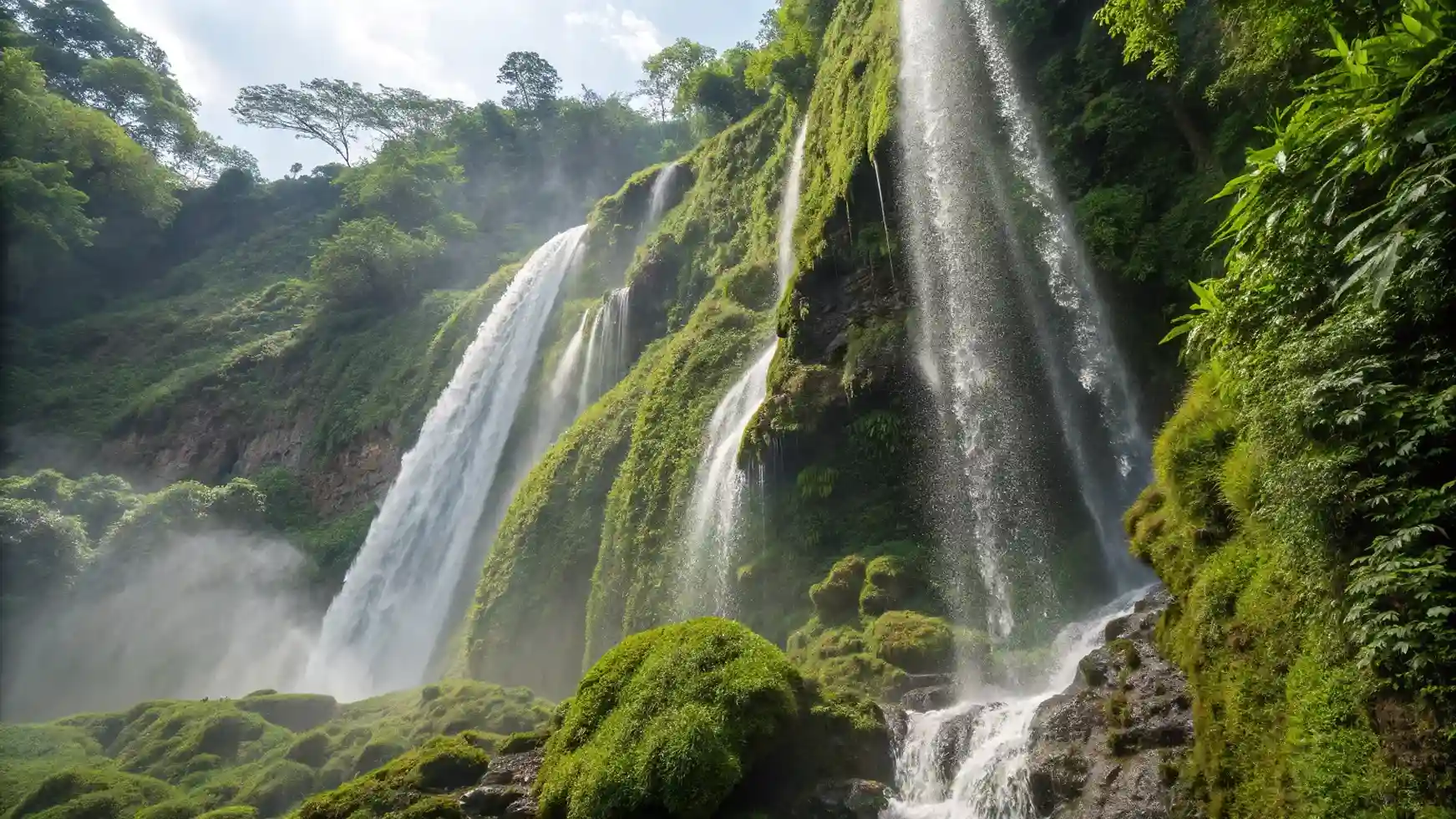
Transportation options on Sumba vary in cost and convenience. The most economical approach involves public transport, primarily shared minivans (bemos) or buses connecting major towns. A bemo ride from Waikabubak to a point near Lapopu Waterfall might cost IDR 20,000–30,000, though the final few kilometres often require a motorcycle taxi (ojek) for an additional IDR 20,000–50,000. For independent exploration, motorcycle rental is a popular choice, with daily rates ranging from IDR 75,000 to IDR 150,000, excluding fuel. A full tank of petrol for a scooter typically costs IDR 20,000–30,000. For groups or those prioritizing comfort, private car hire with a driver is available, averaging IDR 600,000–900,000 per day, inclusive of fuel and driver’s services. This option allows direct access to sites like Air Terjun Lapopu, which has an approximate height of 90 metres and lies within Manupeu Tanah Daru National Park. The coordinates of Air Terjun Lapopu are approximately 9.678861°S, 119.492889°E. For journeys spanning multiple days, negotiating a package rate with a private driver can reduce the overall daily cost. Consider also the cost of airport transfers from Umbu Mehang Kunda Airport (Waingapu) or Tambolaka Airport (Waikabubak), which can range from IDR 100,000 for shared transport to IDR 250,000 for a private car to nearby towns.
Guided Tours vs. Independent Exploration: Value and Expenditure
The choice between a guided tour and independent exploration significantly impacts the total cost of a Sumba waterfall itinerary. Packaged tours, offered by local and international operators, typically range from USD 100–300 per person per day for multi-day itineraries, encompassing accommodation, transport, meals, guide services, and entrance fees. These tours provide convenience and often access to local insights, but come at a premium. For example, a three-day tour covering Lapopu, Tanggedu, and Waimarang might cost USD 450–900 per person. Independent travel, while demanding more planning, offers greater flexibility and lower costs. A self-planned three-day trip could involve daily motorcycle rental (IDR 75,000–150,000), basic guesthouse accommodation (IDR 150,000–300,000), local meals (IDR 50,000–100,000 per day), and entrance fees (IDR 10,000–20,000 per waterfall). This independent approach might total IDR 700,000–1,500,000 (approximately USD 45–100) for three days, excluding flights to Sumba. The cost of a guide for specific waterfall treks, particularly for Tanggedu Waterfall which is situated about 50 kilometres north-west of Waingapu and involves a descent into a canyon, is an advisable expenditure, typically IDR 200,000–300,000.
Specific Waterfall Access Costs: Lapopu, Tanggedu, Waimarang, Weekacura
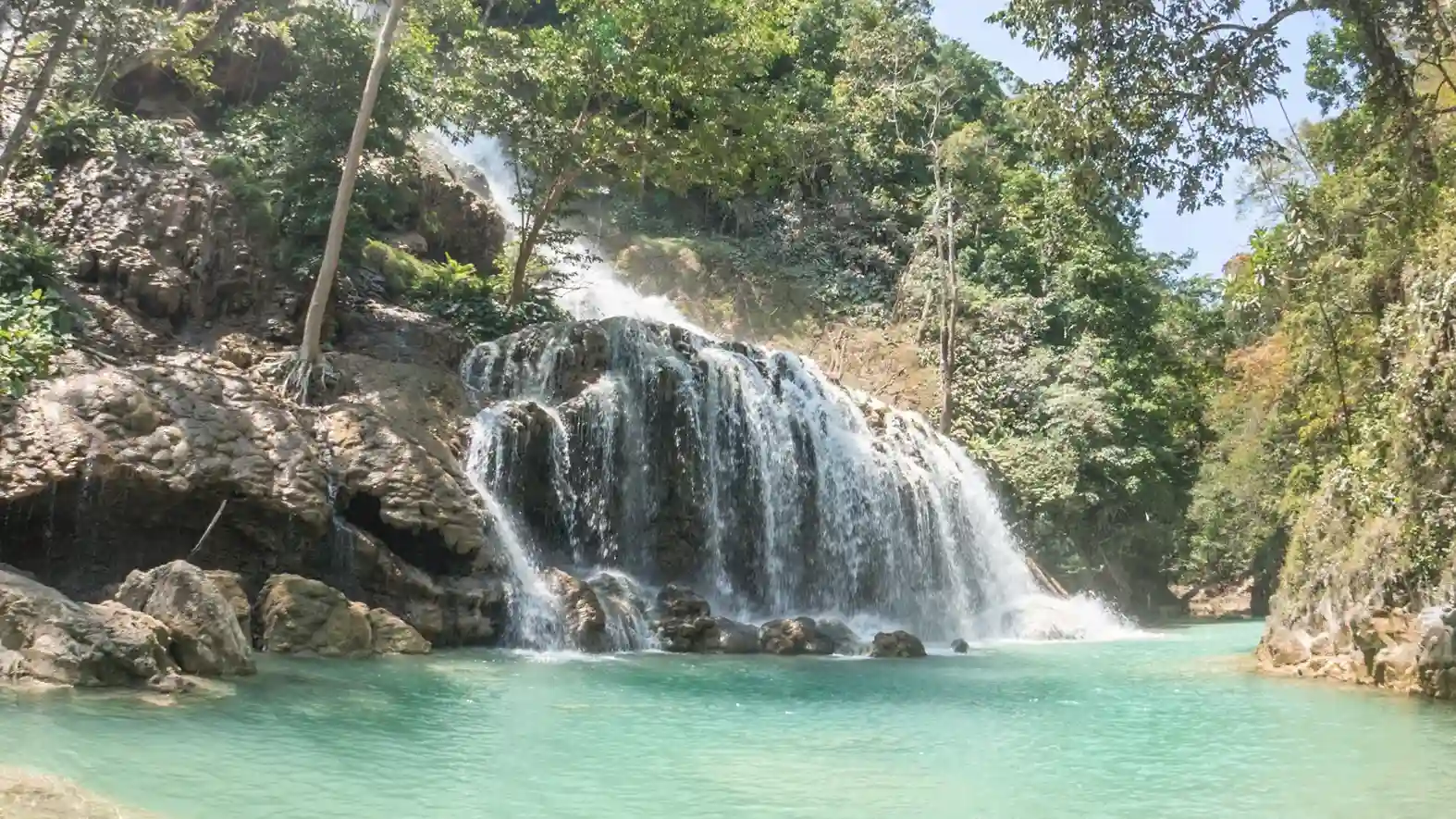
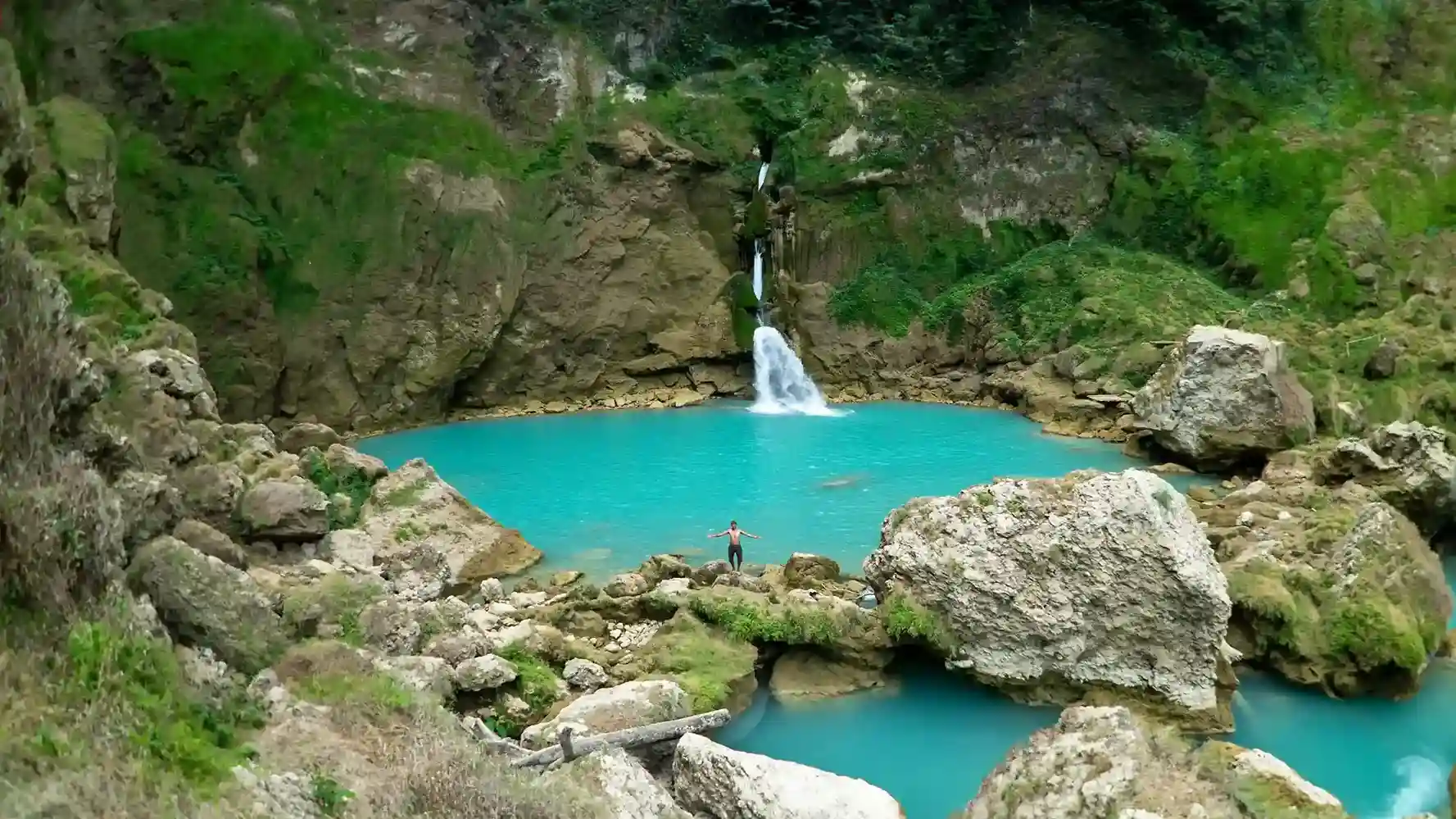
Each Sumba waterfall presents unique access challenges and associated costs. Air Terjun Lapopu, located within Manupeu Tanah Daru National Park, has an entrance fee of approximately IDR 10,000–20,000. Reaching it from Waikabubak, about 30 kilometres away, often involves a combination of public transport and an ojek, totaling IDR 40,000–80,000 one-way. The trek to the waterfall from the parking area is well-marked but can be slippery during the wet season (November to April). Air Terjun Tanggedu, north-west of Waingapu, generally requires a motorcycle or private car for the 50-kilometre journey. Fuel costs for a return trip by motorcycle are around IDR 30,000–50,000. A local guide is strongly recommended for Tanggedu due to the rugged terrain and river crossings; expect to pay IDR 200,000–300,000. The entrance fee is typically IDR 10,000. Air Terjun Waimarang, situated in East Sumba, is known for its natural pool. Access often involves a challenging drive, sometimes requiring a 4×4 vehicle, followed by a hike. A guide from a nearby village is almost essential for Waimarang, with fees similar to Tanggedu. Weekacura Lagoon (often referred to as a waterfall due to its spring-fed cascade) in Southwest Sumba involves a simpler access, typically a short drive from Tambolaka followed by a brief walk. Entrance fees are usually IDR 10,000–15,000. The remote nature of some of these sites means that food and drink options are limited, making it prudent to carry supplies, adding a small, incidental cost. For more on Sumba’s geography, refer to Sumba Island on Wikipedia and Pulau Sumba on Wikipedia (Indonesian).
Seasonal Cost Factors and Budgeting Tips
Sumba experiences two primary seasons: the dry season (May to October) and the wet season (November to April). During the dry season, tourist numbers are higher, which can lead to slight increases in accommodation prices, particularly in popular areas. However, transportation costs generally remain stable. Waterfall flows are typically less powerful during the dry season, but access paths are clearer and less muddy, reducing the need for specialized equipment or extensive guide services. The wet season brings lush greenery and powerful waterfall flows, offering different photographic opportunities. However, roads can become challenging, potentially increasing transport costs if 4×4 vehicles are required for remote access. Trekking paths can also be more arduous, making a guide more crucial. Budgeting effectively involves several strategies. Booking accommodation in advance, especially during the dry season, can secure better rates. Utilizing local eateries (warungs) for meals significantly reduces food costs, with a meal often costing IDR 20,000–40,000. For information on specific regencies, consult resources like Southwest Sumba Regency on Wikipedia. Carrying sufficient cash is also important, as ATMs are limited outside of Waingapu and Waikabubak. An emergency fund, approximately 10-15% of the total budget, is advisable for unforeseen circumstances such as vehicle breakdowns or minor medical needs. For details on Air Terjun Lapopu, specifically, see Air Terjun Lapopu on Wikipedia (Indonesian).