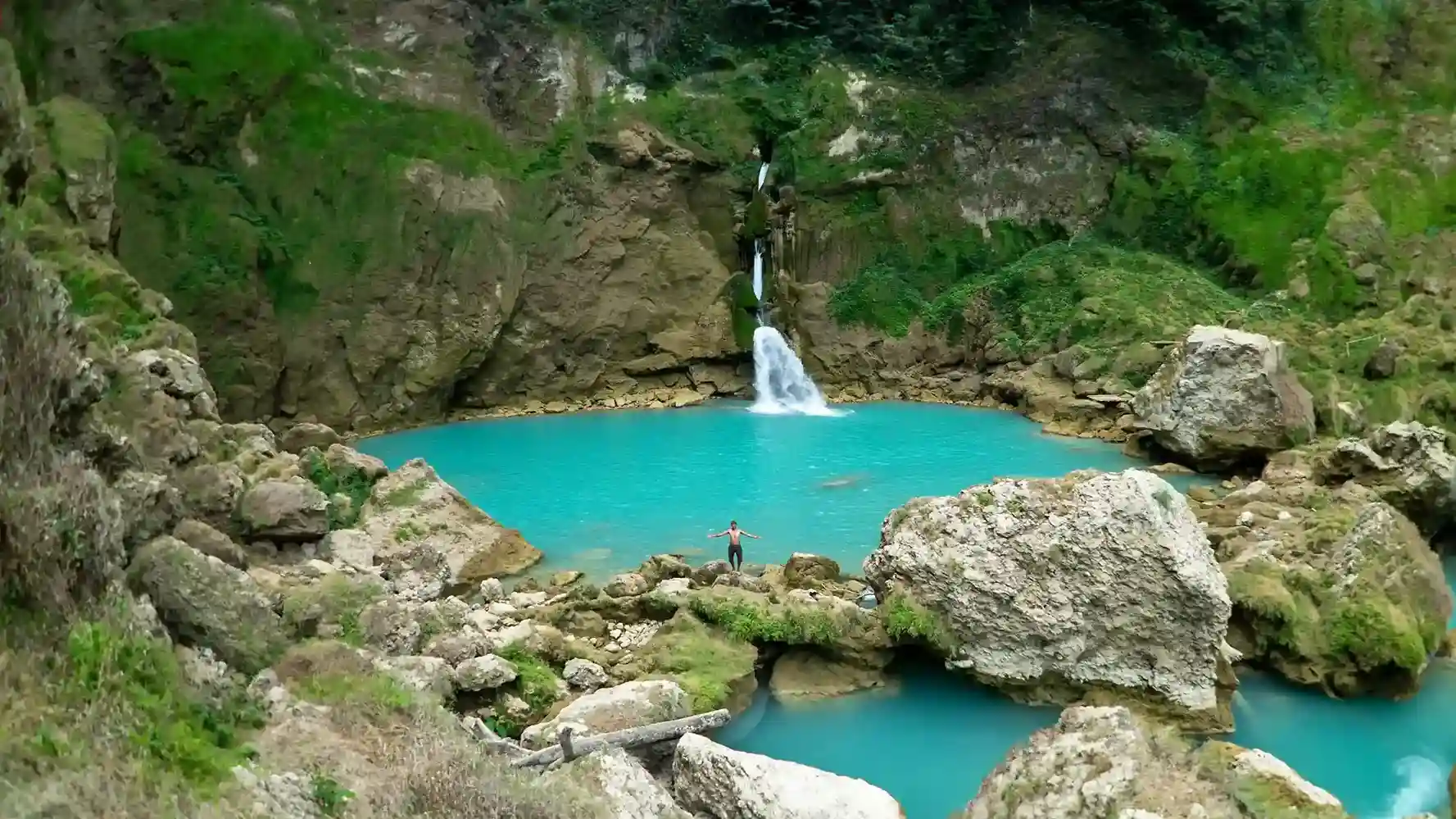
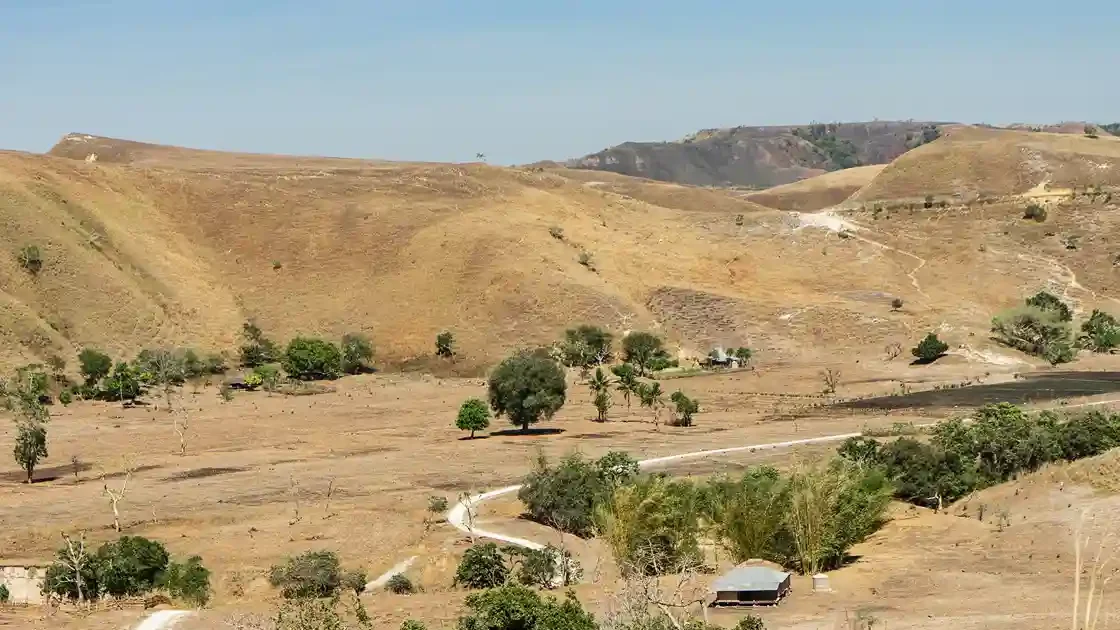
Sumba’s waterfalls present a compelling draw for travellers and photographers seeking natural grandeur. Reaching these natural spectacles demands a clear understanding of the island’s geography and available transportation options. Effective planning ensures a smoother journey to these significant natural landmarks.
Gateway Airports and Initial Transit
The journey to Sumba’s waterfalls typically commences with air travel to one of the island’s two primary airports. Umbu Mehang Kunda Airport (WGP) serves Waingapu, the capital of East Sumba Regency, while Tambolaka Airport (TMC) services Southwest Sumba Regency and provides access to West Sumba. Direct flights from major Indonesian cities like Bali (Denpasar) and Kupang are available. Upon arrival, travellers face the immediate decision of ground transportation. Options include pre-arranged car rentals, often with a driver, or the more independent choice of a motorcycle rental. Public transportation, while available, can be infrequent and less direct for waterfall access. Sumba Island, situated in East Nusa Tenggara, Indonesia, necessitates this initial logistical consideration due to its considerable size. The island’s area, ranging from 10,710 to 10,909.55 square kilometres, dictates the need for efficient onward travel from the airport. Coordinating airport transfers with local guides or tour operators can streamline the initial phase of the journey, especially for those unfamiliar with the local infrastructure.
Navigating to Lapopu Waterfall
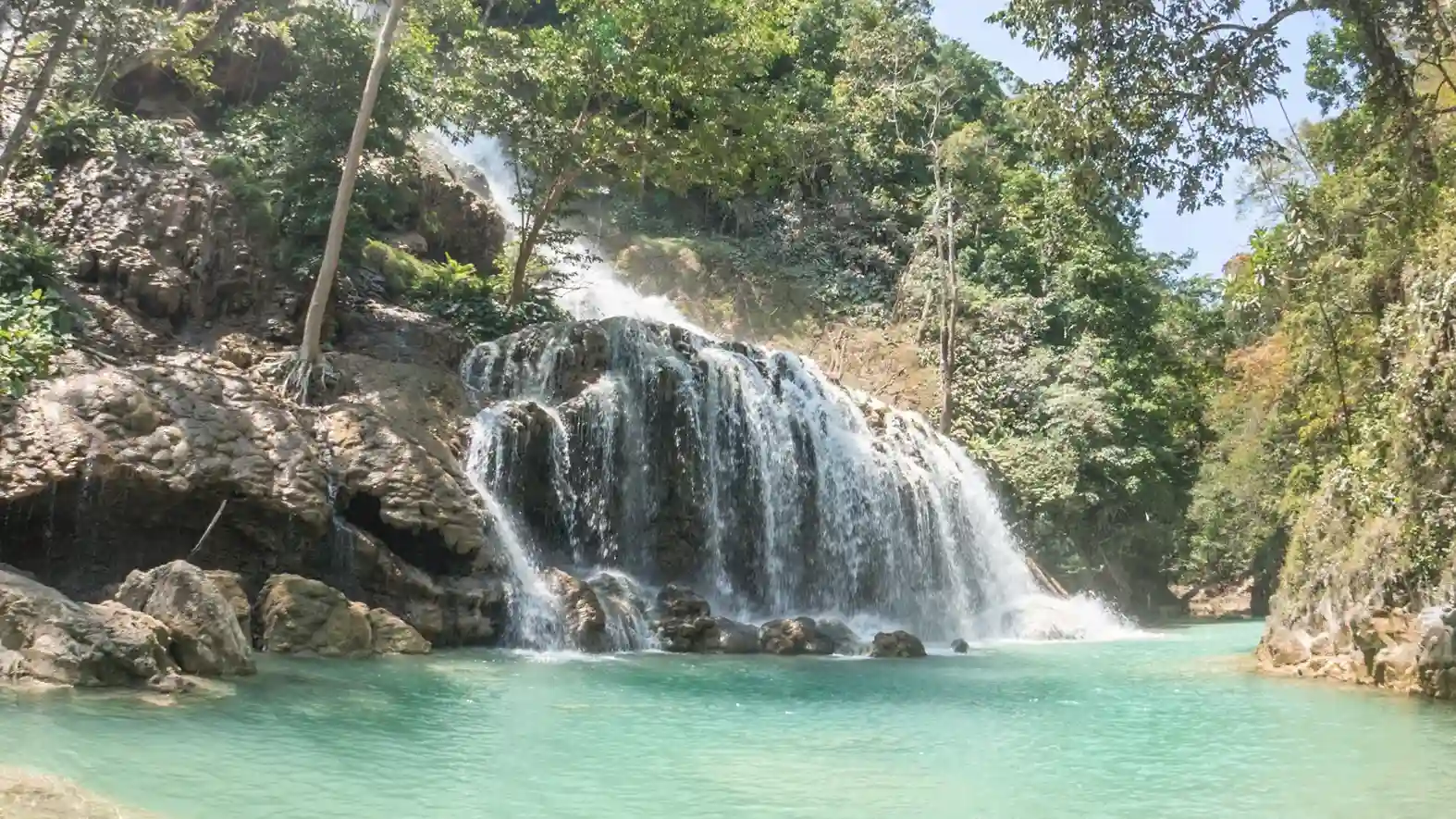
Air Terjun Lapopu, a prominent Sumba waterfall, stands approximately 90 metres in height and is situated within Manupeu Tanah Daru National Park in West Sumba Regency. Its coordinates are approximately 9.678861°S, 119.492889°E. To reach Lapopu, travellers typically depart from Waikabubak, the capital of West Sumba Regency, which lies roughly 30 kilometres away. The road from Waikabubak is generally paved, though sections may present varying conditions, especially after heavy rains. Renting a car with a local driver is a common and recommended method, as drivers are familiar with the route and local nuances. Alternatively, motorcycles offer flexibility for experienced riders. Upon nearing the national park, a designated parking area is available, followed by a moderate trek to the waterfall itself. This trek involves crossing a river and navigating uneven terrain, often requiring comfortable footwear and a degree of physical preparedness. The national park entrance typically levies a fee, and local guides are often available and can enhance the experience by providing insight into the area’s ecology and culture.
Accessing Tanggedu Waterfall
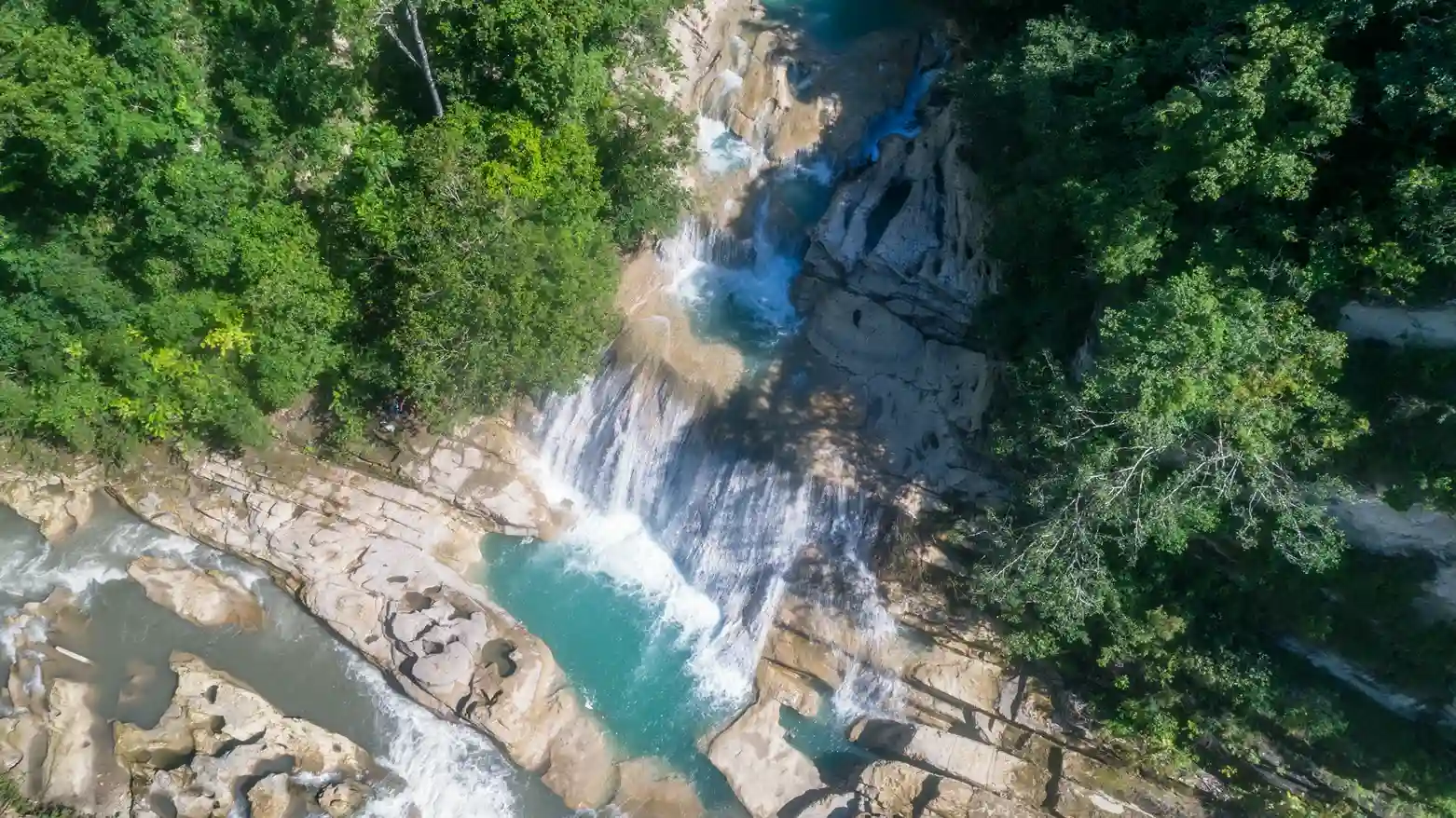
Tanggedu Waterfall presents a different set of access challenges compared to Lapopu. It is located approximately 50 kilometres north-west of Waingapu, the capital city of East Sumba Regency. The journey from Waingapu to Tanggedu involves a significant portion of unpaved and often rough roads, particularly in the latter stages. Four-wheel-drive vehicles are highly recommended, especially during the rainy season (November to April), when road conditions can deteriorate significantly. Motorcycle travel is feasible but demands considerable riding skill and caution due to the rugged terrain. Local drivers familiar with the route are invaluable for this particular destination. There is no direct public transport to Tanggedu. Upon reaching the vicinity, a short hike through local villages and agricultural land is required to reach the waterfall. Engaging a local guide from a nearby village is not only beneficial for navigation but also supports the local economy. The remoteness of Tanggedu contributes to its appeal, but also necessitates thorough preparation regarding vehicle choice, supplies, and guide arrangements.
The Journey to Waimarang Waterfall
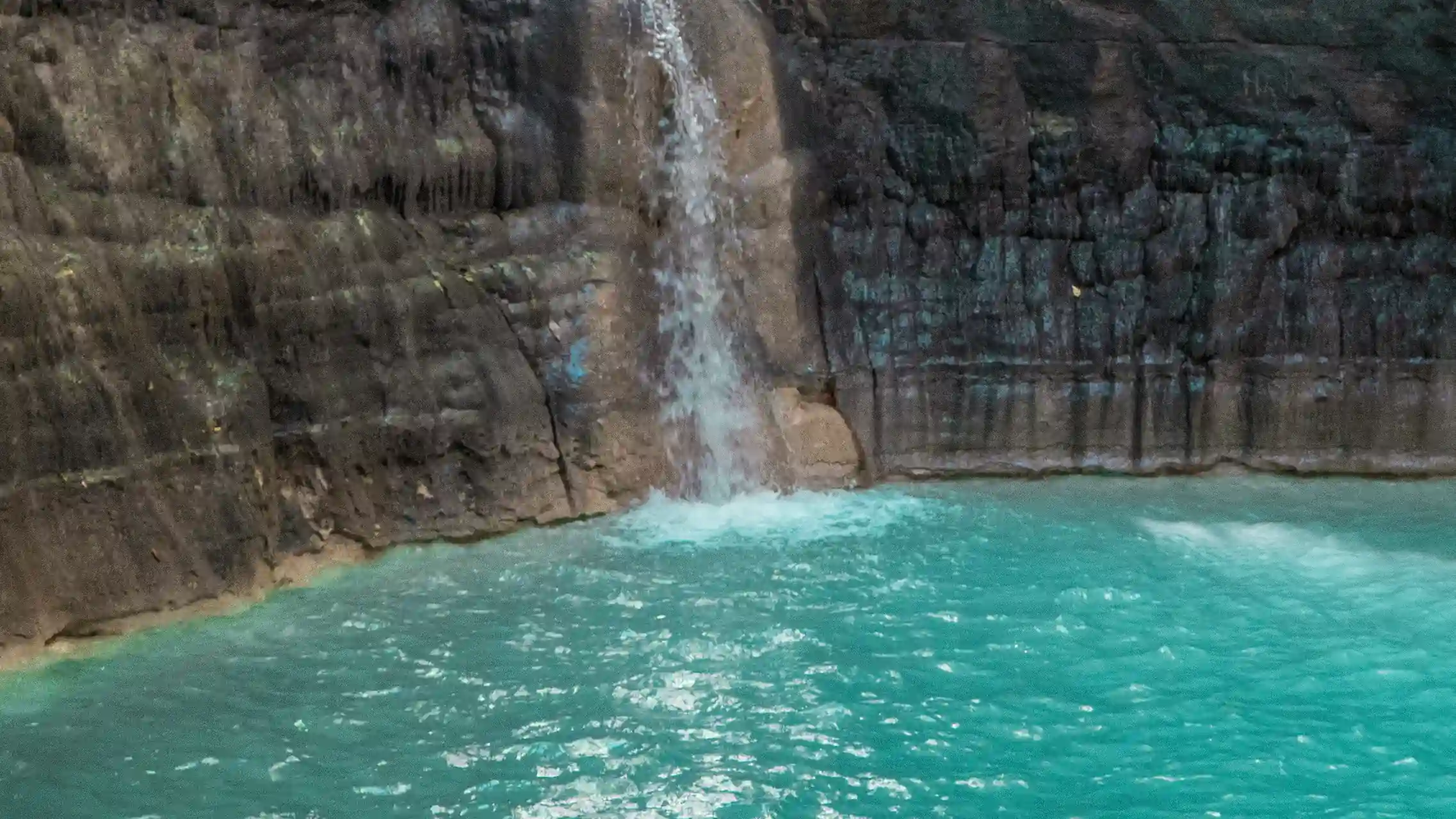
Waimarang Waterfall, while captivating, is often considered the most challenging of the three major Sumba waterfalls to access, primarily due to its remote location and the demanding final approach. Situated in East Sumba, its exact distance from Waingapu is less precisely defined than Tanggedu, but it involves a significant drive followed by a substantial and often strenuous trek. The initial drive from Waingapu follows similar routes to Tanggedu, involving paved and unpaved sections. However, the trek to Waimarang is notably longer and more arduous, descending into a canyon. This descent often involves navigating slippery rocks and steep inclines, particularly after rain. Proper hiking shoes with good grip are essential, and a reasonable level of fitness is required. Local guides are not just recommended but are often considered mandatory for Waimarang, as they possess the knowledge of the safest routes and can assist with difficult sections. The reward for this effort is a unique multi-tiered waterfall within a secluded environment, but visitors must prioritize safety and preparation for this specific journey.
Essential Logistics and Considerations for Sumba Waterfall Visits
Regardless of which Sumba waterfall you aim to visit, several logistical elements remain constant. Mobile phone signal can be intermittent or nonexistent in many remote areas, necessitating offline maps and communication plans. Carrying sufficient cash is advisable, as ATMs are scarce outside of major towns like Waikabubak and Waingapu. Potable water, snacks, and basic first-aid supplies are crucial for any day trip, especially given the varying trek lengths and remote locations. Respecting local customs and traditions is paramount; Sumba is known for its strong cultural heritage. Engaging with local communities, particularly by hiring guides or purchasing local goods, supports sustainable tourism. Understanding the local climate is also key; the dry season (May to October) generally offers better road conditions and clearer skies, while the rainy season can make some routes impassable. Pulau Sumba‘s diverse landscape means conditions can change rapidly. Information regarding specific Air Terjun Lapopu access points or other waterfall entrances should always be verified with local sources or reputable tour operators close to the time of travel.
Permits, Guides, and Local Interaction
For destinations like Air Terjun Lapopu within Manupeu Tanah Daru National Park, official permits or entrance fees are typically required. These fees contribute to the park’s maintenance and conservation efforts. While not always mandatory for every waterfall, hiring a local guide is strongly recommended for Tanggedu and Waimarang, and beneficial for Lapopu. Guides possess intimate knowledge of the terrain, potential hazards, and the most efficient routes. They also serve as cultural intermediaries, facilitating respectful interaction with local communities. This is particularly important in areas where the path to the waterfall traverses private land or village territories. Engaging a guide not only enhances safety and navigation but also provides direct economic benefit to the local population, fostering a positive relationship between visitors and residents. Always confirm guide fees and services beforehand. Understanding the local language, Bahasa Indonesia, even basic phrases, can also significantly improve interactions. Awareness of local customs, such as asking for permission before photographing individuals, demonstrates respect for the island’s vibrant culture, which is especially rich in regions like Southwest Sumba Regency.