About the Editor — Finn Sato


Finn Sato, Nature & Destination Editor

Finn Sato

Nature & Destination Editor — Sumba Waterfall

Finn Sato is the dedicated Nature & Destination Editor at Sumba Waterfall, an independent editorial guide committed to providing comprehensive and accurate information for travelers and photographers exploring Sumba’s captivating waterfalls. Finn’s editorial focus encompasses the island’s most renowned natural wonders, including Air Terjun Lapopu, Air Terjun Wai Marang, and Air Terjun Tanggedu, alongside broader insights into Sumba Island, East Nusa Tenggara. Their work delves into practical aspects like Sumba waterfall trekking routes, while also highlighting the vital areas of Sumba eco-tourism and nature photography.

At the heart of Finn’s editorial approach is a commitment to honest and thoroughly researched content. The Sumba Waterfall guide prides itself on its rigorous research methodology, primarily relying on first-hand experiences and extensive engagement with local operators and communities. This direct approach ensures that the information presented is grounded in reality and reflects the current conditions and nuances of visiting these natural sites. Every piece of content undergoes meticulous fact-checking, verifying details on accessibility, required permits, best visiting times, and safety considerations.

Readers engaging with Sumba Waterfall, under Finn’s editorial guidance, can expect a reliable and practical resource designed to enhance their journey. The guide aims to equip visitors with the knowledge needed to plan their trips effectively, navigate the trekking routes safely, and capture the striking beauty of Lapopu, Tanggedu, and Waimarang through the lens. Finn’s editorial vision is to offer an authentic perspective, empowering travelers and photographers with the insights necessary for a respectful, enjoyable, and memorable exploration of Sumba’s magnificent waterfalls.

Editorial focus: Air Terjun Lapopu, Air Terjun Wai Marang, Air Terjun Tanggedu, Sumba Island East Nusa Tenggara, Sumba waterfall trekking routes, Sumba eco-tourism and nature photography.

Contact the editorial desk or read our editorial standards.

The lure of Sumba’s untamed waters

The mist from a distant cascade, carried on the warm Sumba breeze, is not just a sensation; it’s a silent invitation, a whisper of the island’s untamed heart that Finn Sato has spent years meticulously deciphering. Finn’s journey into the soul of Sumba began with a profound curiosity for landscapes yet to be fully charted by the global luxury traveler. Unlike its more celebrated Indonesian counterparts, Sumba, an island roughly 11,150 square kilometers, remains a captivating enigma, a rugged mix of rolling savannas, dramatic limestone cliffs, and ancient cultural traditions. It was this raw, unpolished beauty, particularly the island’s spectacular network of hidden waterfalls, that first captivated Finn and ignited a dedication to sharing its wonders responsibly.

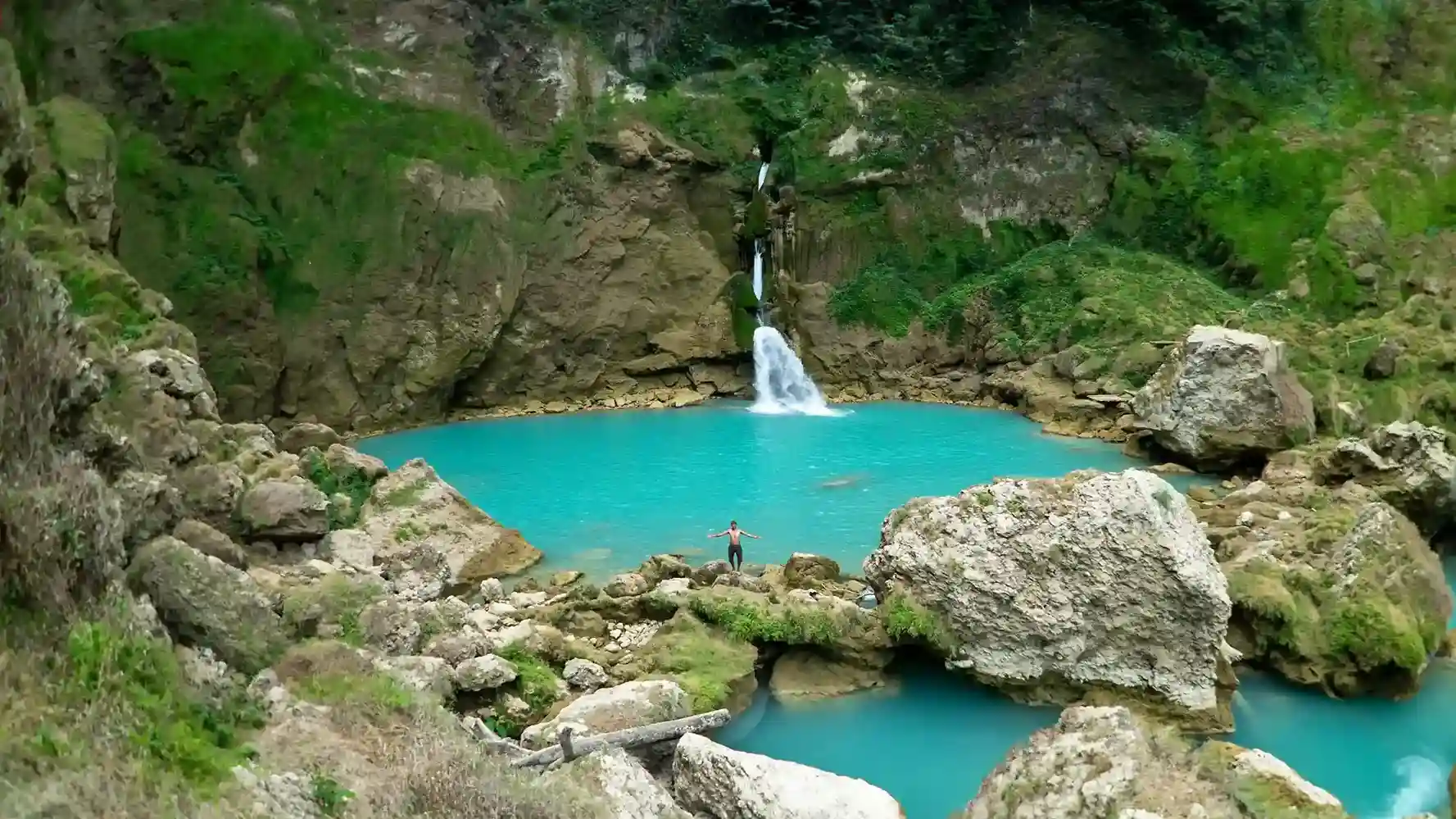
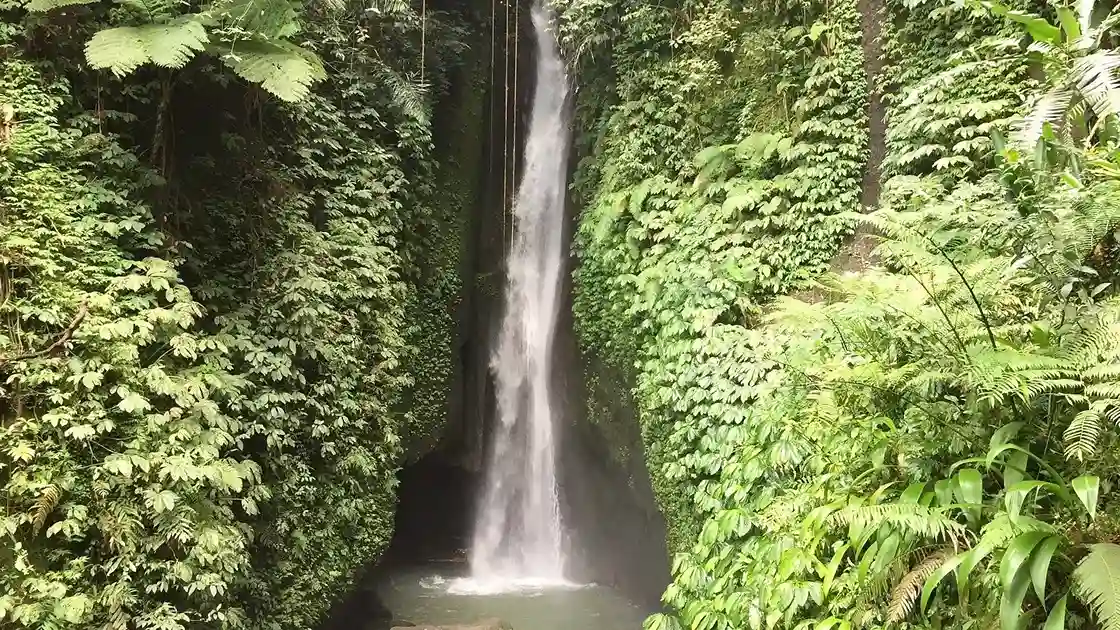
Finn’s exploration extends far beyond the well-trodden paths, delving into the geological marvels that give rise to each unique Sumba waterfall. From the multi-tiered grandeur of Lapopu, cascading over 90 meters into a serene pool, to the secluded charm of Wai Marang, where freshwater plunges directly into the turquoise ocean, the island offers a spectrum of over a dozen significant cascades, each with its own character and challenge. Documenting these natural wonders requires not just a keen eye for photography but also an intrepid spirit, often involving treks through dense jungle and across rocky riverbeds. This hands-on approach ensures that every piece of content Finn curates is imbued with authentic, first-hand experience, providing travelers with insights that transcend typical guidebooks.

What truly distinguishes Sumba’s waterfalls, and Finn’s editorial approach, is the seamless integration of natural beauty with the island’s vibrant cultural heritage. The water, a lifeblood in many societies, holds particular spiritual significance for the Sumbanese people, whose ancient Marapu beliefs are deeply interwoven with the land and its resources. Finn’s work often highlights the respectful interaction of local communities with these sacred sites, offering a deeper understanding of the island beyond its visual splendor. This commitment to cultural immersion and environmental stewardship is paramount, guiding Finn’s mission to present Sumba not merely as a destination, but as a living, breathing ecosystem deserving of profound respect and careful exploration by discerning visitors.

Crafting the connoisseur’s guide to Sumba waterfalls

Finn Sato’s editorial philosophy at Sumba Waterfall is rooted in the belief that true luxury lies in authenticity, meticulous detail, and unparalleled insight. The platform isn’t just a directory of locations; it’s a curated compendium designed for the sophisticated traveler who seeks depth and discovery. Every article, every photographic essay, and every piece of practical advice is developed with an unwavering commitment to accuracy and a profound understanding of the nuanced demands of high-end eco-tourism. Finn understands that for the Condé Nast Traveler audience, it’s not enough to simply list a waterfall; it’s essential to convey its essence, the journey to reach it, and the unique experience it offers, ensuring that expectations are met with sublime reality.

The process behind crafting this comprehensive guide involves extensive, on-the-ground research. Finn personally undertakes the often-challenging journeys to each Sumba waterfall, meticulously documenting trekking routes, assessing seasonal variations in water flow and accessibility, and verifying safety protocols. This includes collaborating closely with local guides, who provide invaluable insights into the terrain, the best times to visit for optimal light for photography, and the subtle shifts in the environment. For instance, many of the most rewarding trekking routes, like the one leading to Tanggedu, involve a hike of 30-45 minutes through lush landscapes, a detail Finn considers vital for travelers planning their itinerary. This rigorous due diligence ensures that the information provided is not only inspiring but also eminently practical, enabling a seamless and enriching adventure for every visitor.

Beyond the logistical details, Finn’s work is an art of storytelling, transforming the physical journey into an evocative narrative. Each waterfall is presented not as a static landmark but as a dynamic, living entity, its character shaped by the surrounding ecosystem, the quality of light, and the sounds of the jungle. The editorial content often delves into the unique flora and fauna encountered en route, painting a holistic picture of the natural world that embraces each cascade. For example, the vibrant biodiversity around Air Terjun Wai Marang, with its unique coastal ecosystem, offers a stark contrast to the inland rainforests surrounding Air Terjun Lapopu. This dedication to capturing and conveying the multi-sensory experience ensures that visitors arrive not just with directions, but with a profound appreciation for the natural spectacle awaiting them.

Advocating for Sumba’s pristine future

Finn Sato’s role as Nature & Destination Editor extends far beyond mere documentation; it embodies a powerful advocacy for the sustainable future of Sumba. The beauty of Sumba’s waterfalls, while striking, is also delicate, susceptible to the pressures of increasing tourism. Finn believes that responsible storytelling is the most effective tool for preservation, inspiring visitors to become stewards of this extraordinary island. By highlighting the importance of eco-friendly practices and encouraging mindful engagement with both the environment and local communities, Finn’s work aims to strike a crucial balance: promoting Sumba as a world-class luxury destination while safeguarding its pristine natural and cultural heritage for generations to come.

A cornerstone of this advocacy is Finn’s deep engagement with local Sumbanese communities. Understanding that sustainable tourism must benefit the people who call Sumba home, Finn collaborates with local guides, small businesses, and community leaders to ensure that the economic advantages of tourism are distributed equitably. This often involves working to promote locally-owned accommodations, encouraging the hiring of local guides, and advocating for fair wages, thereby empowering residents to become active participants in and beneficiaries of the island’s burgeoning tourism industry. The increasing global interest in Sumba, reflected in a notable rise in luxury eco-resorts over the past five years, underscores the urgency of sustainable practices at each Sumba waterfall site, making Finn’s community-focused approach more critical than ever.

Ultimately, Finn Sato envisions Sumba as a beacon of sustainable luxury travel, a destination where the pursuit of unparalleled natural beauty goes hand-in-hand with profound respect for the environment and its people. Through meticulous research, evocative photography, and compelling narratives, Finn’s work for Sumba Waterfall serves as an indispensable guide for travelers who seek not just a vacation, but a transformative experience. It’s a call to explore with consciousness, to discover with reverence, and to leave only footprints, ensuring that the majestic roar of a Sumba waterfall continues to echo across the island’s timeless landscapes for all who follow.

WhatsApp us 💬