Sumba Island, an expanse of approximately 10,710–10,909.55 square kilometres, offers compelling waterfall experiences. Understanding the financial implications for these natural attractions is critical for any traveller or photographer. This analysis provides a structured approach to budgeting for Sumba’s iconic cascades.
Transportation: Understanding the Island
Travel across Sumba Island presents specific logistical and financial considerations. The island’s geography, part of East Nusa Tenggara, dictates the need for reliable transport. For instance, Air Terjun Lapopu, located roughly 30 kilometres from Waikabubak, the capital of West Sumba Regency, necessitates local transport arrangements. Options typically include rented motorcycles, private cars with drivers, or organized tours. A motorcycle rental offers flexibility but requires familiarity with local road conditions. Daily rental rates vary but generally start from IDR 100,000 to IDR 150,000, excluding fuel. A private car with a driver provides comfort and local expertise, with daily rates ranging from IDR 600,000 to IDR 1,000,000, often inclusive of fuel for a set number of hours or kilometers. This option is particularly advantageous for groups or those carrying significant camera equipment. Tanggedu Waterfall, situated about 50 kilometres north-west of Waingapu, the capital city of East Sumba Regency, presents a similar transport challenge, often requiring a full day’s excursion. Planning routes and estimating fuel costs are essential components of the overall budget. The island’s size means that journeys between key locations can be considerable, impacting both time and expenditure.
Accommodation: Lodging Near the Waterfalls
Accommodation choices on Sumba vary significantly by location and desired comfort level. Proximity to major towns like Waikabubak or Waingapu generally offers more options, from budget guesthouses to mid-range hotels. For those visiting Air Terjun Lapopu, lodging in Waikabubak is a practical choice. Basic guesthouses might cost IDR 200,000 to IDR 350,000 per night, while mid-range hotels typically range from IDR 400,000 to IDR 800,000. These prices fluctuate based on season and availability. For Tanggedu Waterfall, staying in Waingapu offers the most diverse selection of lodging. Remote areas near some waterfalls may have limited or no formal accommodation, requiring a return trip to a major town. Consider the trade-off between convenience and cost when selecting your base. Booking in advance, especially during peak travel seasons, is advisable to secure preferred rates and availability. The coordinates of Air Terjun Lapopu, approximately 9.678861°S, 119.492889°E, highlight its somewhat secluded position, reinforcing the need for strategic accommodation planning.
Entrance Fees and Guide Services
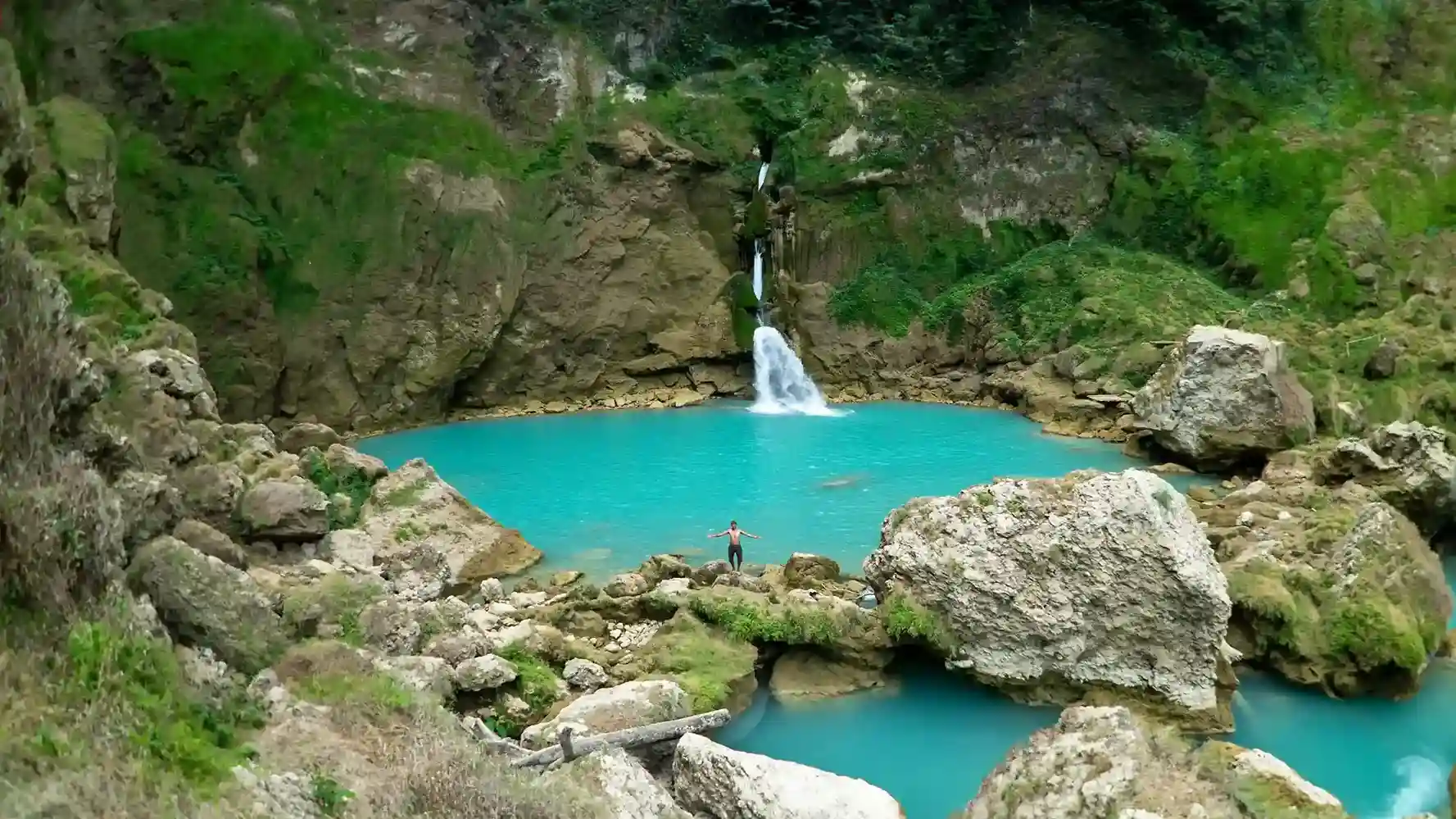
Accessing Sumba’s waterfalls often involves entrance fees and, in some cases, mandatory or highly recommended local guides. Air Terjun Lapopu lies within Manupeu Tanah Daru National Park in West Sumba Regency, meaning park entrance fees apply. These fees typically range from IDR 10,000 to IDR 20,000 for local visitors and IDR 50,000 to IDR 150,000 for foreign tourists. These charges contribute to park maintenance and conservation efforts. For waterfalls requiring a trek or those in less accessible areas, hiring a local guide is often recommended for safety and to support local communities. Guide fees can vary widely, from IDR 100,000 to IDR 300,000 per group, depending on the duration and complexity of the hike. Guides offer insights into the local flora, fauna, and cultural practices, enhancing the experience beyond mere navigation. Always clarify whether guide services are mandatory or optional and agree on the fee beforehand to avoid misunderstandings. The approximate height of Air Terjun Lapopu, 90 metres, suggests a significant natural feature that benefits from guided access.
Food and Drink: Sustenance on the Journey
Budgeting for food and drink is a daily necessity that varies based on dietary preferences and dining choices. In Sumba’s major towns, local eateries (warungs) offer affordable meals, with a plate of nasi campur or mie goreng typically costing IDR 20,000 to IDR 40,000. Restaurants catering to tourists may have higher prices, ranging from IDR 50,000 to IDR 150,000 per meal. When visiting remote waterfalls like Tanggedu or Waimarang, it is prudent to pack snacks and sufficient water, as dining options near the sites are often non-existent. Bottled water is readily available, but consider bringing a reusable water bottle and purification tablets to reduce plastic waste and costs. For full-day excursions, packing a packed lunch from your accommodation can be a cost-effective and convenient solution. Factor in refreshment stops during long drives between locations. Sumba Island’s area of about 10,710–10,909.55 square kilometres means distances can be significant, making planned hydration and nutrition crucial.
Miscellaneous Costs and Contingency
Beyond the primary categories, miscellaneous costs and a contingency fund are vital for a comprehensive budget. These can include small purchases, gratuities, emergency medical supplies, or unexpected expenses like minor vehicle repairs if renting a self-drive option. Connectivity can also be a factor; purchasing a local SIM card for data and communication is generally affordable, around IDR 50,000 to IDR 100,000 for a data package. Consider any photography-specific needs, such as extra batteries, memory cards, or protective gear, as these are often more expensive to acquire locally. A contingency fund, typically 10-15% of the total estimated budget, provides a buffer for unforeseen circumstances. This financial safety net ensures that minor setbacks do not derail your travel plans. For example, a sudden change in weather might necessitate an extra night’s stay or an alternative transport arrangement. Understanding the geographical context of Sumba, an island in East Nusa Tenggara, underscores the importance of being prepared for logistical variations.
Sumba Island is a large landmass with diverse terrain. For detailed information on its administrative divisions, consider resources like Pulau Sumba. Specific regencies, such as Southwest Sumba Regency, play a direct role in managing sites like Air Terjun Lapopu. Effective budgeting is the foundation for a well-executed journey to these remarkable locations.
Guided tours and local expertise
The whisper of ancient stories carried on the tropical breeze, the scent of damp earth after a morning shower – these are the intangible luxuries that a local guide accesss. For a truly immersive and safe exploration of Sumba’s hidden cascades, engaging a knowledgeable local guide is paramount. They not only navigate challenging terrains and hidden paths but also offer invaluable cultural insights, connecting visitors to the island’s unique heritage and the communities living near these natural wonders. Opting for a private, English-speaking guide elevates the experience, ensuring bespoke itineraries tailored to your pace and preferences.
Budgeting for this personalized service reflects its value. Daily rates for a professional private guide in Sumba typically range from IDR 500,000 to IDR 1,000,000, depending on their experience, language proficiency, and whether they provide their own transportation or act purely as a navigator. These costs often cover their time, expertise, and sometimes a basic meal, but it’s crucial to clarify inclusions upfront. For waterfalls like Waimarang, with its steep descent and remote location, a guide is not merely recommended but often essential for safety and optimal enjoyment.
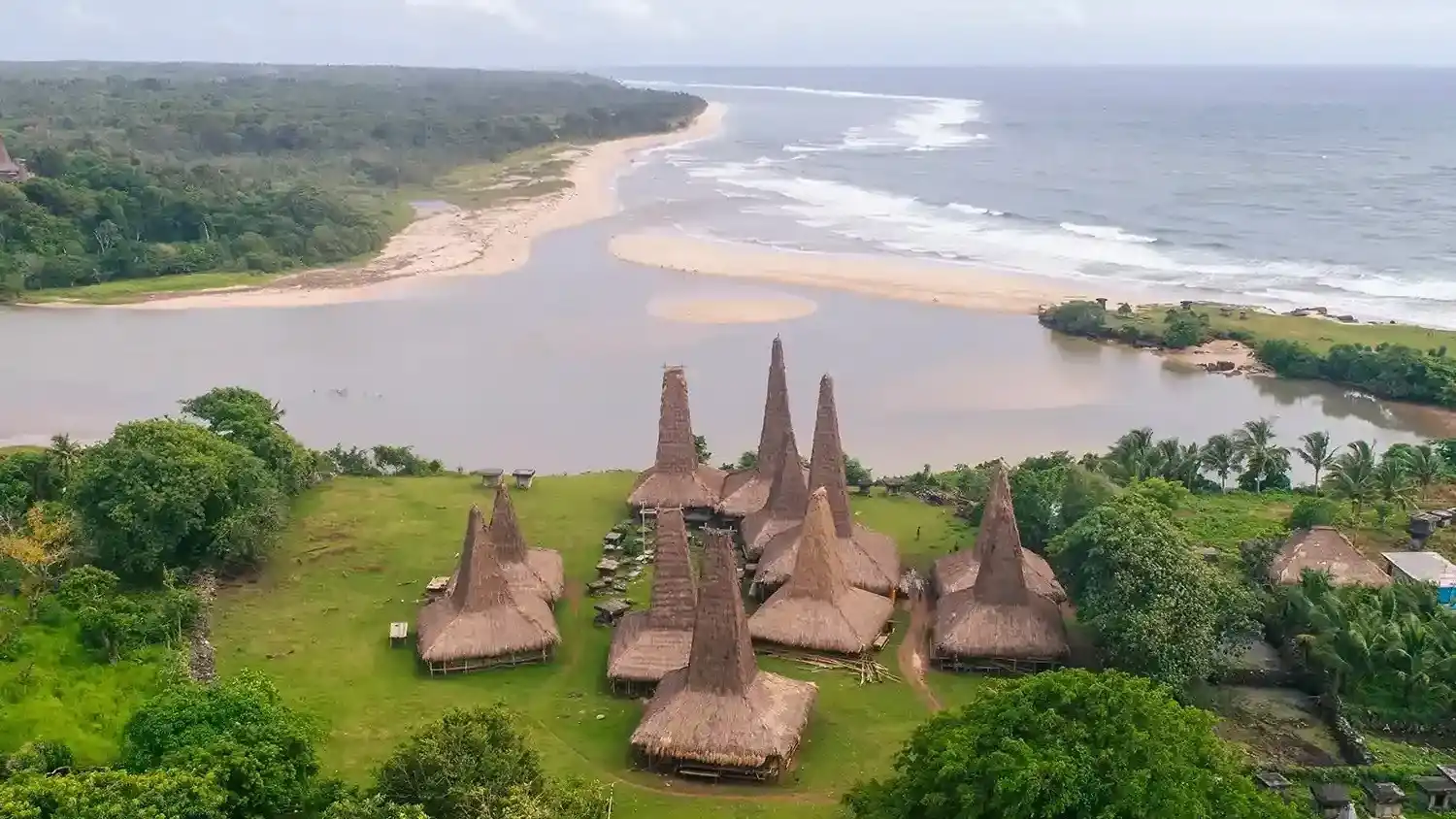
Beyond practical navigation, a guide offers an authentic lens into Sumba’s soul. They can introduce you to local customs, explain the significance of traditional villages often encountered en route, and facilitate respectful interactions. This the local culture transforms a simple waterfall visit into a profound travel experience, aligning perfectly with the ethos of luxury tourism that values authenticity and responsible engagement with the destination. For more on Sumba’s diverse attractions, consult Indonesia.Travel.
Accommodation options: From boutique to beachfront
After a day traversing Sumba’s rugged beauty, the promise of a luxurious retreat, where every detail caters to serenity and comfort, becomes an essential part of the journey. Sumba offers an emerging collection of high-end accommodation options that blend seamlessly with the island’s natural charm. From world-renowned eco-resorts to intimate boutique hotels, these establishments provide an level of service, exquisite dining, and often, striking views that complement the island’s raw appeal.
Pricing for luxury accommodations varies significantly based on exclusivity, location, and amenities. Expect to budget anywhere from $300-$500 USD per night for a high-end boutique hotel, with ultra-luxury resorts commanding upwards of $1000+ USD per night. These rates typically include premium services such as private transfers, gourmet meals, spa treatments, and access to exclusive experiences. Strategic booking, especially during the shoulder seasons, can sometimes yield more favorable rates without compromising the luxury experience.
Choosing your base strategically can also impact your overall waterfall budgeting. While some luxury resorts offer their own curated excursions, staying in or near the main towns like Waikabubak (West Sumba) or Waingapu (East Sumba) provides easier access to a wider range of transportation and guide services. This central positioning can reduce daily travel times and costs to numerous waterfalls, including Lapopu and Tanggedu, allowing for more efficient exploration of Sumba’s natural wonders.
Park fees and community contributions
Beyond the visual splendor, understanding the modest financial contributions to Sumba’s natural heritage ensures a visit that is both enriching and responsible. Accessing many of Sumba’s waterfalls involves paying a nominal entrance fee. These fees, typically ranging from IDR 10,000 to IDR 50,000 per person per waterfall, are usually collected by local community groups or designated park authorities. They are a small but vital part of the budgeting process, directly supporting the upkeep and conservation of these pristine natural sites.
These contributions are more than just a transaction; they represent an investment in the local community and the sustainability of Sumba’s natural attractions. Funds are often used for trail maintenance, waste management, and sometimes contribute to local development projects, benefiting the communities that serve as stewards of these beautiful places. Travelers often encounter additional, informal ‘community contributions’ or parking fees at less developed sites, which are typically small sums requested by local residents for access through their land or for watching vehicles. It is advisable to carry small denominations of Indonesian Rupiah for these instances.
Being prepared for these small, often cash-only payments ensures a smooth and respectful interaction with local residents and authorities. While not a significant portion of a luxury travel budget, acknowledging and understanding the purpose of these fees reinforces a commitment to responsible tourism. It ensures that the beauty of Sumba’s waterfalls, from the cascading tiers of Lapopu to the hidden pools of Waimarang, can be preserved and enjoyed by future generations.