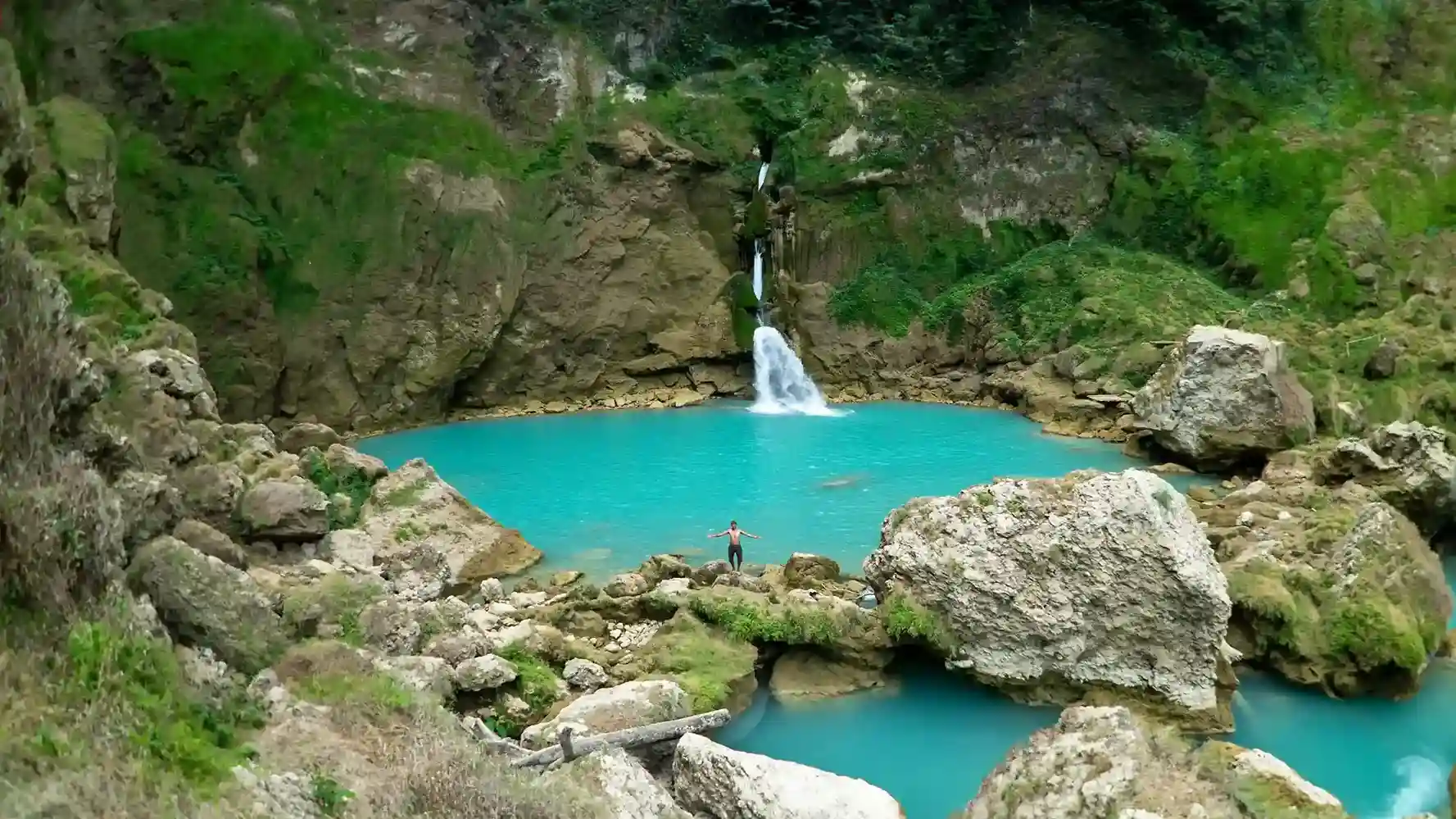
The island of Sumba, an area of about 10,710–10,909.55 square kilometres in East Nusa Tenggara, Indonesia, holds a distinct allure for those seeking natural beauty beyond the common tourist routes. Its rugged terrain and unique cultural heritage provide a backdrop for remarkable natural features, among them several prominent waterfalls. While Tanggedu and Waimarang draw their share of visitors, Air Terjun Lapopu presents a compelling case for focused attention. Understanding its specifics is crucial for any discerning traveller or photographer planning a visit.
Geographical Context and Location
Air Terjun Lapopu is situated on Sumba Island, a geographical entity within the Indonesian archipelago known for its distinct dry season and savannah landscapes. The island’s total area spans approximately 10,710–10,909.55 square kilometres, making it a substantial landmass in East Nusa Tenggara. Lapopu Waterfall itself is found in West Sumba Regency, specifically within the boundaries of Manupeu Tanah Daru National Park. This designation as a national park implies a commitment to conservation and management, influencing visitor access and infrastructure. The precise coordinates for Air Terjun Lapopu are approximately 9.678861°S, 119.492889°E. This positioning places it in a relatively central part of West Sumba, making it an accessible destination from the regency capital. Lapopu is located roughly 30 kilometres from Waikabubak, the capital of West Sumba Regency. This proximity to a regional hub facilitates logistical planning for travellers, offering a base for accommodation and supplies before venturing to the waterfall. In contrast, Tanggedu Waterfall is situated about 50 kilometres north-west of Waingapu, the capital city of East Sumba Regency, indicating the geographical spread of Sumba’s major waterfall attractions.
Physical Characteristics and Features
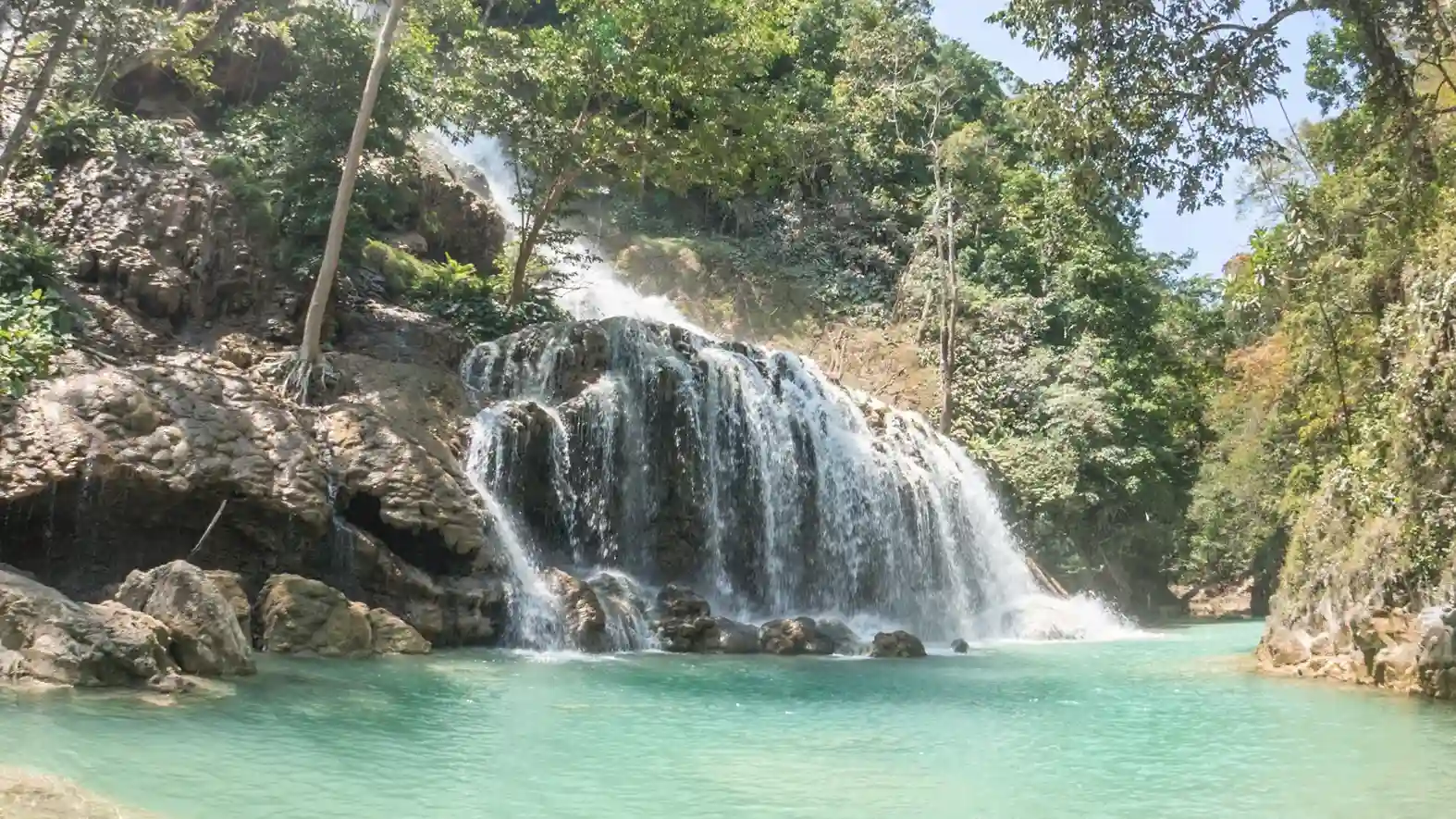
The defining characteristic of Air Terjun Lapopu is its impressive height. The waterfall has an approximate height of 90 metres, making it one of the taller waterfalls on Sumba Island. This significant vertical drop contributes to a powerful flow, particularly during or after the wet season. The water cascades down a series of natural steps and terraces, creating multiple levels that photographers find appealing. Unlike some single-drop falls, Lapopu’s multi-tiered structure allows for varied compositions and perspectives. The surrounding vegetation is typical of the national park, featuring a mix of tropical trees and shrubs, which contributes to a lush green environment around the falls. The pool at the base of the waterfall is generally accessible, providing an area for observation and photography. The geological formations contributing to the waterfall’s structure are primarily volcanic rock, common throughout Sumba, which has been eroded over millennia to form the present landscape. The water source for Lapopu originates from higher elevations within the Manupeu Tanah Daru National Park, fed by seasonal rainfall.
Access and Approach for Travellers
Reaching Air Terjun Lapopu requires a deliberate travel plan. The primary access point is from Waikabubak, the capital of West Sumba Regency, which is approximately 30 kilometres away. This journey typically involves driving on paved and unpaved roads, depending on the exact route and current conditions. Renting a private vehicle with a driver is a common method, offering flexibility and local expertise. Public transport options are limited and often require multiple transfers, extending travel time significantly. Upon arrival at the designated parking area near the national park entrance, visitors commence a trek to the waterfall. The path is generally well-defined but can be uneven and slippery, especially during the rainy season. Appropriate footwear with good grip is essential. The duration of the trek varies but usually takes between 30 to 60 minutes, depending on individual pace and physical condition. Local guides are often available and can enhance the experience by providing insights into the flora, fauna, and local culture. The journey itself, through rural Sumba landscapes, provides glimpses into local village life and agricultural practices.
Photography Considerations
Air Terjun Lapopu presents numerous opportunities for photographers. Its approximate height of 90 metres allows for wide-angle landscape shots capturing the entire cascade, as well as tighter compositions focusing on individual tiers or the surrounding foliage. The multi-tiered structure provides depth and visual interest. Lighting conditions are a critical factor; early morning or late afternoon light often produces softer, more diffused illumination, reducing harsh shadows and glare. Midday sun can be strong, potentially overexposing the water or creating high contrast. Long exposure techniques are effective for creating the characteristic silky water effect, requiring a tripod and neutral density filters. Protection for camera gear against spray and humidity is advisable, particularly near the base of the falls. Compositionally, the surrounding greenery and the texture of the rock formations add to the visual appeal. Including human subjects can provide a sense of scale, emphasizing the waterfall’s grandeur. Experimenting with different vantage points along the trek and around the base of the falls can yield diverse photographic results. The coordinates, 9.678861°S, 119.492889°E, place the waterfall in a tropical setting, influencing atmospheric conditions and light quality.
Comparative Context: Lapopu, Tanggedu, and Waimarang
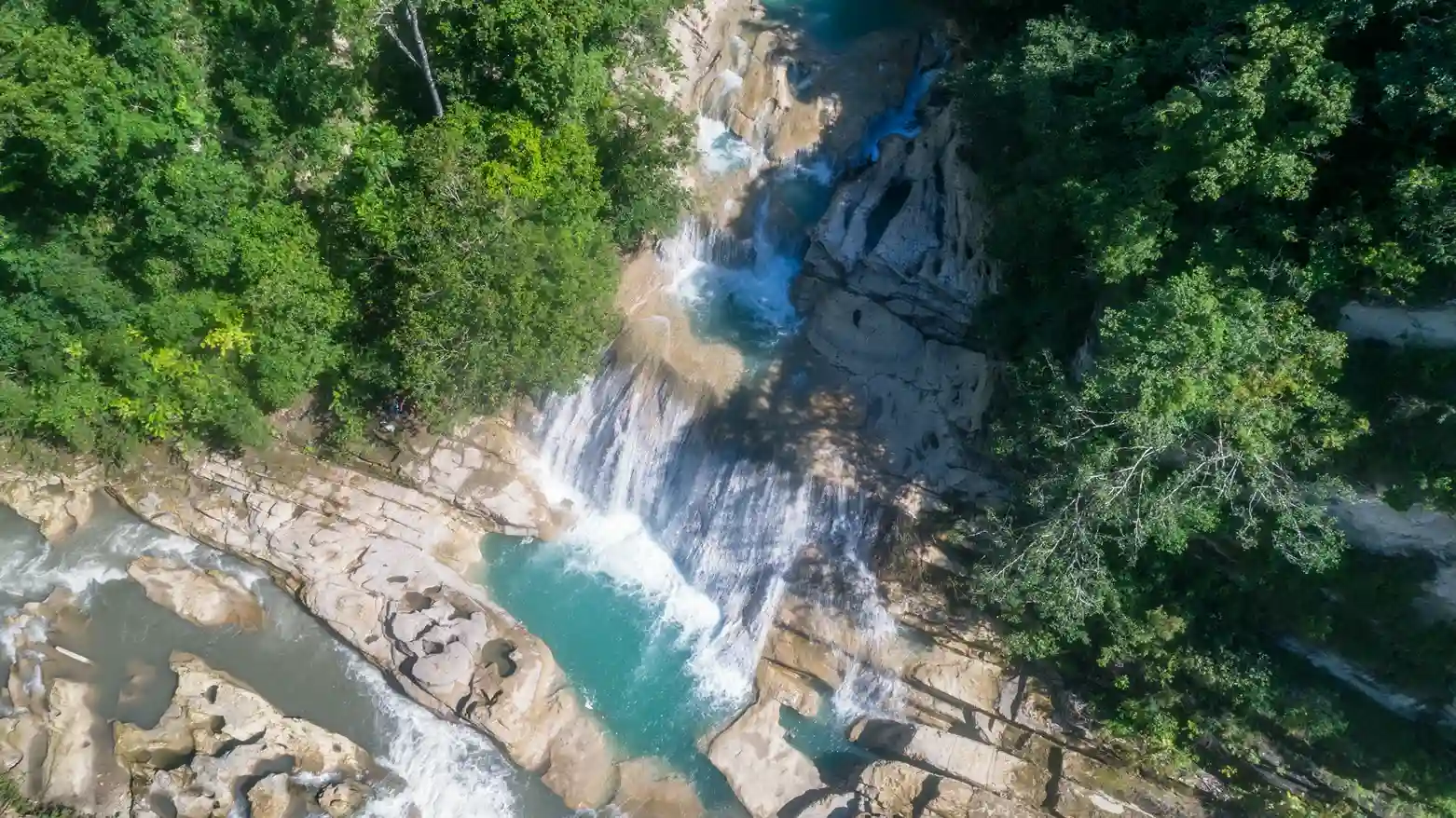
When planning a sumba waterfall itinerary, understanding the distinct characteristics of Lapopu in relation to other prominent waterfalls like Tanggedu and Waimarang is beneficial. Air Terjun Lapopu, with its approximate height of 90 metres, is a significant vertical cascade within Manupeu Tanah Daru National Park in West Sumba Regency. It is located roughly 30 kilometres from Waikabubak. Its multi-tiered structure and the surrounding lush national park environment distinguish it. Tanggedu Waterfall, in contrast, is known for its unique rock formations and natural pools, offering a different kind of visual appeal. It is situated about 50 kilometres north-west of Waingapu, the capital city of East Sumba Regency, placing it on a different side of the island. The journey to Tanggedu often involves traversing dry savannah landscapes, contrasting with Lapopu’s national park setting. Waimarang Waterfall, another popular destination, is characterized by its deep, vibrant blue pools, providing excellent opportunities for swimming and photography focused on water colour. Each waterfall offers a unique experience, influenced by its geology, surrounding environment, and accessibility. Travellers often prioritize based on desired photographic outcomes, trekking preferences, and logistical convenience from their base cities on Sumba.
Conservation and Responsible Tourism
The location of Air Terjun Lapopu within Manupeu Tanah Daru National Park highlights the importance of conservation efforts. The park designation provides a framework for protecting the waterfall’s ecosystem and the surrounding biodiversity. Visitors are expected to adhere to park regulations, which typically include staying on marked trails, refraining from littering, and respecting wildlife. The approximate height of 90 metres and the delicate ecosystem around the falls necessitate careful conduct to prevent erosion or damage to the natural environment. Responsible tourism practices ensure the long-term preservation of such natural wonders for future generations. This includes supporting local communities through the engagement of local guides and purchasing local goods and services. Understanding the geographical context of Sumba Island, with its area of about 10,710–10,909.55 square kilometres, underscores the scale of natural resources that require protection. The remote nature of many of Sumba’s attractions, including Lapopu, means that individual visitor actions have a magnified impact. Education about the local culture and environment, combined with adherence to ethical travel principles, contributes to a positive and sustainable tourism model for Sumba.
Learn more about Sumba Island.
Further details on Air Terjun Lapopu.