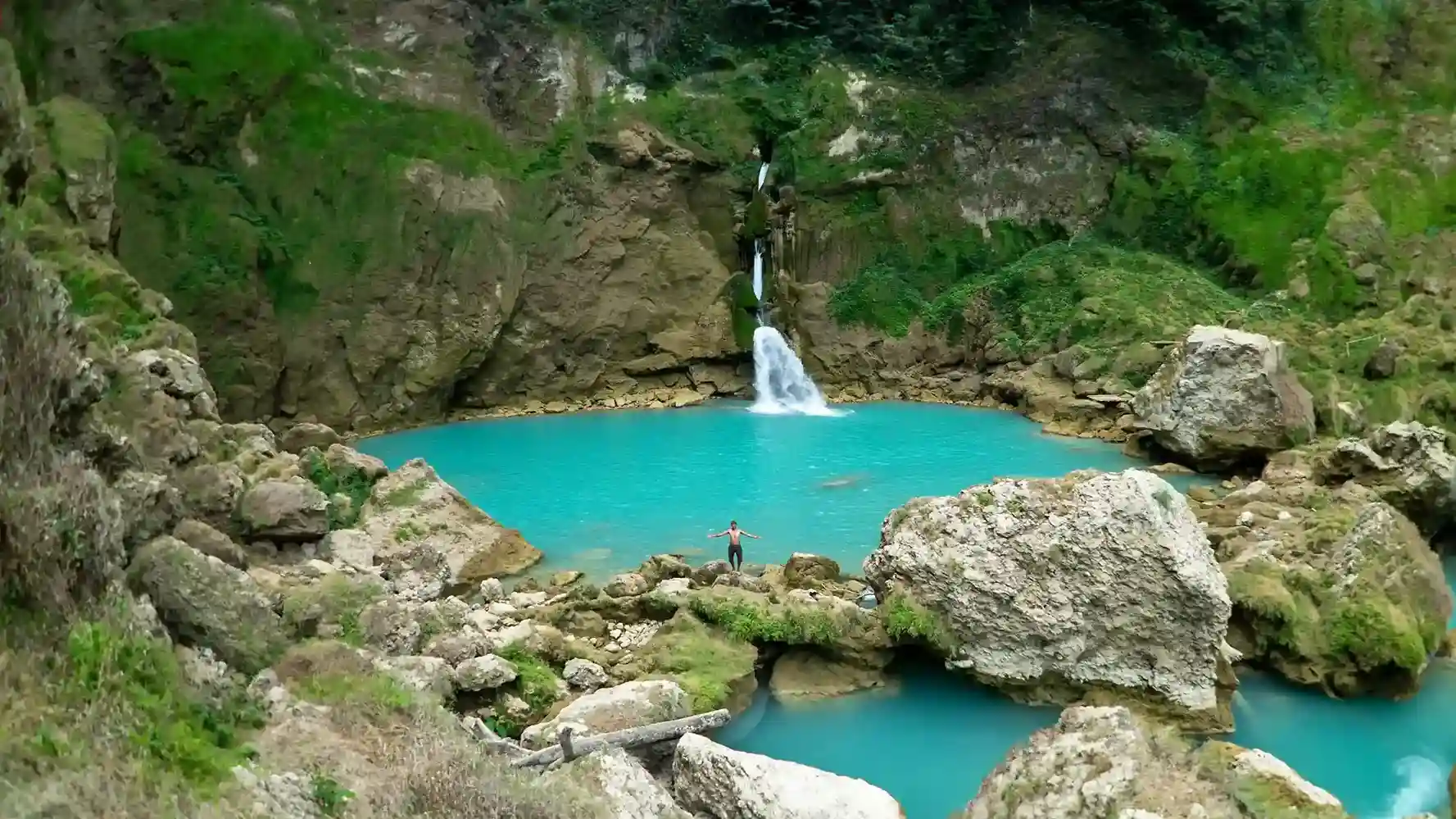
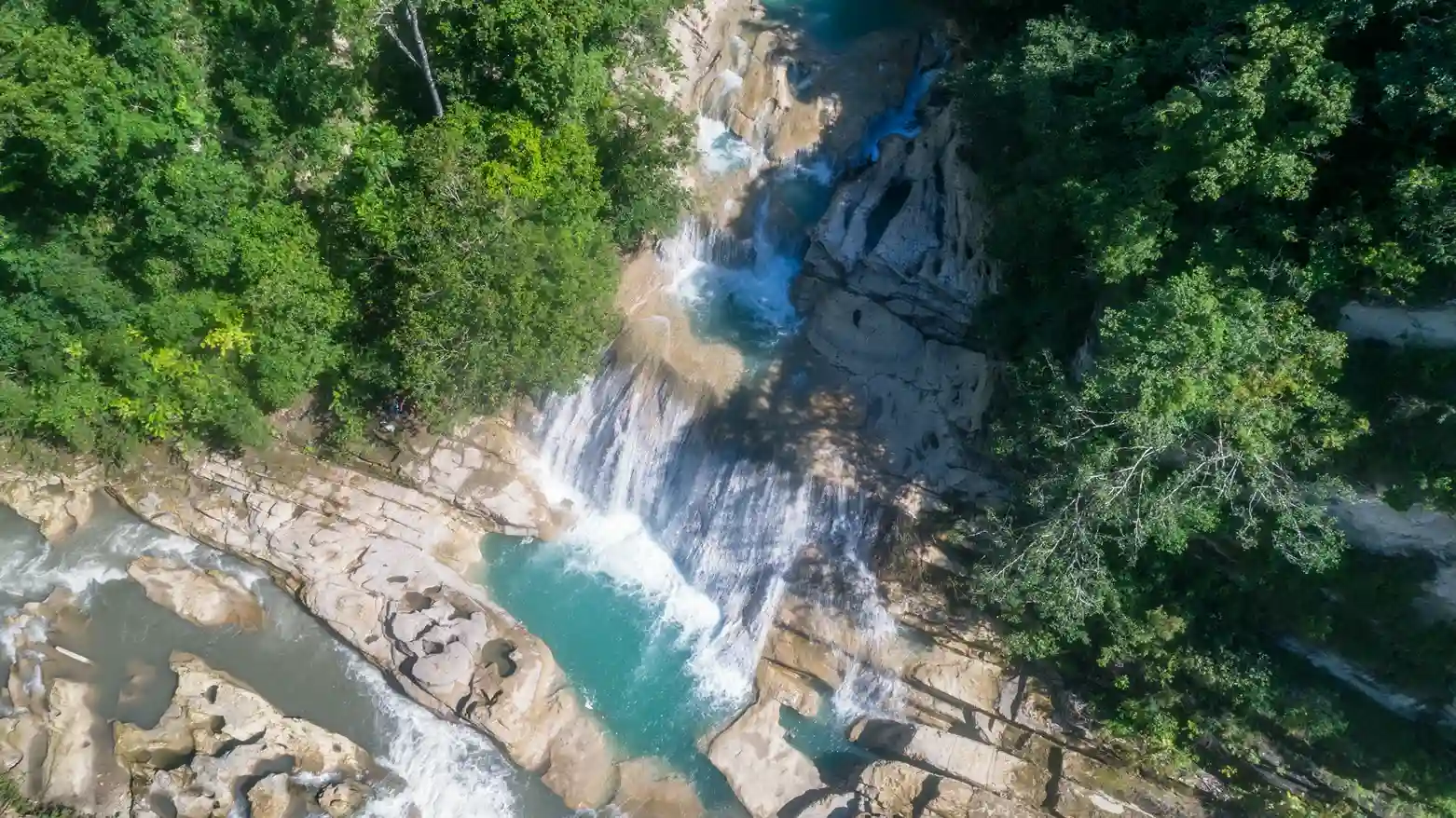
Sumba’s waterfalls are more than mere cascades; they are integral to the island’s identity, drawing visitors seeking natural beauty and photographic subjects. Understanding their individual characteristics against other regional options is crucial for planning an effective itinerary.
Lapopu Waterfall: The Iconic Landmark
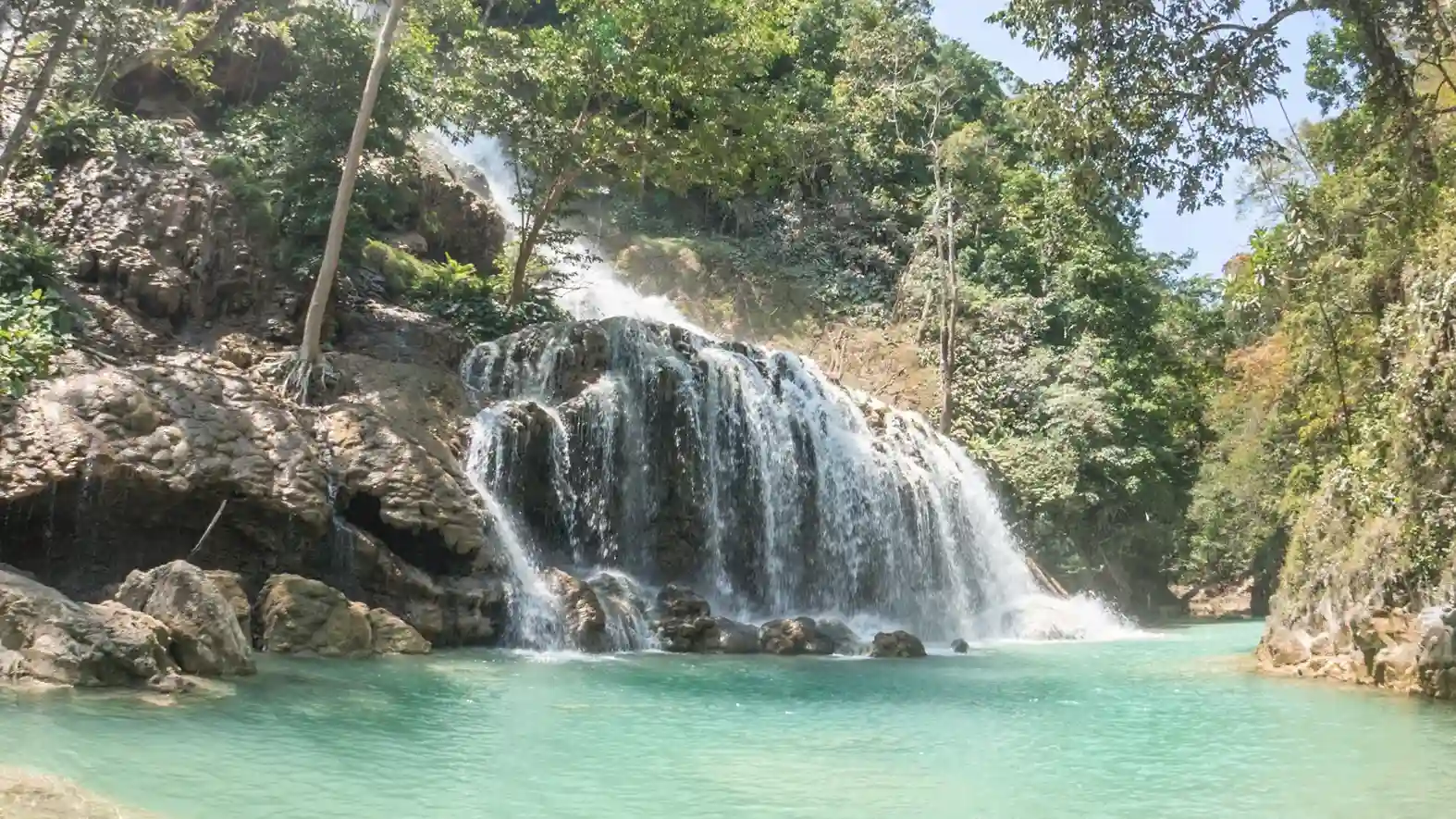
Air Terjun Lapopu represents a primary draw for visitors to Sumba. Its approximate height of 90 metres establishes it as a significant natural feature on the island. The falls are located within the Manupeu Tanah Daru National Park in West Sumba Regency, providing a protected ecological context. Geographically, Air Terjun Lapopu is situated at coordinates approximately 9.678861°S, 119.492889°E. This precise location aids in itinerary planning. Access to Lapopu is comparatively straightforward; it lies roughly 30 kilometres from Waikabubak, the capital of West Sumba Regency. The journey typically involves a combination of paved and unpaved roads, accessible by various vehicle types depending on recent weather conditions. The multi-tiered structure of Lapopu creates numerous photographic angles, particularly from viewpoints along the riverbed and elevated platforms. The water volume fluctuates seasonally, with the wet season (November to April) offering the most powerful flow. Compared to smaller, less accessible falls on Sumba, Lapopu’s established infrastructure and prominent height make it a benchmark for waterfall experiences in the region. Its integration into a national park also means visitors contribute to conservation efforts through entrance fees. The surrounding parkland provides opportunities for observing local flora and fauna, enhancing the overall visit beyond the waterfall itself. Sumba Island itself has an area of about 10,710–10,909.55 square kilometres, making Lapopu a central point of interest in its western expanse.
Tanggedu Waterfall: East Sumba’s Canyon Cascade
Tanggedu Waterfall offers a contrasting experience to Lapopu, primarily due to its unique geological setting and location. Situated about 50 kilometres north-west of Waingapu, the capital city of East Sumba Regency, Tanggedu requires a more deliberate journey. The drive from Waingapu navigates through rolling hills and traditional villages, offering glimpses into rural Sumbanese life. Unlike Lapopu’s direct plunge, Tanggedu flows through a series of natural rock formations and a narrow canyon, creating a distinctive visual. The water has carved intricate patterns into the limestone, forming natural pools ideal for swimming during drier periods. Photographers often focus on the interplay of light and shadow within the canyon, and the vibrant turquoise colour of the water. The approach to Tanggedu involves a short trek from the parking area, traversing a relatively easy path, though sturdy footwear is advisable. This waterfall is less developed than Lapopu, offering a more rustic and less crowded experience. The absence of extensive tourist facilities means visitors should carry their own provisions. The smaller scale of Tanggedu compared to Lapopu allows for closer interaction with the water and rock formations, providing different photographic perspectives. Its relatively remote location contributes to a sense of discovery, appealing to those seeking a less conventional waterfall visit. The journey to Tanggedu also provides insight into the diverse landscapes of Sumba, moving from coastal plains to inland rugged terrain.
Waimarang Waterfall: The Blue Pool Oasis
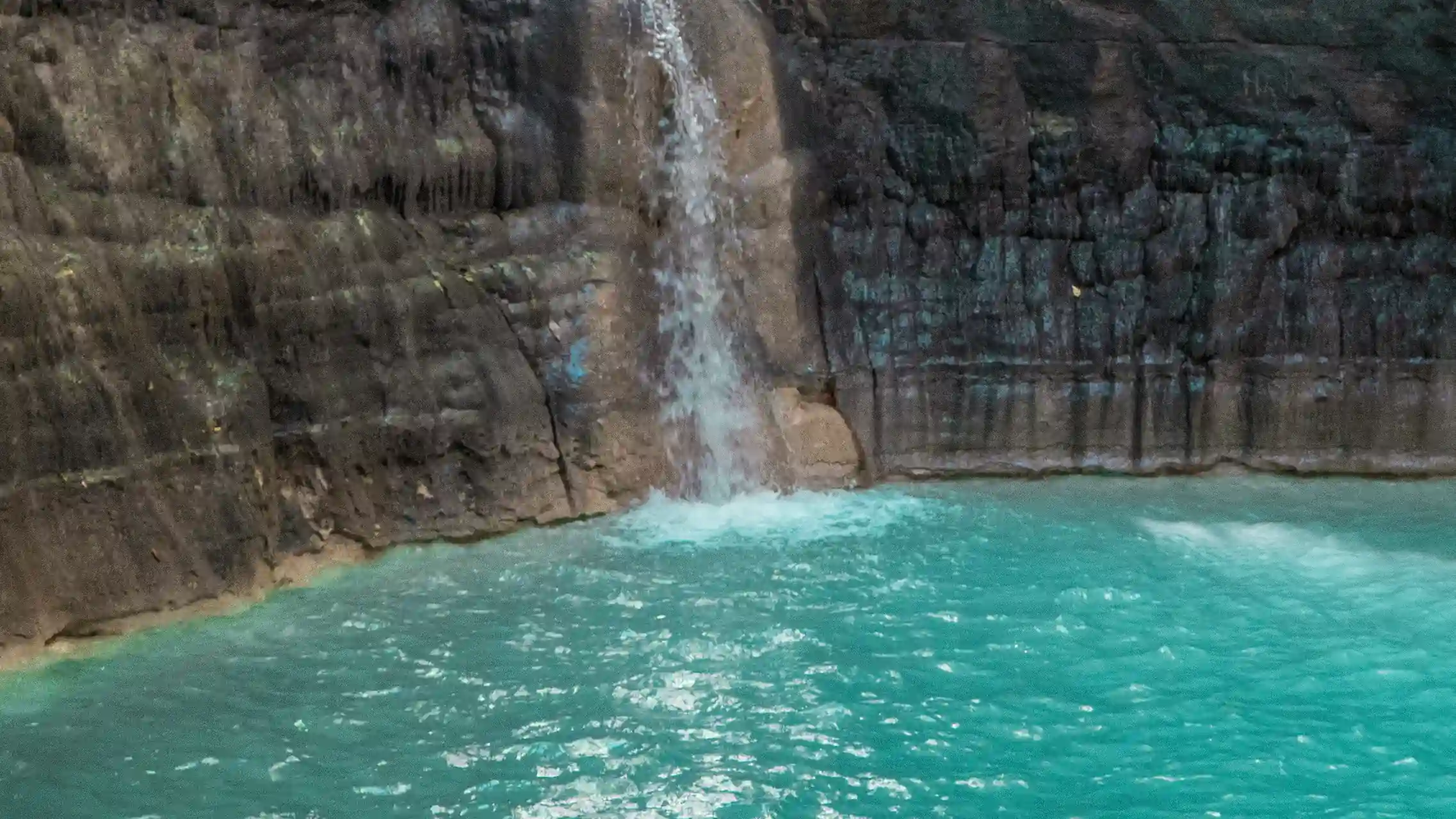
Waimarang Waterfall, located in East Sumba, presents another distinct appeal, primarily known for its striking blue natural pool at the base of the falls. This feature distinguishes it from both Lapopu and Tanggedu. The journey to Waimarang involves navigating through rural areas, often on less developed roads, culminating in a significant descent to the falls. This descent includes a series of natural steps and ladders, requiring a moderate level of physical fitness and caution. The effort is rewarded by the sight of the waterfall cascading into a deep, clear blue pool, shaded by overhanging vegetation. The water’s vibrant colour is a primary photographic subject, particularly on sunny days when light penetrates the pool. Swimming in the cool, refreshing water is a major draw for visitors. The relatively enclosed environment of Waimarang creates a serene atmosphere, a stark contrast to the open expanse of Lapopu or the canyon setting of Tanggedu. The falls themselves are not as high as Lapopu, but their aesthetic impact is significant due to the unique pool. Visitors should allocate ample time for both the trek and enjoying the waterfall. The remote nature of Waimarang means limited facilities, necessitating self-sufficiency. This waterfall is particularly popular with those seeking a tranquil swimming experience combined with photographic opportunities centered on water colour and natural light. The journey to Waimarang offers further evidence of Sumba’s varied topography and the challenges and rewards of exploring its natural wonders.
Comparing Accessibility and Infrastructure
Accessibility varies significantly among Sumba’s primary waterfalls, influencing visitor experience and logistical planning. Air Terjun Lapopu, being roughly 30 kilometres from Waikabubak, benefits from relatively better road infrastructure leading to its vicinity. Within Manupeu Tanah Daru National Park, there are established paths, viewing platforms, and basic visitor facilities, making it the most accessible and prepared for general tourism. This ease of access contributes to its popularity. Tanggedu Waterfall, about 50 kilometres north-west of Waingapu, requires a longer drive on roads that can be less maintained, particularly during the wet season. The final approach often involves a short hike, but no significant climbing. Infrastructure at Tanggedu is minimal, reflecting a less commercialised environment. Waimarang Waterfall presents the most challenging access, involving a substantial walk and descent via natural steps and improvised ladders. This makes it less suitable for individuals with mobility limitations or very young children. The lack of extensive infrastructure at Waimarang contributes to its untouched feel, but also demands greater self-reliance from visitors. For photographers, the varying accessibility means different equipment considerations; Lapopu might allow for larger setups due to easier transport, while Tanggedu and Waimarang necessitate more portable gear. The conditions of the roads across Sumba Island, which spans approximately 10,710–10,909.55 square kilometres, can change rapidly, impacting travel times to all locations.
Sumba’s Waterfalls vs. Regional Alternatives
When considering Sumba’s waterfalls against alternatives in other parts of Indonesia or Southeast Asia, several distinctions emerge. Many popular waterfall destinations, such as those in Bali or Lombok, often feature highly developed tourist infrastructure, larger crowds, and sometimes more commercialised surroundings. Sumba, by contrast, offers a more rugged and less tampered experience. The sheer scale of Sumba Island, approximately 10,710–10,909.55 square kilometres, allows for a greater sense of discovery and isolation at its waterfall sites. Lapopu’s significant height of 90 metres, within Manupeu Tanah Daru National Park, provides a grand natural spectacle akin to some major regional falls, but without the extensive human footprint often found elsewhere. The unique geological formations of Tanggedu, with its canyon setting, and Waimarang, with its distinct blue pool, present photographic and recreational opportunities that are less common in more tourist-saturated areas. The cultural context surrounding Sumba’s waterfalls is also a differentiator; interactions with local communities are more prevalent, offering insights into traditional Sumbanese life that are often absent at highly commercialised sites. The journey to these waterfalls across Sumba provides a broader experience of the island’s diverse landscapes and cultural heritage. This makes Sumba an appealing destination for those seeking an authentic interaction with nature and local culture, rather than a purely aesthetic waterfall viewing. Information on Sumba can be found via Wikipedia and Pulau Sumba Wikipedia.
Choosing Your Sumba Waterfall Experience
Selecting which Sumba waterfall to visit depends on individual priorities and physical capabilities. For those prioritizing ease of access and a grand, multi-tiered spectacle, Lapopu Waterfall is the primary choice. Its location near Waikabubak in West Sumba Regency, at approximately 9.678861°S, 119.492889°E, makes it a foundational element of many itineraries. For an experience involving unique geological formations and a sense of discovery in East Sumba, Tanggedu Waterfall, situated about 50 kilometres north-west of Waingapu, offers a compelling option. Its canyon environment provides distinct photographic angles and a more intimate interaction with the landscape. Waimarang Waterfall appeals to those seeking a serene swimming experience in a strikingly blue natural pool, willing to undertake a more challenging descent. Each waterfall presents different photographic challenges and rewards, from Lapopu’s expansive views to Tanggedu’s intricate rock formations and Waimarang’s vibrant water colour. The journey to any of these falls also provides a deeper understanding of Sumba Island’s topography and culture. Understanding these differences allows travellers and photographers to tailor their Sumba itinerary effectively, ensuring their expectations are met. Further details on the region are available through Southwest Sumba Regency Wikipedia and Air Terjun Lapopu Wikipedia.