Welcome to our curated guide on sumba waterfall — the definitive resource for premium options across Indonesia.
The air on Sumba carries the scent of dry earth and distant ocean, a prelude to the island’s raw, untamed beauty. Sunlight filters through dense foliage, illuminating the spray of falling water, a constant rhythm against the ancient landscape. This is Sumba, an island where water cascades carve paths through limestone and volcanic rock, offering a profound connection to nature’s power.
Air Terjun Lapopu: The Icon of West Sumba
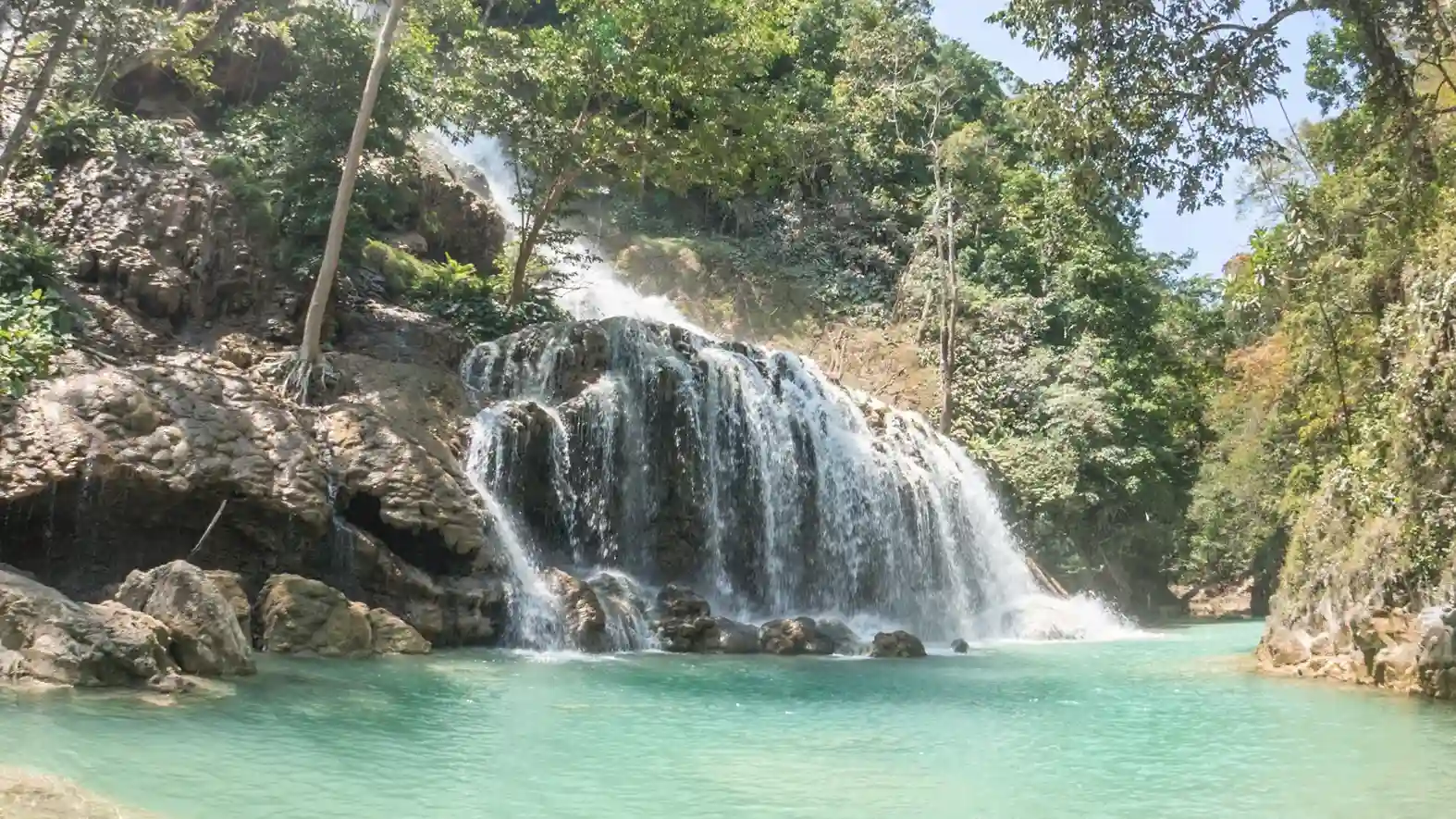
Air Terjun Lapopu stands as a definitive natural landmark within Sumba’s western reaches. Located approximately 30 kilometres from Waikabubak, the capital of West Sumba Regency, this multi-tiered waterfall is a significant feature of the Manupeu Tanah Daru National Park. Its approximate height of 90 metres allows water to descend in a series of stepped formations, creating numerous pools. The coordinates of Air Terjun Lapopu are about 9.678861°S, 119.492889°E, positioning it within a landscape of rolling hills and protected forests. Accessing Lapopu typically involves a combination of vehicle travel and a short trek. From Waikabubak, the drive can take around 1.5 to 2 hours, depending on road conditions. The path to the waterfall itself is generally well-maintained, traversing gentle inclines and offering views of the surrounding parkland. Entry fees apply, contributing to the upkeep of the national park. Visitors often spend 2-3 hours exploring the immediate vicinity, swimming in the lower pools, and photographing the various cascades. The flow of water is most impressive during the wet season, from November to April, though Lapopu remains accessible and visually striking year-round. Local guides are available near the entrance, offering insights into the ecosystem and ensuring visitor safety. The bedrock here consists primarily of limestone, influencing the unique terraced structure of the falls.
Tanggedu Canyon Waterfall: East Sumba’s Geological Marvel
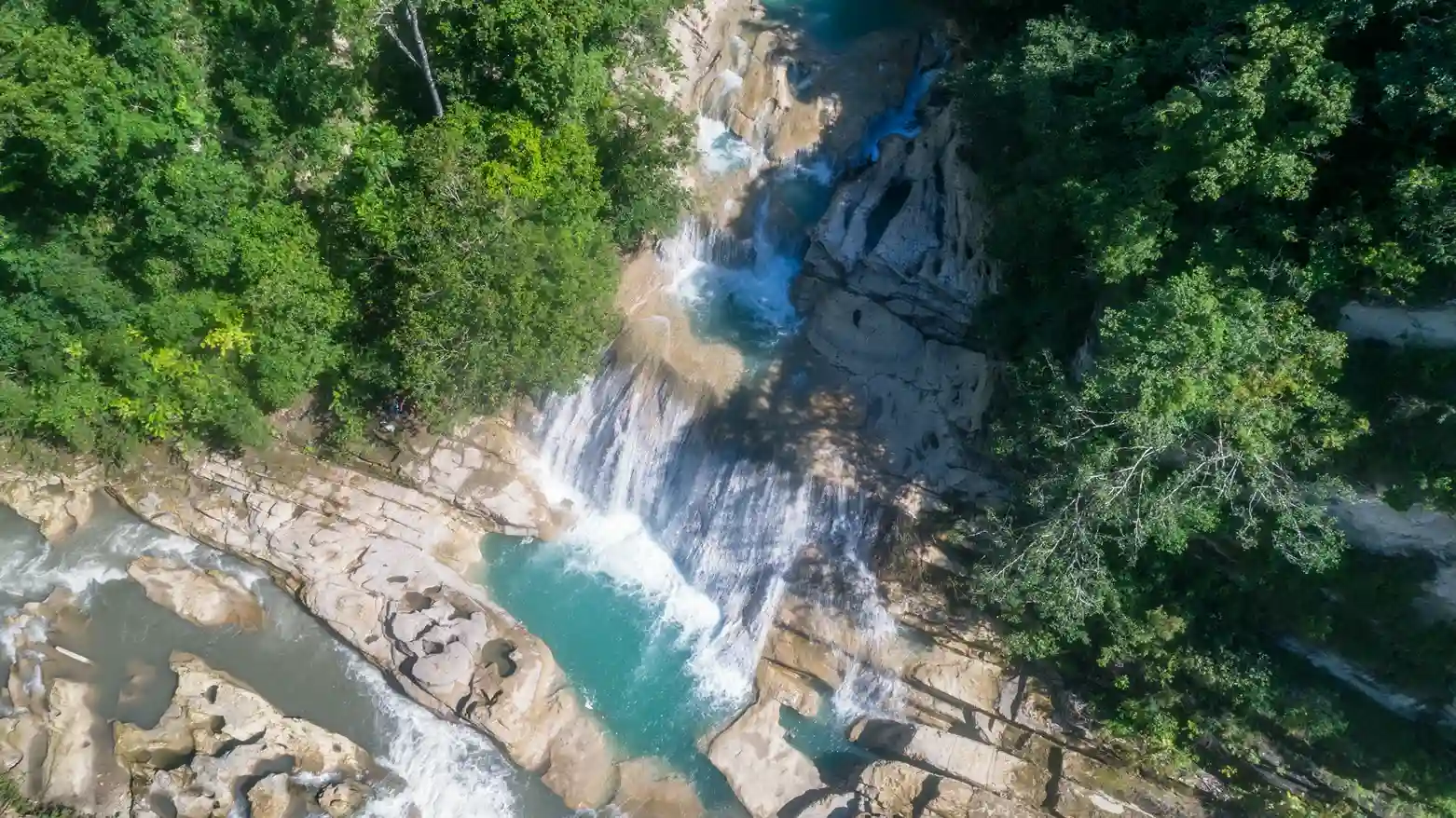
Tanggedu Waterfall, often referred to as Tanggedu Canyon, presents a stark contrast to Lapopu’s lush setting. Situated about 50 kilometres north-west of Waingapu, the capital city of East Sumba Regency, this waterfall is defined by its dramatic rock formations. The journey from Waingapu typically takes 1.5 to 2 hours by car or motorbike, followed by a trek of 30-45 minutes through dry riverbeds and agricultural land. The path can be challenging, particularly after heavy rains, requiring sturdy footwear. Tanggedu is not a single, towering drop but rather a series of smaller cascades and natural pools carved into a narrow canyon by centuries of water erosion. The surrounding landscape is characterized by arid hills and savannah, a common feature of East Sumba. The water flow here is seasonal; during the dry months, from May to October, the pools may be shallower, but the geological features become more pronounced. During the wet season, the water levels rise, offering more opportunities for swimming. The canyon walls, sculpted from sedimentary rock, reveal layers of geological history. Visitors often spend 2-4 hours here, exploring the various pools and photographic angles. Local community members often act as informal guides, facilitating access and offering assistance for a small fee. This site exemplifies Sumba’s diverse geomorphology, moving from volcanic activity to sedimentary erosion.
Waimarang Waterfall: The Turquoise Pool of Southwest Sumba
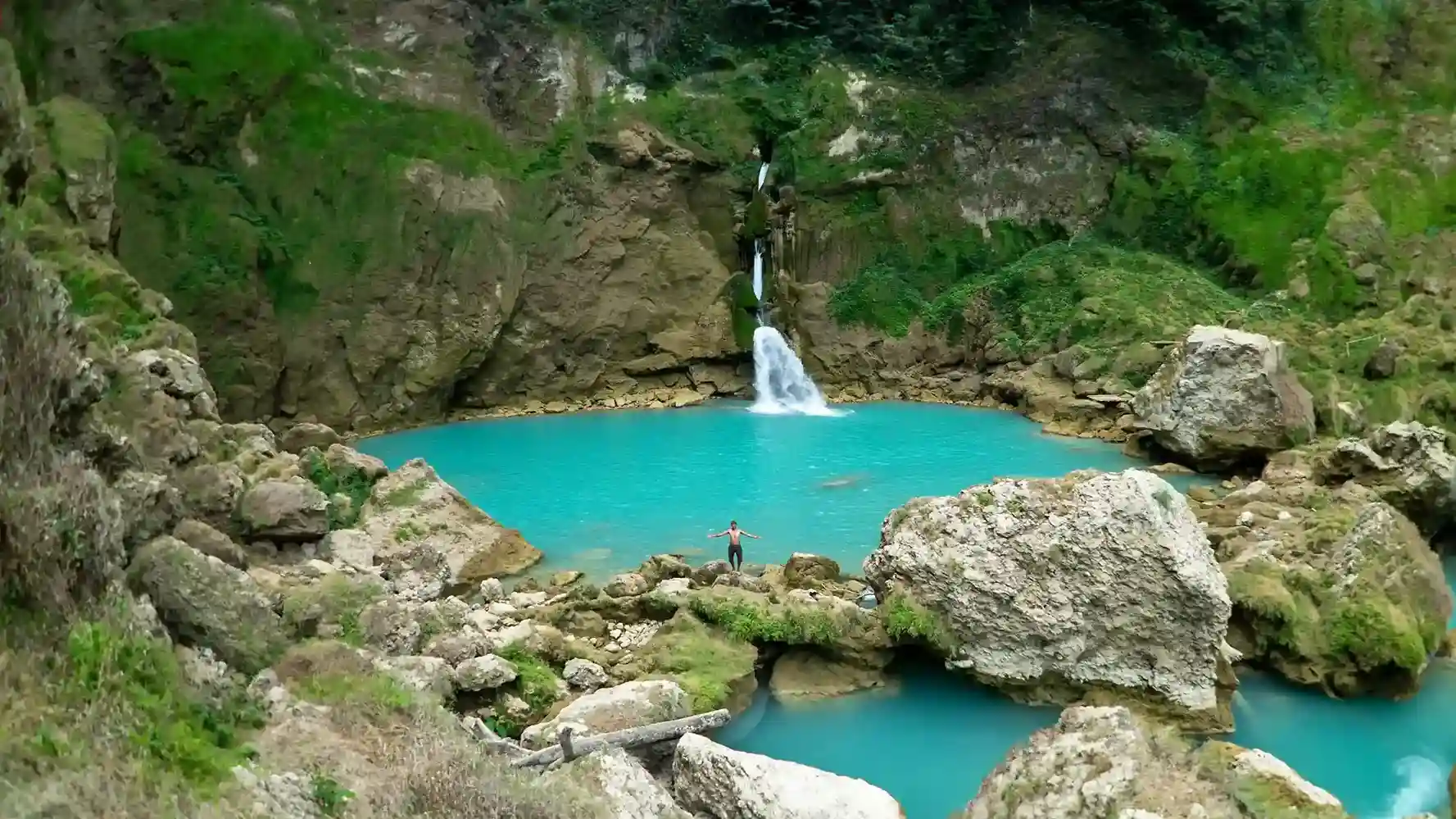
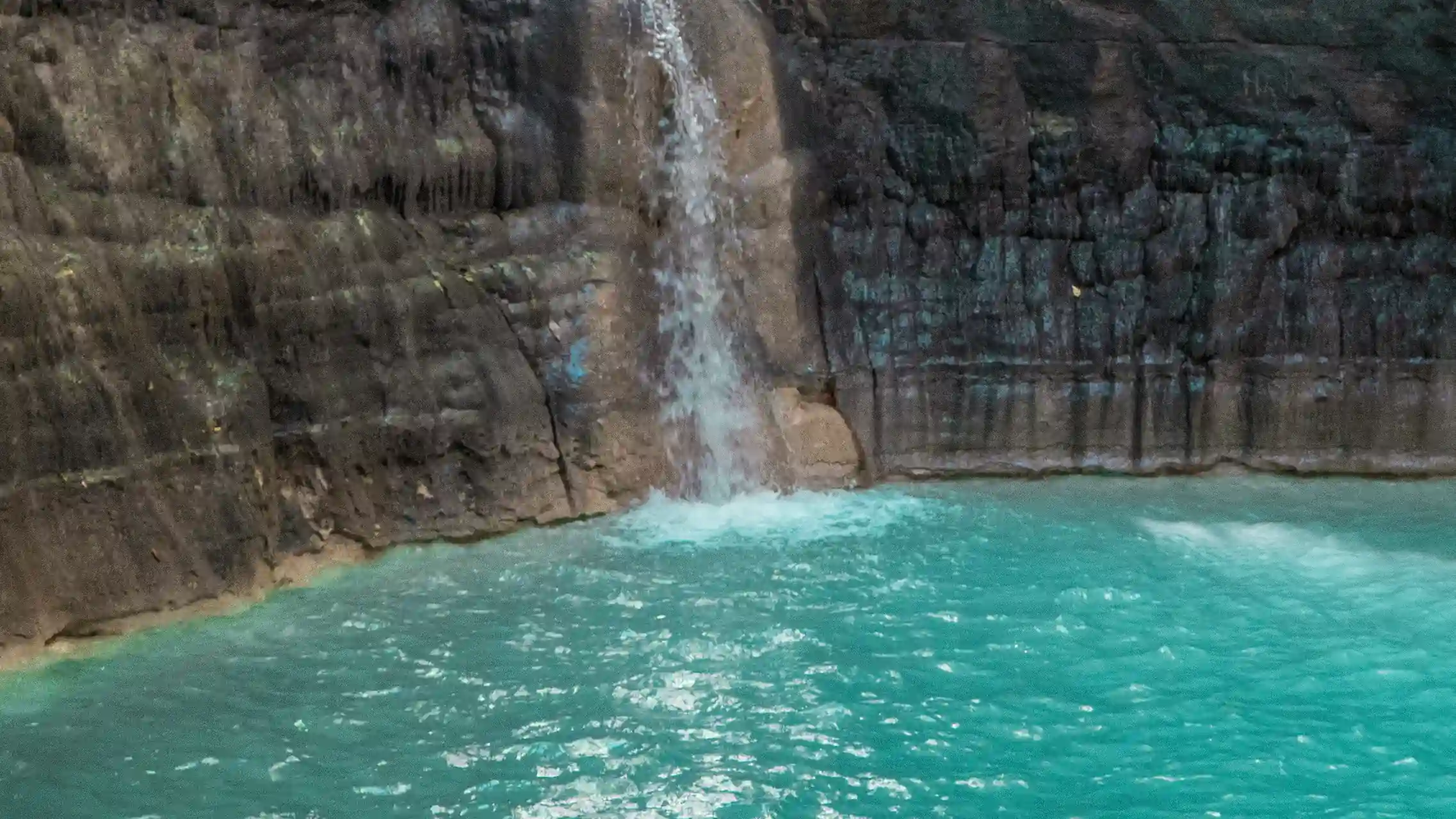
Waimarang Waterfall, located in Southwest Sumba Regency, is renowned for its distinctive natural pool of vibrant turquoise water. Reaching Waimarang is an adventure in itself, typically involving a drive from Waikabubak or Tambolaka, followed by a significant trek. The drive from Waikabubak can take approximately 2-3 hours, traversing winding roads through traditional villages and agricultural fields. The subsequent hike to the waterfall is often challenging, involving steep descents and uneven terrain, lasting 45-60 minutes. Proper hiking shoes are essential. The waterfall itself is a single, powerful drop into a deep, circular pool enclosed by high, moss-covered rock walls. The unique colour of the water is attributed to the mineral content and the way light filters into the enclosed space. The pool is ideal for swimming, offering a refreshing respite after the demanding trek. Due to its more remote location and challenging access, Waimarang generally sees fewer visitors than Lapopu or Tanggedu, offering a more secluded experience. Local guides are highly recommended for understanding the trail, which can be slippery, especially during the wet season. The best time to visit for optimal water clarity and manageable trail conditions is during the dry season, from May to October. The surrounding area is part of the traditional domain of the Sumbanese people, and cultural interactions are common along the route.
Weekacura Waterfall: The Terraced Springs of West Sumba
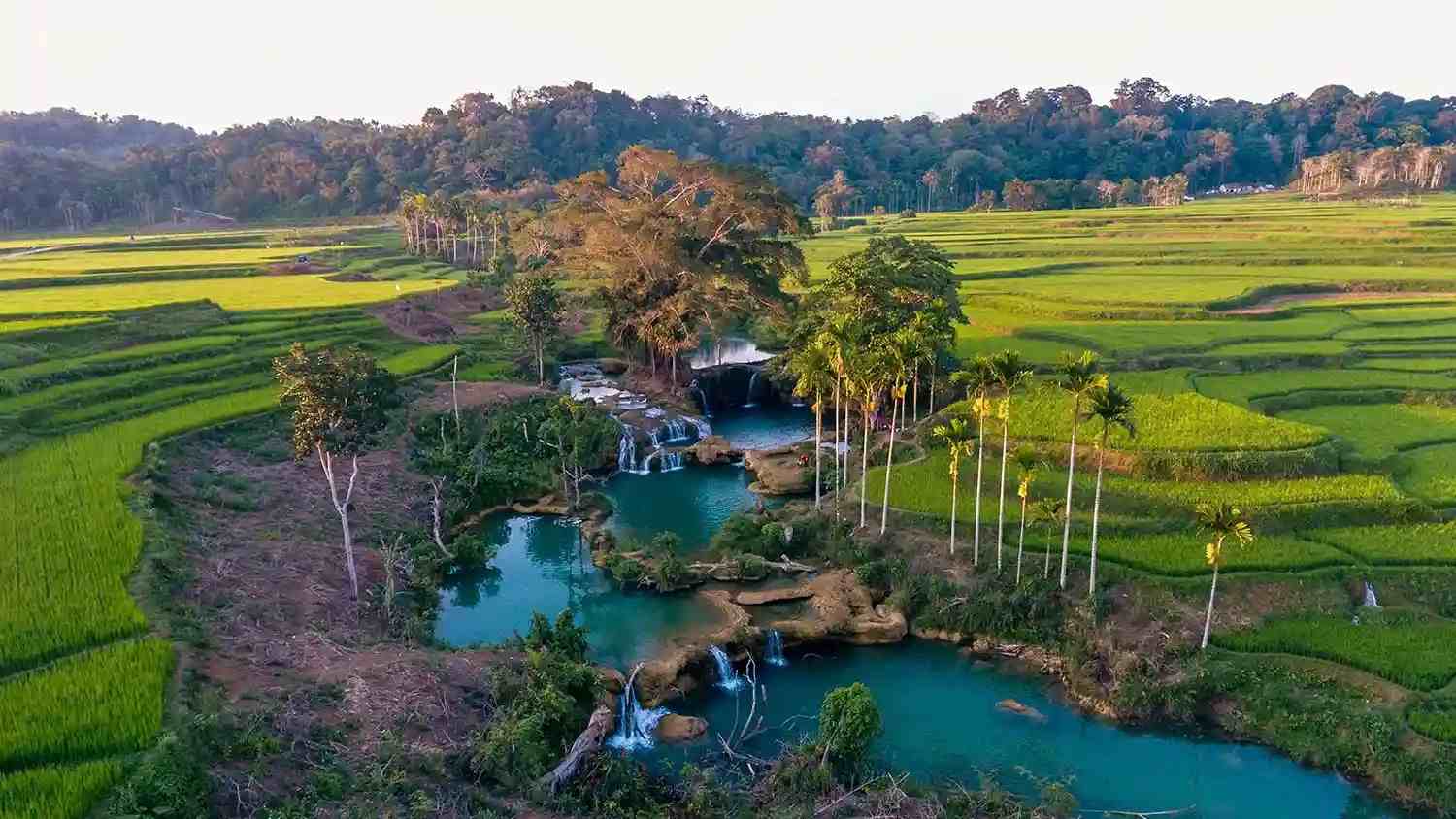
Weekacura Waterfall, situated in West Sumba, offers a different kind of aquatic experience, resembling a series of natural springs and shallow terraced pools rather than a singular powerful fall. This site is often less about a dramatic drop and more about the gentle flow of water over limestone formations, creating multiple small cascades and bathing areas. Access to Weekacura is generally less strenuous than Waimarang, involving a shorter and less demanding trek after vehicle access. From Waikabubak, the drive might take 1.5 to 2 hours, followed by a walk of 15-30 minutes. The pools at Weekacura are relatively shallow, making them suitable for families and those seeking a more relaxed swimming experience. The water is clear and cool, originating from subterranean springs. The terraced nature of Weekacura provides numerous spots for wading and photography, with sunlight dappling through the surrounding trees. The area around Weekacura is often surrounded by rice paddies and local farms, offering glimpses into daily Sumbanese life. It is advisable to visit during the dry season for the clearest water and easier access. Facilities are minimal, emphasizing the site’s natural, undeveloped state. Visitors typically spend 1-2 hours enjoying the tranquil atmosphere and refreshing waters. This waterfall, while not as grand in scale as Lapopu, provides a serene natural bathing experience.
Planning Your Sumba Waterfall Itinerary: Logistics from Waingapu or Waikabubak
Efficient planning is crucial for exploring Sumba’s waterfalls, given the island’s vastness and varying road conditions. Sumba Island has an area of about 10,710–10,909.55 square kilometres. Waingapu, in East Sumba, and Waikabubak, in West Sumba, serve as the primary hubs for travellers. From Waingapu, Tanggedu Waterfall is the most accessible, located about 50 kilometres north-west. A round trip, including travel and exploration, typically requires a full day. For Lapopu, Waimarang, and Weekacura, originating from Waingapu would necessitate a significant cross-island journey, often best broken up with an overnight stay in Waikabubak. From Waikabubak, Air Terjun Lapopu is approximately 30 kilometres away, making it a manageable half-day or full-day excursion. Waimarang and Weekacura are also more conveniently accessed from Waikabubak, though they require longer drives and more challenging treks. Renting a car with a driver is highly recommended for navigating Sumba’s roads, which can be unpaved and rugged in rural areas. Motorbike rentals are also an option for experienced riders. Accommodation is available in both Waingapu and Waikabubak, ranging from guesthouses to boutique hotels. It is advisable to carry sufficient water, snacks, and sun protection, as facilities at the waterfall sites are often basic. Communication with local guides or tour operators can clarify current road conditions and access regulations. Consult https://en.wikipedia.org/wiki/Sumba for broader geographical context and https://id.wikipedia.org/wiki/Pulau_Sumba for Indonesian-language specifics.
Sumba Waterfall Trekking Routes and Eco-Tourism Photography

Trekking to Sumba’s waterfalls offers diverse experiences, from gentle walks to challenging hikes. The routes to Air Terjun Lapopu, for instance, are relatively straightforward, following established paths within Manupeu Tanah Daru National Park. The final approach involves a descent to the base of the falls. Tanggedu Waterfall’s route involves navigating a dry riverbed and some rocky terrain, demanding careful footing. Waimarang Waterfall presents the most arduous trek, with steep, often slippery descents into a confined canyon. Weekacura’s paths are generally easier, leading to open terraced pools. For eco-tourism photography, Sumba’s waterfalls provide varied subjects. Lapopu’s multi-tiered structure and surrounding lush forest offer wide-angle landscape opportunities. Tanggedu’s canyon walls and sculpted rock formations are ideal for capturing geological details and dramatic light. Waimarang’s enclosed pool and vibrant turquoise water are perfect for capturing ethereal colours and reflections. Weekacura provides opportunities for intimate shots of flowing water and interaction with the surrounding agricultural landscapes. Respecting local customs and environmental guidelines is paramount. Do not litter, stay on marked paths where available, and avoid disturbing wildlife. Local communities often benefit directly from tourism, so engaging local guides and purchasing local products contributes to sustainable practices. For more detailed information on Lapopu, refer to https://id.wikipedia.org/wiki/Air_Terjun_Lapopu. Understanding the specific challenges of each site allows photographers to prepare appropriate gear, such as wide-angle lenses for landscapes, polarizing filters for water, and sturdy tripods for long exposures.