
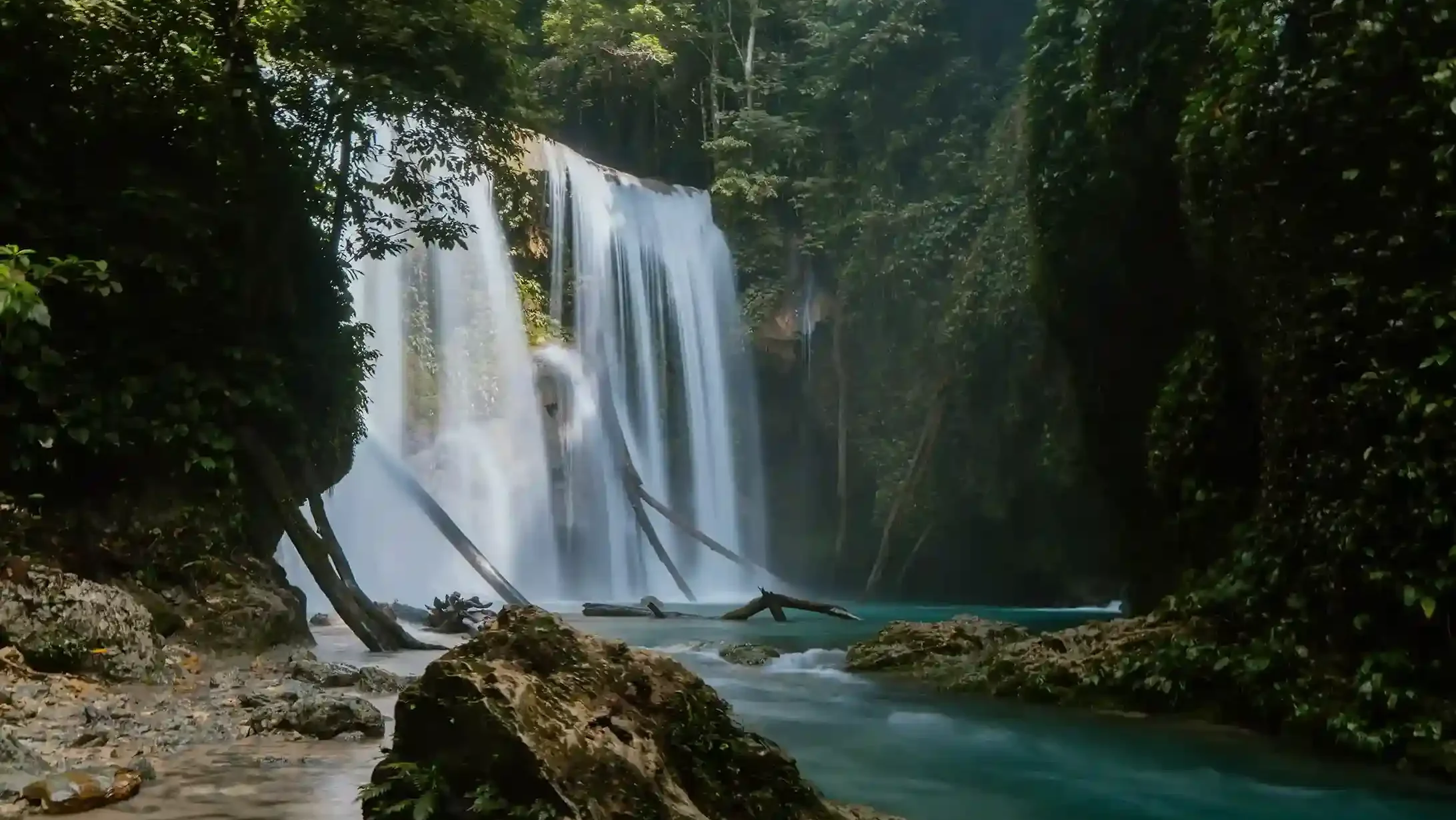
Imagine the air, thick with a fine mist, carrying the distant roar of a powerful cascade. Sunlight filters through the dense canopy, dappling emerald leaves and illuminating the path ahead. With each step, the sound intensifies, a rhythmic thrum against the quiet hum of the jungle. Then, the foliage parts, revealing a colossal curtain of water, plunging into a turquoise pool below. This is the promise of a Sumba waterfall, a pristine encounter with nature’s raw artistry. But to truly access this magic, to feel the spray on your skin and witness the sheer force of these natural wonders, timing is everything. Understanding Sumba’s intricate dance of seasons is paramount for curating an unforgettable journey to its hidden aquatic jewels.
The Dry Season Zenith: May to September
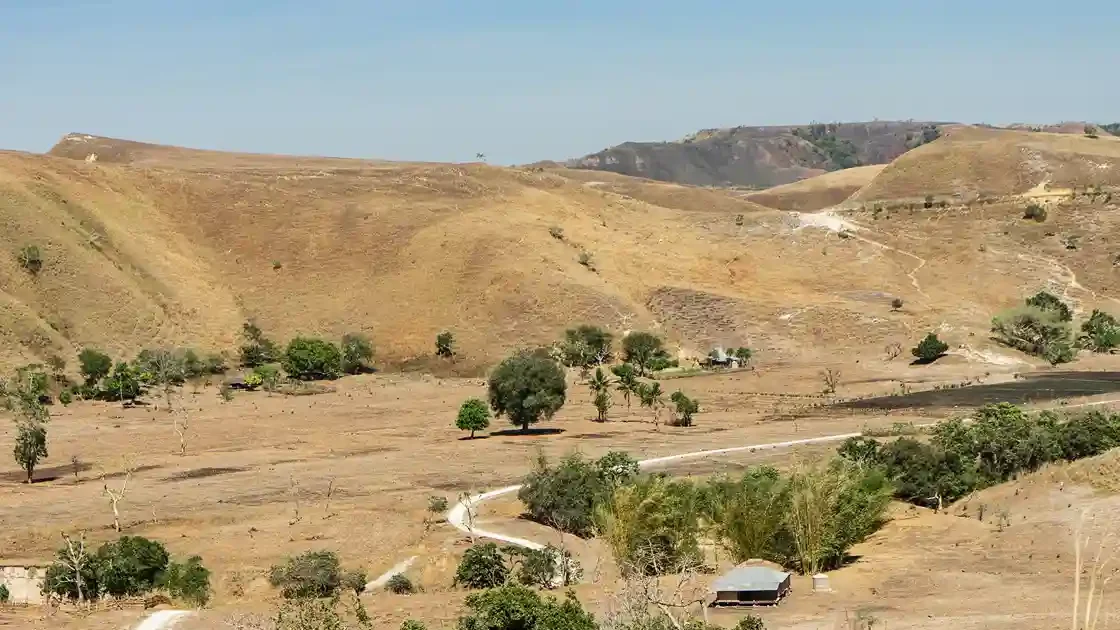
As Sumba transitions from its verdant wet season, the period from May through September emerges as a highly sought-after time for discerning travelers. The island sheds its heavy rains, giving way to consistently sunny days and lower humidity, creating ideal conditions for island exploration, including treks to magnificent waterfalls. During May and June, the waterfalls still benefit from the residual moisture of the preceding wet months, ensuring a strong, impressive flow. Trails, though still potentially a little muddy in places, become progressively drier and more navigable. This early dry season offers a sweet spot: powerful cascades without the inconvenience of torrential downpours or overly slick paths. By July and August, the landscape begins to brown slightly, a characteristic of Sumba’s dry savanna climate, yet the waterfalls remain a refreshing oasis. Water levels might recede slightly compared to the peak post-rain flow, but the clarity of the pools often improves, inviting a refreshing dip. Expect daytime temperatures averaging around 28-30°C (82-86°F), with cooler evenings. The chances of rain are minimal, often less than 5 days per month, ensuring uninterrupted outdoor adventures. This period, particularly July and August, coincides with European and North American summer holidays, making it a peak travel window.
Marine conditions during these months are typically excellent, with calm seas and exceptional visibility, often exceeding 20 meters (65 feet) for diving and snorkeling. This makes combining a waterfall expedition with world-class underwater exploration a seamless luxury. Resorts tend to be at full capacity, and advanced bookings, often 6-9 months in advance, are essential for securing preferred accommodations and experiences. Pricing for luxury villas and bespoke tours can be 20-30% higher than in the shoulder seasons. For example, a premier villa at a beachfront resort might command upwards of $1,000 per night during this period. Flights into Tambolaka (TMC) or Waingapu (WGP) also see increased demand, with premium economy fares from Jakarta or Bali potentially rising by 15-20%. The vibrant Pasola festival, a traditional spear-fighting ritual, often takes place in February or March, but smaller, local ceremonies and markets are more accessible during the dry season, offering cultural immersion alongside natural beauty.
Optimal Photography & Trekking Conditions
For photographers and avid trekkers, late May to early July presents an opportunity. The sun’s angle is favorable, casting fewer harsh shadows and providing ample light to capture the dramatic scale of a Sumba waterfall. Trails leading to these natural wonders, such as those near the Lapopu or Tanggedu regions, are generally well-maintained but require sturdy footwear. The absence of heavy rain means less risk of flash floods and clearer river crossings. Guided treks, often arranged through luxury resorts, ensure both safety and insightful cultural context, with expert local guides sharing knowledge of indigenous flora and fauna. A typical guided hike might span 2-3 hours, depending on the chosen waterfall’s accessibility. Consider a morning visit to avoid the midday sun and enjoy the soft, ethereal light that bathes the cascades. The air is crisp, carrying the earthy scent of the forest, a perfect sensory backdrop to the visual spectacle. Some itineraries combine a waterfall visit with a traditional village experience, offering a holistic view of Sumba’s natural and cultural heritage.
Shoulder Season Charms: April & October
The shoulder seasons of April and October offer a compelling alternative for those seeking the splendor of a Sumba waterfall with fewer crowds and more attractive pricing. April marks the immediate aftermath of the wet season, a period locally known as “transisi” or transition. The landscape is intensely green, saturated with life, and the waterfalls are at their most powerful, fed by the recent rains. The air carries a refreshing humidity, and while occasional showers can still occur, they are typically brief and localized, often followed by brilliant sunshine. Daytime temperatures range from 27-29°C (81-84°F), making for comfortable exploration. This month is particularly rewarding for photographers who appreciate the dramatic skies and the vibrant contrast of lush foliage against the deep blues of the sky. The trails are still drying out, so expect some muddy sections, but the payoff of seeing a truly magnificent Sumba waterfall in its full glory is immense. The island feels more serene, a tranquil escape before the peak season surge.
October, on the other hand, heralds the approach of the wet season. The landscape, having endured the long dry spell, begins to show signs of rejuvenation with the first sporadic rains. Waterfalls, while still flowing, might not possess the same raw power as in April or May, but they retain their majestic beauty. The atmosphere is often clearer, with fewer hazy days, offering stunning sunsets. Marine conditions remain generally good, though the occasional early storm might bring choppier waters towards the end of the month. Visibility for diving can still be excellent, often around 15-20 meters (50-65 feet). Crowds are noticeably thinner than in the dry season, allowing for more intimate experiences at popular sites. Luxury accommodations and bespoke tours may offer slight reductions, perhaps 10-15% off peak season rates, presenting an excellent value proposition. Flights, too, can be marginally more affordable, allowing for a more accessible luxury journey. These months are perfect for travelers who prioritize a balance of good weather, impressive natural beauty, and a sense of exclusive discovery.
The Wet Season’s Verdant Embrace: November to March
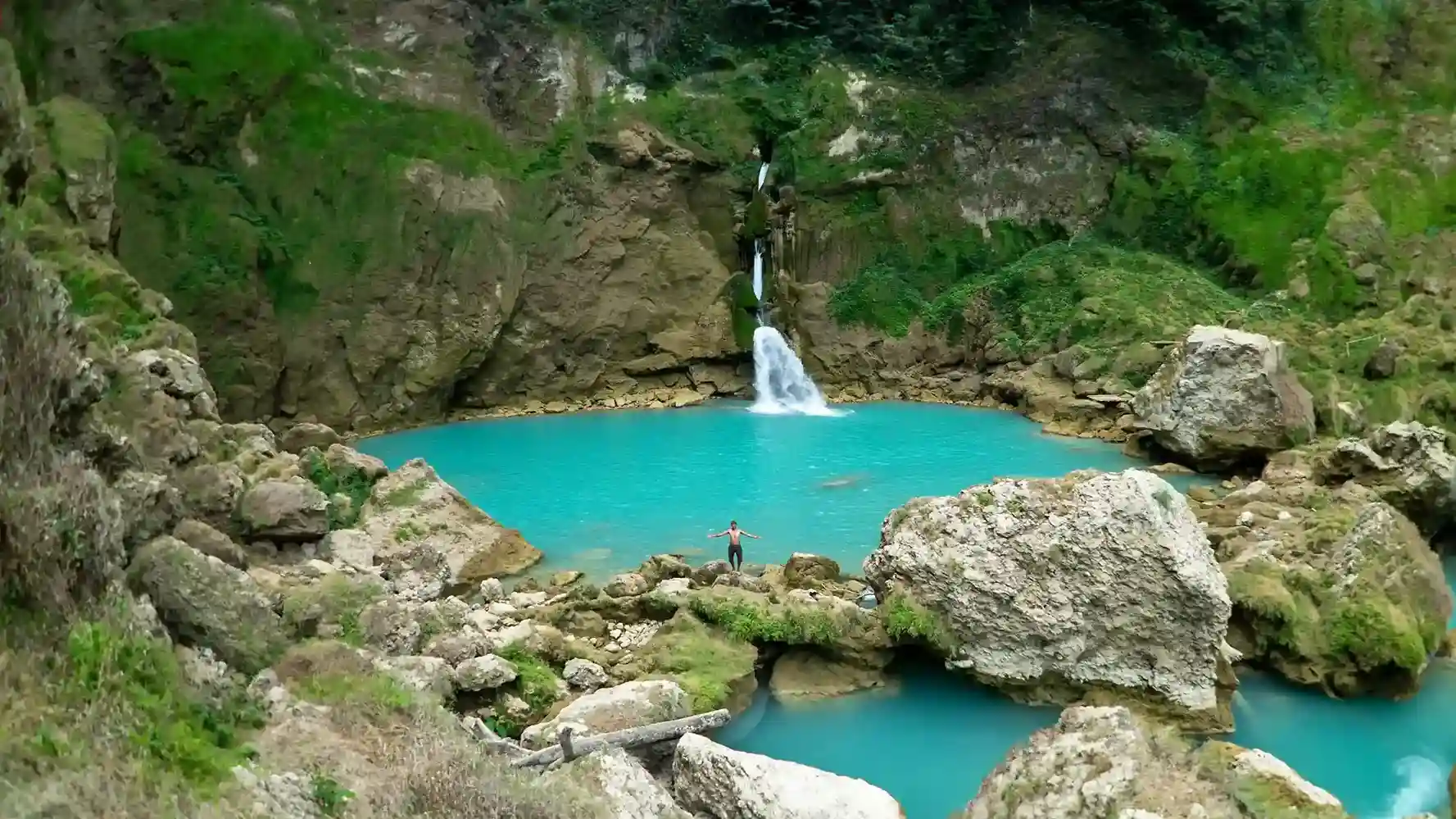
From November to March, Sumba enters its wet season, transforming the island into a canvas of vibrant greens. While this period brings more challenging travel conditions, it also offers a unique, intensely lush perspective on the island’s natural beauty, particularly its waterfalls. The rains, often heavy and prolonged, ensure that every Sumba waterfall roars with immense power, becoming truly spectacular torrents of water. The sheer volume and force are astounding, a sign of nature’s raw energy. However, accessibility becomes a significant consideration. Dirt roads leading to many of the more secluded waterfalls can become extremely muddy, deeply rutted, and sometimes impassable, even for 4×4 vehicles. River crossings swell, posing safety challenges. Guided tours are absolutely essential during this time, and even then, flexibility is key, as itineraries may need to be adjusted based on local weather and road conditions. Daily temperatures hover around 26-28°C (79-82°F), but humidity is high, often above 85%. Expect rain on 15-20 days per month, with downpours typically occurring in the afternoon.
Marine conditions during the wet season are generally less favorable for activities like diving and snorkeling. Heavy rainfall can reduce visibility in coastal waters, and stronger winds can lead to choppier seas, making boat excursions less comfortable or even impossible on some days. Surfing, however, can be excellent for experienced riders, as the wet season often brings larger swells to Sumba’s renowned breaks. Crowds are at their absolute minimum during these months, offering an sense of solitude and immersion. For the adventurous traveler who values exclusivity and the dramatic beauty of a rain-fed landscape, this can be a profoundly rewarding time. Pricing for luxury accommodations and bespoke experiences is typically at its lowest, often 25-40% below peak season rates, representing significant value. This can be an ideal time for a truly indulgent retreat, focusing on resort amenities and perhaps venturing out on an opportunistic basis. Airfares also tend to be more competitive, making the journey to Sumba more economical. While the challenges are real, the rewards — the sight of a truly colossal waterfall, the vibrant green landscape, and the serene quietude — are equally profound.
Crowds & Cultural Immersion: Finding Your Space
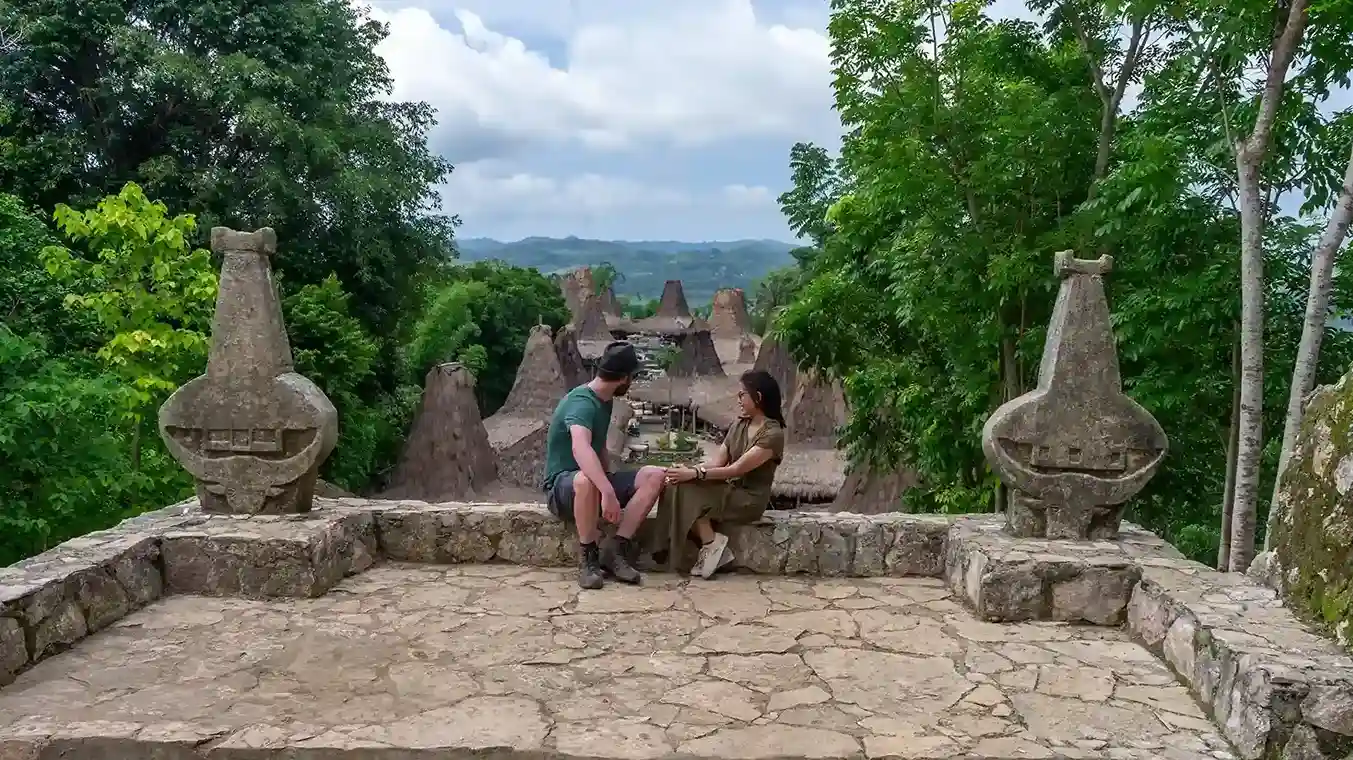
The rhythm of visitor flow on Sumba profoundly influences the atmosphere of both its natural attractions and cultural sites. During the peak dry season, particularly July and August, Sumba experiences its highest influx of international luxury travelers. This coincides with global holiday schedules, leading to a vibrant, yet more populated, island experience. While Sumba remains far from overcrowded compared to destinations like Bali, popular waterfalls and cultural villages will see more visitors. Booking guided tours well in advance is crucial to ensure personalized attention and access. Expect to share the vista at a prominent Sumba waterfall with a handful of other discerning guests, rather than having it entirely to yourself. This period also often features a greater number of cultural events and ceremonies, particularly around harvest times, offering rich opportunities for respectful engagement. However, these events can also draw local crowds, adding to the busy atmosphere. The energy is palpable, a mix of international curiosity and ancient traditions.
The shoulder seasons of April-June and October offer a delightful balance. Crowds are significantly lighter, allowing for a more serene and introspective experience. You might find yourself alone, or with just a few others, at a majestic Sumba waterfall, savoring the tranquility and the powerful natural symphony. This allows for more intimate interactions with local communities, as guides and villagers have more time for unhurried conversations and cultural exchanges. The sense of discovery feels more profound, as if you are truly uncovering Sumba’s secrets. During the wet season, from November to March, visitor numbers plummet to their lowest. This is the time for ultimate solitude. If your idea of luxury is having an entire landscape to yourself, braving the elements for an exclusive encounter with a roaring cascade, then this is your window. While some cultural events may be less frequent, the opportunities for deep, personal connection with the island’s spirit are amplified. Respecting local customs, such as offering a small gift when visiting traditional villages, is always appreciated, regardless of the season. (Wikipedia)
Accessing Value: Pricing Windows for Luxury Travel
For the astute luxury traveler, understanding Sumba’s pricing windows can significantly enhance the value of an extraordinary journey. The island’s remote allure and commitment to high-end, low-impact tourism mean that while Sumba is never a budget destination, there are distinct periods offering more favorable rates. The peak dry season, spanning July and August, commands the highest prices across the board. Expect luxury resorts to operate at full rack rates, with little to no room for negotiation. A premium beachfront villa, for instance, could easily exceed $1,200 per night. Bespoke tours, private transfers, and specialized activities like horseback riding or private surf lessons also see their peak pricing. Booking at least 9-12 months in advance is not uncommon for securing prime dates and preferred accommodations during this period, especially for iconic properties like Nihi Sumba. Flights from major hubs like Jakarta (CGK) or Denpasar (DPS) to Sumba’s airports can also be 20-30% higher than off-peak. This is the price for guaranteed sunshine, optimal conditions, and the vibrant energy of peak season.
The shoulder seasons, particularly April-June and October, offer the most compelling value proposition. During these months, luxury resorts often introduce special packages, extended stay discounts, or slightly reduced nightly rates, typically 10-20% less than peak season. This allows for an elevated experience at a more accessible price point. For example, a resort might offer a 4-for-3 night special, or include complimentary spa treatments or curated excursions. Airfares also tend to be more competitive, making the overall travel budget stretch further. This window provides an excellent balance of superb weather, robust waterfall flow, and a more serene atmosphere without sacrificing luxury. The wet season, from November to March, presents the lowest pricing. Discounts on luxury accommodations can range from 25-40%, making it possible to experience Sumba’s top-tier resorts at a significant saving. While the weather demands flexibility, the value is undeniable for those who prioritize exclusivity and dramatic natural beauty. Many properties offer enticing long-stay promotions or all-inclusive packages during this time, transforming a challenging season into an opportunity for indulgence. Consider booking 3-6 months in advance during shoulder seasons and 1-3 months for the wet season to secure good deals. (gov.id)
Sumba, with its captivating blend of ancient culture and untamed nature, calls to the discerning traveler. Whether you seek the thundering power of a Sumba waterfall under a clear blue sky, the serene quietude of a secluded cascade, or the exhilarating challenge of its renowned surf breaks, understanding the island’s seasonal nuances is the key to accessing your perfect journey. From the vibrant peak of the dry season to the lush, intimate embrace of the wet months, Sumba offers a distinct experience for every preference. Begin planning your bespoke escape today, and let the timeless magic of this Indonesian jewel unfold before you. Discover the Sumba that awaits, precisely when it’s best for you.