Welcome to our curated guide on sumba waterfall — the definitive resource for premium options across Indonesia.
The scent of wet earth and distant frangipani hangs in the humid air of Sumba, a prelude to the island’s dynamic hydrological features. Water descends over ancient rock formations, shaping the landscape and defining the rhythms of life across this Indonesian expanse.
Air Terjun Lapopu: Cascades of West Sumba
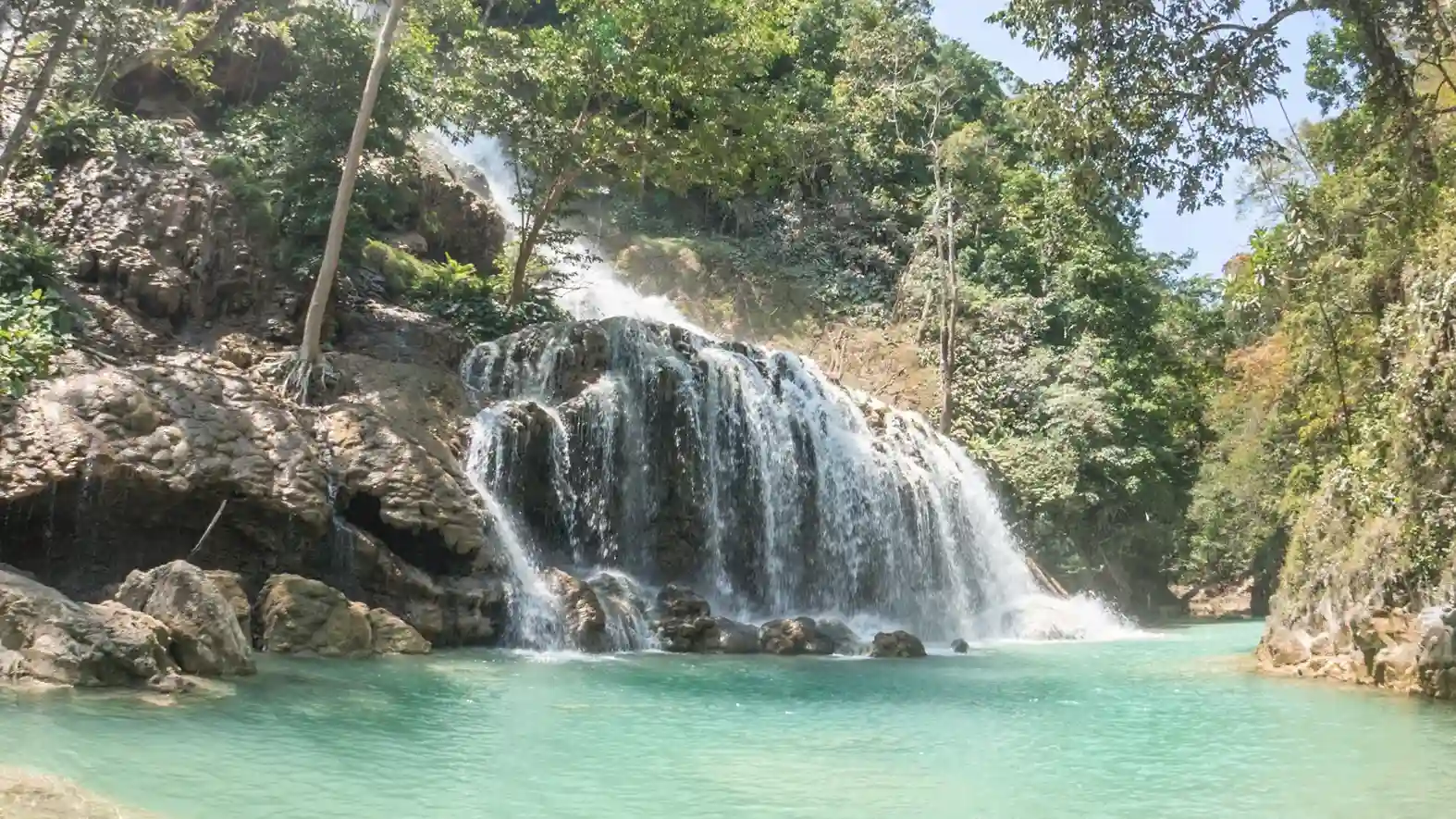
Air Terjun Lapopu presents a formidable natural spectacle in West Sumba Regency. This waterfall has an approximate height of 90 metres, making it one of Sumba’s most significant vertical drops. It is located within Manupeu Tanah Daru National Park, an area critical for biodiversity conservation on the island. The coordinates of Air Terjun Lapopu are approximately 9.678861°S, 119.492889°E. Reaching Lapopu typically involves a journey from Waikabubak, the capital of West Sumba Regency. The waterfall is situated roughly 30 kilometres from Waikabubak, a drive that often traverses winding roads and offers views of traditional Sumbanese villages. The final approach to the falls involves a trek through dense vegetation, a path maintained for visitors but retaining its natural character. The flow of water at Lapopu is generally robust, particularly during the wet season from November to April, creating a powerful visual and auditory experience. The surrounding area supports a unique ecosystem, contributing to the ecological importance of Manupeu Tanah Daru National Park. Planning a visit requires consideration of travel time and local guide arrangements to navigate the terrain effectively. Access to the national park is regulated, and entrance fees apply, contributing to the upkeep of the site.
Tanggedu Waterfall: East Sumba’s Canyon Formations
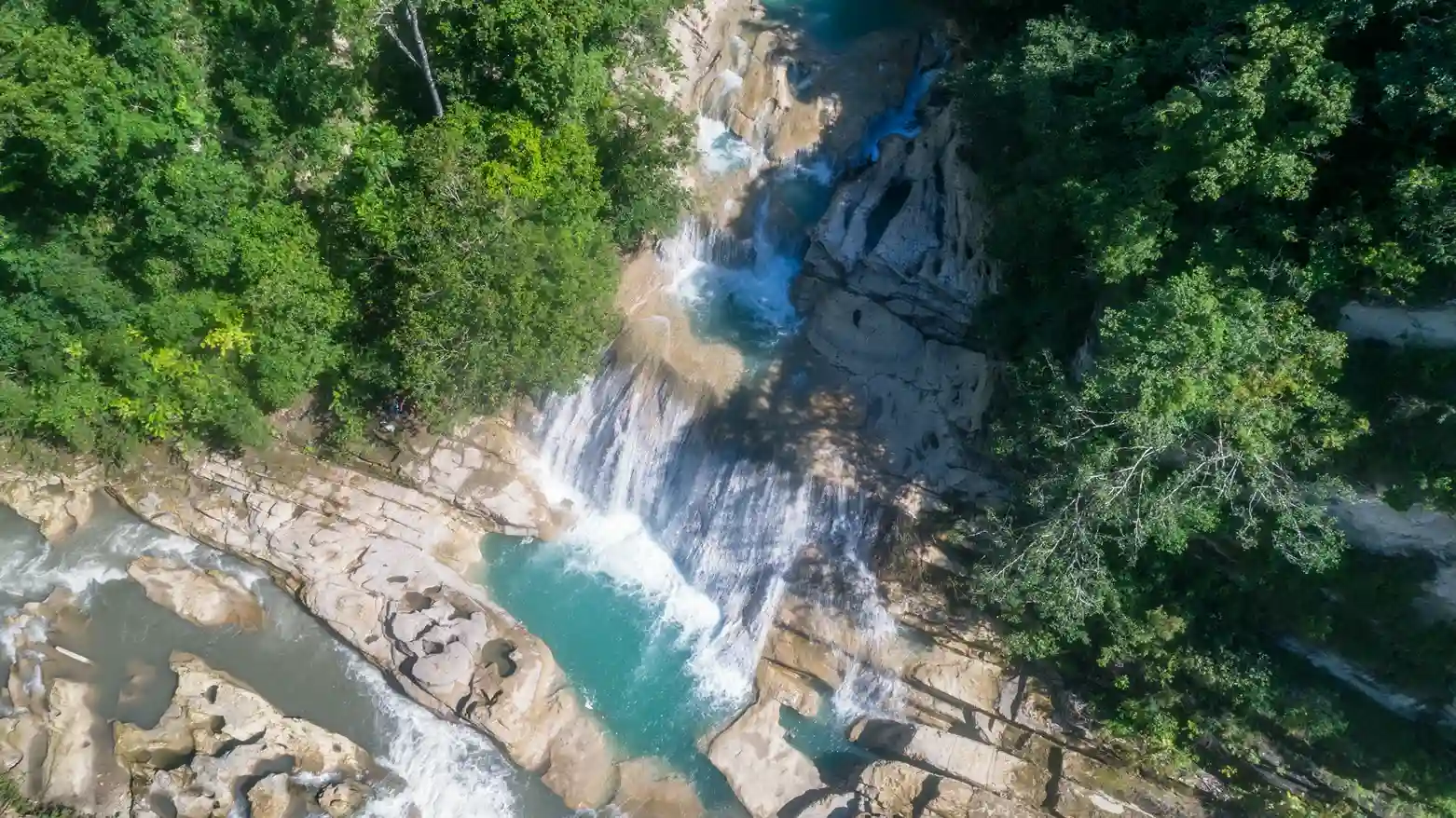
Tanggedu Waterfall, often referred to as Tanggedu Canyon, offers a distinctive landscape in East Sumba. This site is characterised not only by its falling water but also by the sculpted rock formations that define its course. Tanggedu Waterfall is situated approximately 50 kilometres north-west of Waingapu, the capital city of East Sumba Regency. The journey from Waingapu typically involves driving through dry savannah and past scattered villages, culminating in a trek to the canyon. The path to Tanggedu can be challenging, particularly during the rainy season, requiring sturdy footwear and an awareness of slippery surfaces. The geology of Tanggedu reveals layers of sedimentary rock, eroded over millennia by the river, creating natural pools and distinctive rock walls. The water flow here is less about a single, dramatic drop and more about a series of cascades and pools within a confined canyon. These features make it a compelling location for landscape photographers seeking unique geological compositions. The ambient temperature in this region of Sumba can be high, particularly during the dry season from May to October, necessitating adequate hydration. Local guides are often available in the nearby villages and can provide assistance with navigation and offer insights into the local environment and culture. The area surrounding Tanggedu is less developed than some other Sumba attractions, offering a more rustic experience.
Air Terjun Waimarang: The Turquoise Pools of Southwest Sumba
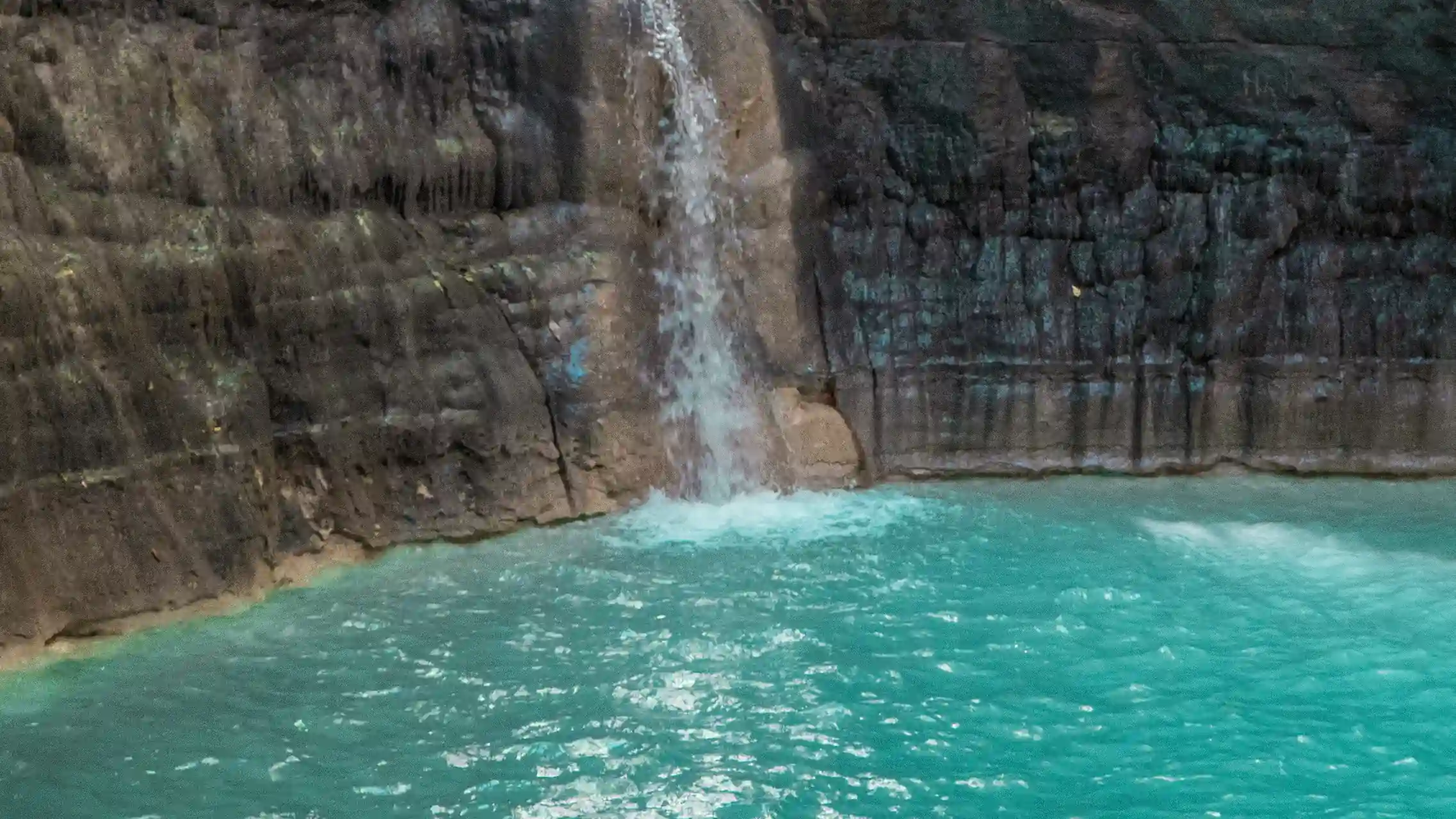
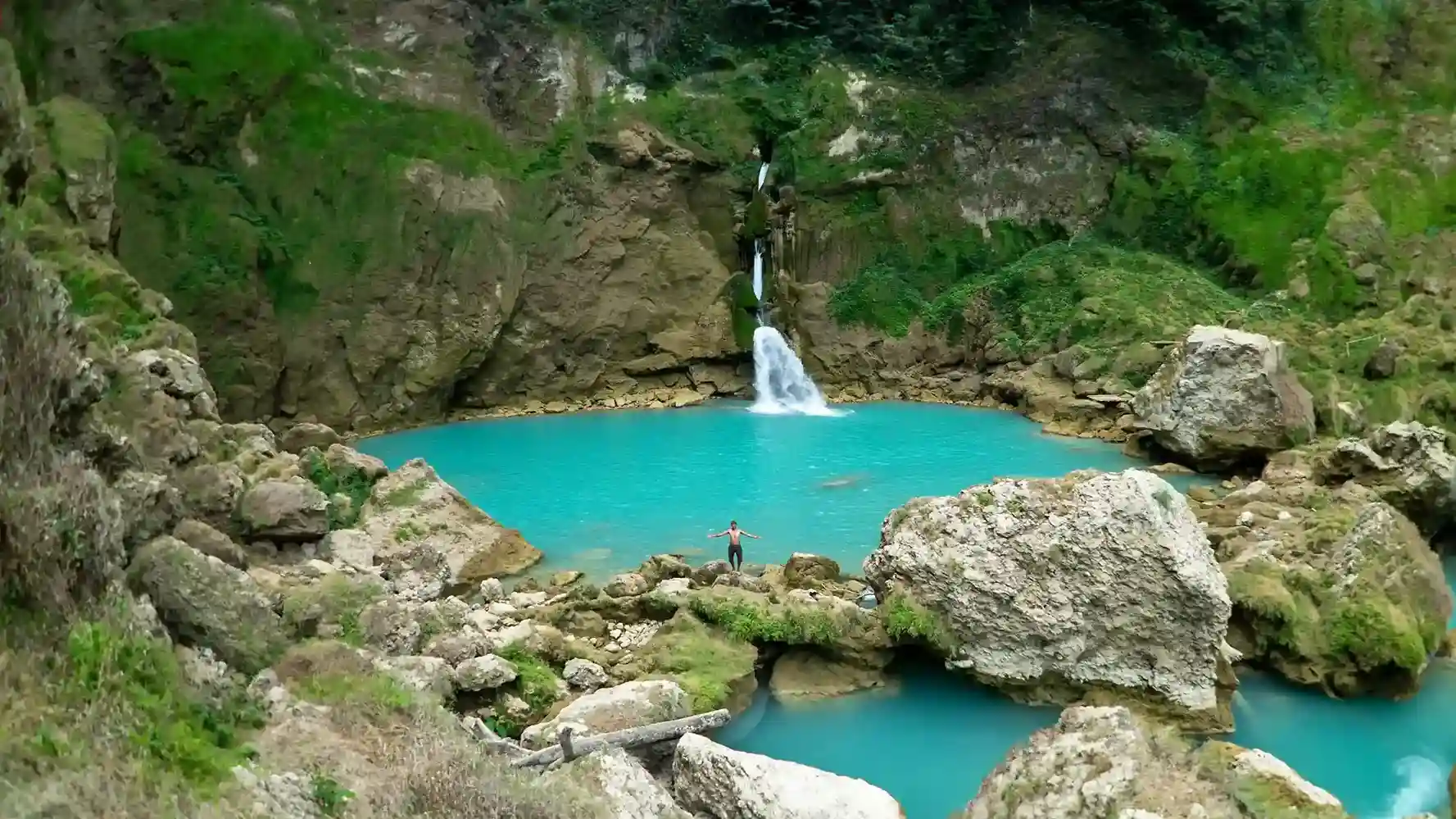
Air Terjun Waimarang, located in Southwest Sumba, is distinguished by its unique natural pool and the vibrant turquoise hue of its water. Access to Waimarang typically begins from Waikabubak or Tambolaka, the main towns in West and Southwest Sumba respectively. The drive often takes visitors through rural landscapes, passing traditional houses and agricultural fields. The final segment of the journey to Waimarang involves a descent through a steep valley, requiring careful footing and a moderate level of physical fitness. The path itself is unpaved and can be uneven, especially after rainfall. Upon reaching the waterfall, visitors encounter a deep, circular pool fed by a cascade that drops into a natural amphitheatre of rock. The distinct colour of the water is attributed to minerals present in the bedrock and the way light interacts with the depth of the pool. This unique geological formation creates a sheltered environment, often cooler than the surrounding open areas. The site is a popular location for swimming and photography, particularly for capturing the interplay of light and water. While specific height measurements for Waimarang are not widely documented, its appeal lies more in its aesthetic and the quality of its pools rather than a towering drop. The area around Waimarang is relatively undeveloped, with limited facilities, emphasizing its natural state. Respect for the local environment and community protocols is important when visiting.
Sumba Island: A Geographical Overview
Sumba Island, an integral part of East Nusa Tenggara, Indonesia, extends across an area of approximately 10,710 to 10,909.55 square kilometres. This makes it one of the larger islands in the province, significantly influencing its climate and ecological diversity. The island’s geography is characterised by a mix of rolling hills, dry savannahs, and rugged coastlines, with elevations varying across its expanse. The climate is distinctly tropical, experiencing a pronounced wet season from November to April and a dry season from May to October. This seasonal variation profoundly impacts the flow and accessibility of the island’s waterfalls. During the wet season, water levels are higher, making some trails more challenging but enhancing the visual impact of the falls. Conversely, the dry season can reduce water flow, particularly in smaller cascades, but offers clearer skies and easier trekking conditions. Sumba’s geological history contributes to its unique landscapes, including the formation of its numerous waterfalls and canyons. The island’s position within the Wallacea biogeographical zone also means it hosts a diverse range of endemic flora and fauna. Understanding Sumba’s geographical context is essential for planning any itinerary, as distances between key locations like Waingapu in the east and Waikabubak in the west are considerable. For more information on Sumba’s geography, refer to Wikipedia’s Sumba page.
Sumba Waterfall Trekking Routes and Logistics

Understanding the trekking routes to Sumba’s waterfalls requires careful planning and an understanding of local conditions. For Air Terjun Lapopu, located approximately 30 kilometres from Waikabubak, the route involves a drive followed by a moderate hike within Manupeu Tanah Daru National Park. The final trail segment includes stairs and a well-defined path, though it can become slippery after rain. Tanggedu Waterfall, situated about 50 kilometres north-west of Waingapu, presents a different challenge. The road access can be rough, particularly towards the end, and the trek to the canyon involves traversing rocky terrain and sometimes shallow river crossings. Waimarang, while not having a precise distance from a major town verified here, generally requires a significant drive from either Waikabubak or Tambolaka, followed by a steep descent into the valley. All these routes benefit from the assistance of local guides, who possess knowledge of the terrain, weather patterns, and local customs. Guides can be arranged through accommodations or local tour operators in Waingapu, Waikabubak, or Tambolaka. Transportation options include rented vehicles, often with a driver, as public transport to these remote locations is limited. Pricing for guides and transportation varies depending on the duration and complexity of the trip, but transparent quotes are typically available. For further context on the region, consult Southwest Sumba Regency on Wikipedia.
Eco-tourism and Nature Photography at Sumba Waterfalls
Sumba’s waterfalls offer significant opportunities for eco-tourism and nature photography, aligning with principles of responsible travel. Air Terjun Lapopu, within Manupeu Tanah Daru National Park, exemplifies an area where conservation efforts are paramount. Photographers capture its 90-metre cascade and the surrounding lush vegetation, often focusing on long exposures to soften the water’s movement. The biodiversity within the national park also presents subjects for macro photography and birdwatching. Tanggedu Waterfall’s unique canyon formations and layered rock faces provide a distinct geological backdrop. Photographers often document the interplay of light and shadow on the sculpted rock, particularly during early morning or late afternoon. The natural pools within the canyon offer reflective surfaces. Air Terjun Waimarang’s turquoise pool and natural rock amphitheatre are ideal for capturing vibrant colour contrasts and the serene beauty of a secluded natural setting. Ethical photography practices, such as avoiding disturbance to wildlife and respecting local cultural sensitivities, are crucial. Eco-tourism in Sumba also involves supporting local communities through the engagement of guides and the purchase of local goods. Minimising environmental impact, such as proper waste disposal and staying on marked trails, preserves these natural sites for future visitors. For more on specific waterfalls, refer to Air Terjun Lapopu on Wikipedia Indonesia.
Planning your journey to these remarkable Sumba waterfalls? Our independent guide offers detailed itineraries, verified facts, and honest pricing contexts to help you navigate your adventure. Discover what’s included in our bespoke Sumba waterfall tours and compare alternatives to ensure your visit aligns with your expectations and budget. Begin your Sumba exploration with us.