
Sumba, an island of significant scale within East Nusa Tenggara, Indonesia, presents a compelling destination for those drawn to natural water features. With an area approximately between 10,710 and 10,909.55 square kilometres, the island’s topography supports numerous waterfalls, each with distinct characteristics. Understanding the seasonal variations is crucial for planning an effective visit, particularly for photographers and serious travellers seeking specific conditions.
Understanding Sumba’s Climate Cycles
Sumba experiences a tropical savanna climate, characterized by distinct wet and dry seasons. The dry season typically extends from May to October, while the wet season runs from November to April. This climatic pattern directly influences the accessibility, visual appeal, and overall experience at the island’s waterfalls. During the dry months, rainfall is minimal, leading to clearer skies and less humid conditions. This stability is particularly advantageous for outdoor activities and photography, as trails are less slippery and river levels are more predictable. Conversely, the wet season brings heavy downpours, which can swell rivers, make roads impassable, and increase the risk of flash floods. For instance, Air Terjun Lapopu, with its approximate height of 90 metres, within Manupeu Tanah Daru National Park, benefits from the dry season’s stable weather. Its coordinates are about 9.678861°S, 119.492889°E, and stable conditions enhance the journey to this significant site. The 30-kilometre journey from Waikabubak, the capital of West Sumba Regency, is considerably smoother during this period.
Dry Season Advantages: May to October
The dry season is generally considered the best time for a visit. During these months, the sun is more consistent, providing excellent lighting for photography. Water levels in the waterfalls are still robust, fed by the previous wet season’s rainfall, but the surrounding rivers are less turbulent. This period also aligns with cultural festivals in some parts of Sumba, offering an additional dimension to the travel experience. Access roads, often unpaved, are less prone to damage and erosion, ensuring a smoother journey to more remote locations like Tanggedu Waterfall, situated about 50 kilometres north-west of Waingapu, the capital city of East Sumba Regency. The reduced humidity also makes hiking and extended exploration more comfortable. For photographers, the dry season offers clearer water, allowing for better long-exposure shots without excessive turbidity.
Wet Season Considerations: November to April
While the dry season is generally preferred, the wet season also presents unique aspects, albeit with increased challenges. During these months, the landscape transforms into a vibrant green, contrasting sharply with the drier, golden hues of the other season. The waterfalls, including Lapopu and Waimarang, reach their maximum volume, creating powerful displays of water. However, heavy rains can make trails extremely muddy and slippery, posing safety risks and significantly increasing travel times. River crossings, common on routes to some waterfalls, become more dangerous due to higher water levels and stronger currents. The visibility for photography can also be compromised by persistent cloud cover and mist. Air Terjun Lapopu, lying within Manupeu Tanah Daru National Park in West Sumba Regency, experiences this increased flow. While visually dramatic, the logistical difficulties increase significantly. Travellers must weigh the desire for maximal water flow against the practicalities of access and safety.
Navigating Challenges During Peak Flow
For those determined to visit during the wet season, careful planning and preparedness are paramount. Four-wheel-drive vehicles are often necessary for navigating unpaved and waterlogged roads. Local guides become even more indispensable, possessing knowledge of safe routes and current conditions. Flexibility in itineraries is also key, as sudden downpours can necessitate delays or changes in plans. Waterproof gear is essential, not only for personal comfort but also for protecting camera equipment. The rewards can be significant, however, as the sheer power of the waterfalls at their peak is an awe-inspiring sight. The verdant surroundings also offer a different aesthetic for landscape photography. Yet, the increased risks associated with slippery paths and strong currents around the falls themselves should not be underestimated.
Specific Waterfall Considerations: Lapopu, Tanggedu, Waimarang
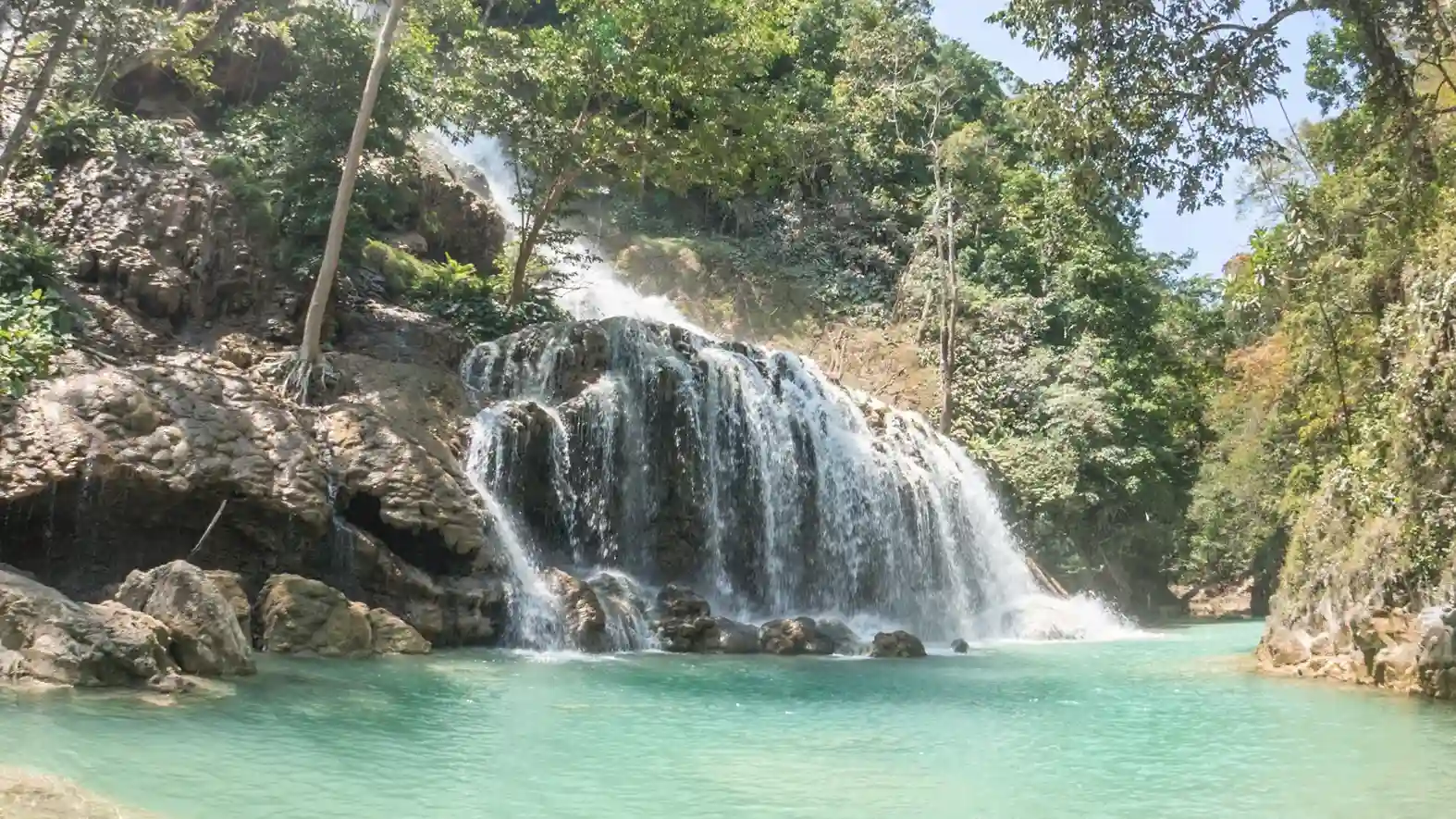
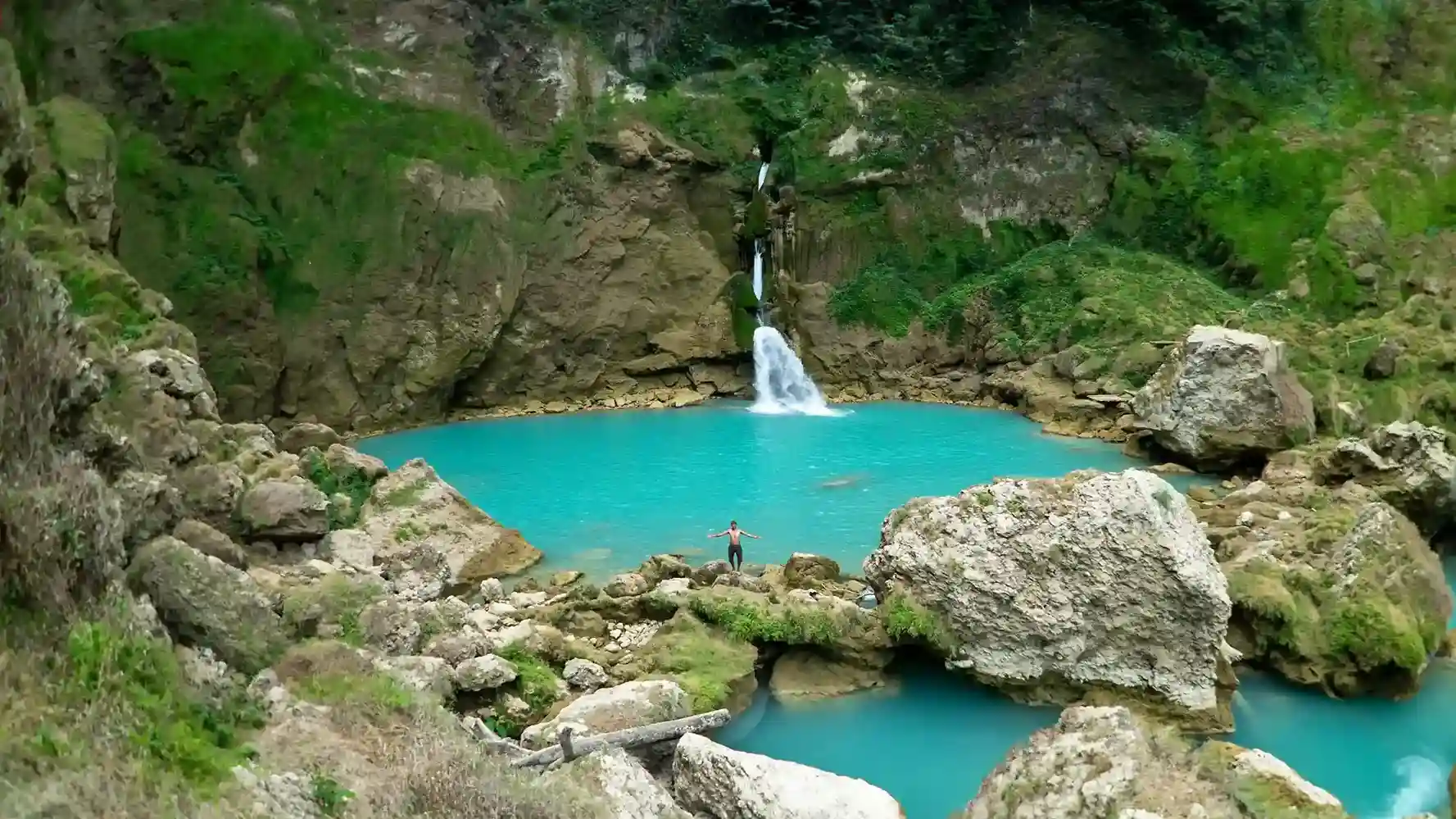
Each major waterfall on Sumba presents its own set of conditions and optimal visiting times, although the overarching seasonal patterns apply. Air Terjun Lapopu, approximately 90 metres high, offers a multi-tiered cascade. During the dry season, its pools are clearer and more inviting, and the walk from the parking area is less strenuous. The coordinates of Air Terjun Lapopu are about 9.678861°S, 119.492889°E, and its location within Manupeu Tanah Daru National Park ensures a relatively regulated environment. The journey from Waikabubak, roughly 30 kilometres, is manageable. Tanggedu Waterfall, about 50 kilometres north-west of Waingapu, is known for its unique rock formations and natural pools. Access to Tanggedu can be particularly challenging during the wet season due to river crossings and rough terrain. The dry season ensures the most comfortable and safest passage to this remote site. Waimarang Waterfall, another prominent site, also benefits from the dry season’s stable conditions, allowing for easier navigation to its distinctive blue pools.
Logistics and Planning for Each Site
For Air Terjun Lapopu, located within Manupeu Tanah Daru National Park in West Sumba Regency, the dry season ensures that the access road from Waikabubak, a distance of approximately 30 kilometres, remains in its best condition. The trail down to the falls, while well-maintained, can become slick with rain. Tanggedu Waterfall, situated about 50 kilometres north-west of Waingapu, requires a more rugged approach. The river crossings on the path to Tanggedu are significantly safer and shallower during the dry months. Waimarang, often accessed via a challenging trek, also becomes more approachable when the ground is dry and firm. Regardless of the season, engaging local guides is highly recommended for all these locations, offering both safety and insightful cultural context. Their expertise is invaluable for understanding real-time conditions and understanding the terrain efficiently.
Photography Considerations Across Seasons
Photographers targeting Sumba’s waterfalls must adapt their approach to the prevailing season. During the dry season, the consistent sunlight provides ample illumination, allowing for faster shutter speeds and sharper images. The clearer water in the pools and rivers also enhances reflections and allows for detailed underwater photography if conditions permit. Filters, such as polarizers, are particularly effective for managing glare and enhancing saturation under bright skies. During the wet season, the challenge shifts to managing low light, mist, and rain. Tripods become essential for long exposures to capture the silky movement of the heavily flowing water. Weather-sealed camera bodies and lenses, along with rain covers, are crucial for protecting equipment from the elements. The dramatic skies and lush green surroundings offer a different aesthetic, often moody and powerful, which can result in compelling imagery for those prepared to face the conditions. Capturing the full 90 metres of Air Terjun Lapopu, for instance, requires careful lens selection and positioning, which is easier with stable footing.
Optimizing Your Shots
For optimal results, consider visiting waterfalls early in the morning during the dry season to capitalize on softer light and fewer crowds. The golden hour just after sunrise or before sunset can also yield spectacular results with warm, directional light. During the wet season, overcast days can provide a natural softbox effect, reducing harsh shadows and creating a more even light distribution, which is ideal for capturing the verdant landscape and powerful water flow. Focus on composition that highlights the scale and power of the falls, such as Air Terjun Lapopu’s approximate height of 90 metres. Integrating elements like the surrounding jungle or unique rock formations can add depth and context to your images. Always carry extra batteries, as varying temperatures and long exposures can drain power quickly. Sumba Island offers diverse photographic opportunities. More information on the region can be found on Wikipedia Indonesia. For details on specific regencies like West Sumba, consult Southwest Sumba Regency on Wikipedia, and for Air Terjun Lapopu, refer to Air Terjun Lapopu on Wikipedia Indonesia.