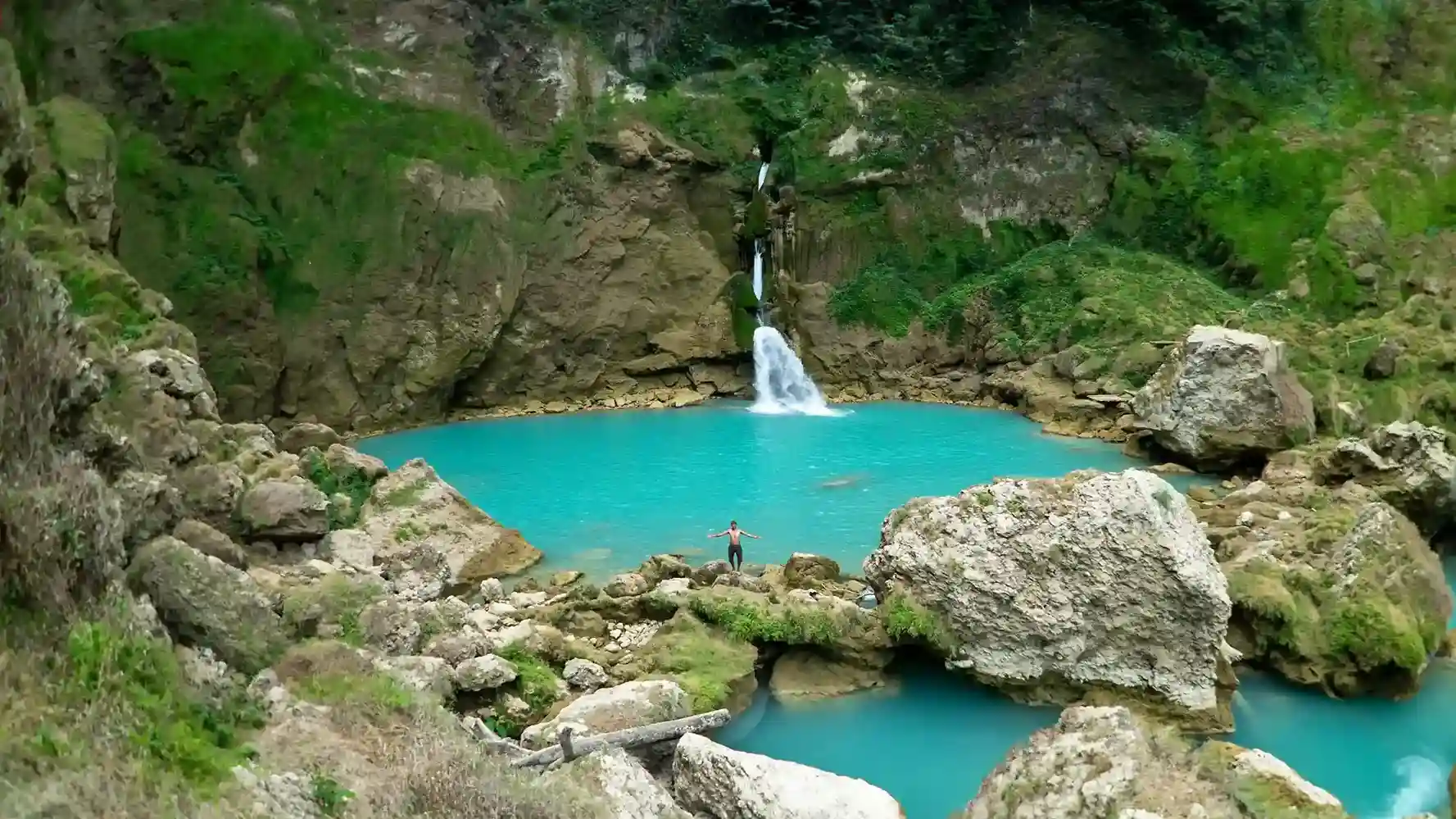
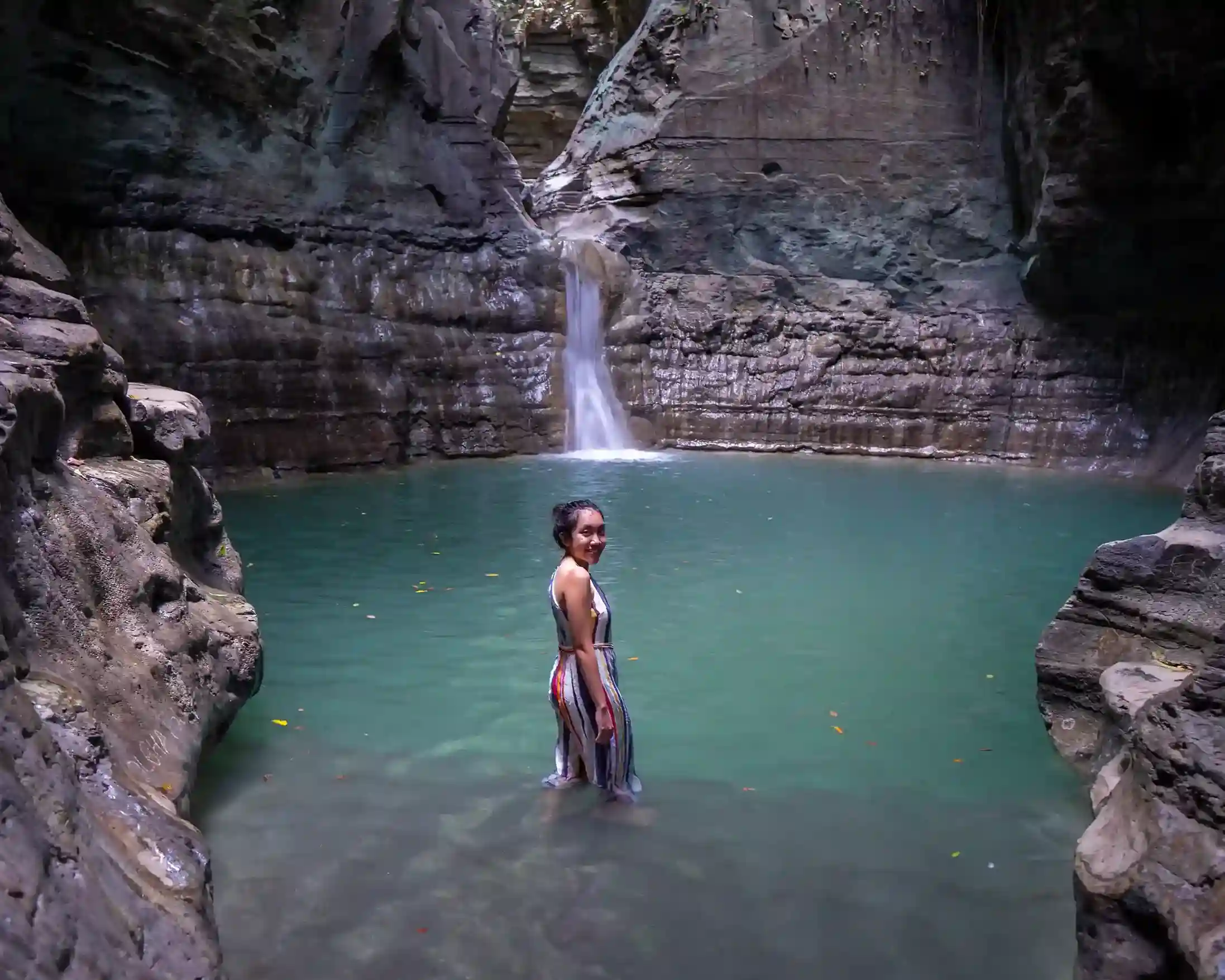
Sumba Island, an expanse of about 10,710–10,909.55 square kilometres within East Nusa Tenggara, Indonesia, holds a collection of powerful natural landscapes. Among these, the island’s waterfalls stand as primary draws for travelers and photographers. While Air Terjun Lapopu and Tanggedu Waterfall are established names, Air Terjun Wai Marang presents a different facet of Sumba’s hydrogeological character. Understanding its specific attributes is essential for planning a visit.
Locating Air Terjun Wai Marang
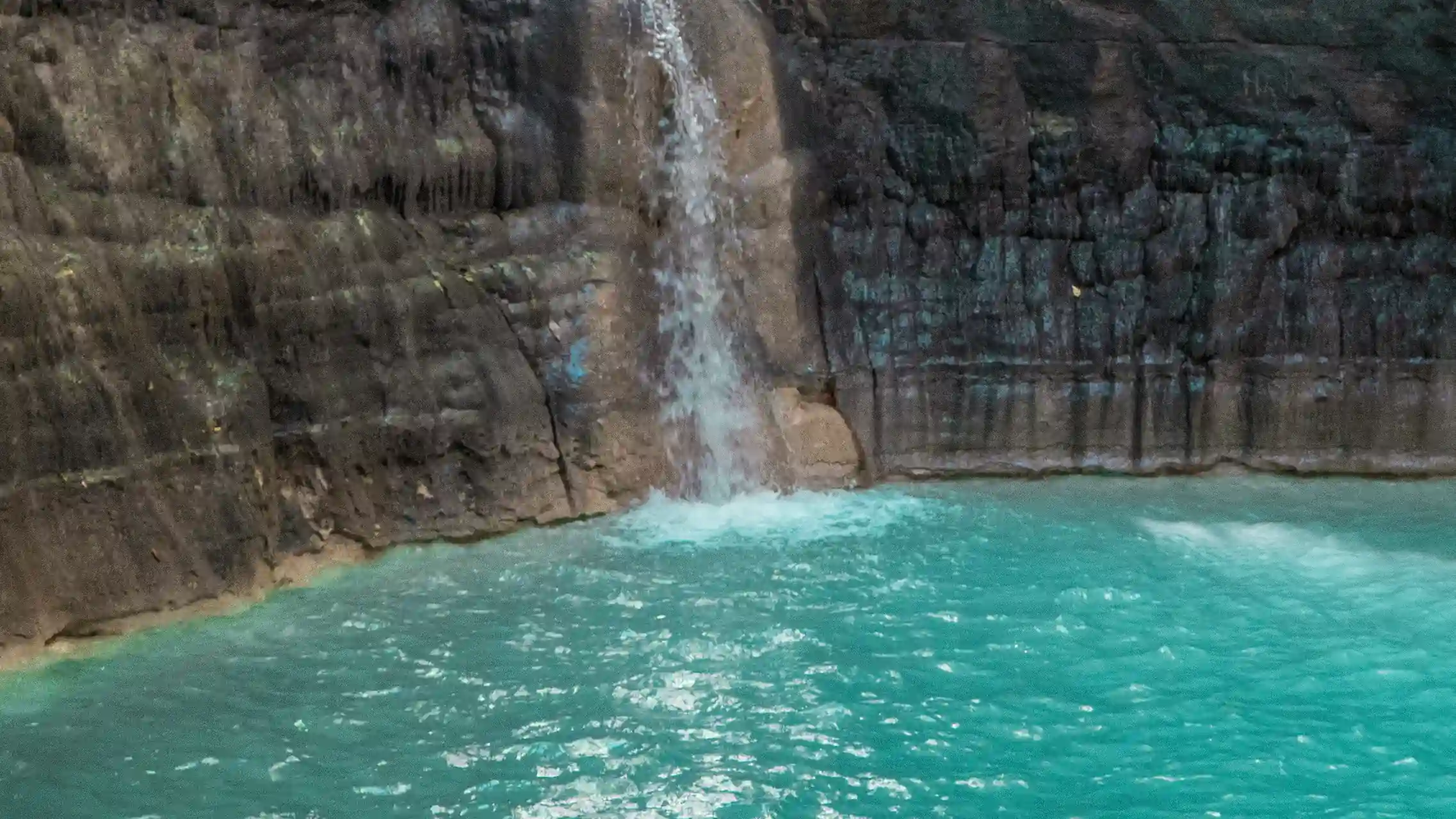
Air Terjun Wai Marang is situated in the Southwest Sumba Regency. This region of Sumba offers a distinct geographical profile compared to the western and eastern parts of the island. Travel to Wai Marang generally involves navigating local roads that can vary in condition, particularly during the wet season. Unlike Air Terjun Lapopu, which lies within Manupeu Tanah Daru National Park, Wai Marang operates under local community management, influencing access and visitor protocols. Air Terjun Lapopu, for instance, is located roughly 30 kilometres from Waikabubak, the capital of West Sumba Regency, and is well-signposted. Wai Marang requires more detailed local guidance. The island itself is a significant landmass within the Indonesian archipelago, providing diverse environments across its approximately 10,710–10,909.55 square kilometres. Preparedness for varied terrain is crucial for reaching Wai Marang.
The Distinctive Character of Wai Marang
Wai Marang sets itself apart from other Sumba waterfalls through its tiered structure and the vibrant color of its water. The falls descend in multiple levels, forming a series of natural pools that exhibit a striking turquoise hue. This coloration is often attributed to mineral content and the interaction of sunlight with the water. Air Terjun Lapopu, by contrast, is known for its single, powerful cascade, with an approximate height of 90 metres, falling into a broader river system. The coordinates of Air Terjun Lapopu are about 9.678861°S, 119.492889°E, highlighting its precise location within a national park framework. Wai Marang’s appeal lies in its more intimate, swimmable pools, offering a direct interaction with the water that differs from the observation-focused experience at Lapopu or the dramatic gorge of Tanggedu. Tanggedu Waterfall is situated about 50 kilometres north-west of Waingapu, the capital city of East Sumba Regency, presenting yet another distinct geological formation.
Access and Approach Considerations
Reaching Air Terjun Wai Marang involves a trek from the nearest road access point. The duration and difficulty of this trek depend on the starting point and current trail conditions. Visitors should anticipate a descent, often involving uneven paths and potentially slippery sections, especially after rainfall. Proper footwear with good grip is non-negotiable. The approach to Air Terjun Lapopu, while still requiring some walking, is generally more developed due to its national park status. Air Terjun Lapopu is located roughly 30 kilometres from Waikabubak, the capital of West Sumba Regency, and benefits from established infrastructure. Wai Marang’s access reflects its more remote and less-developed setting, necessitating greater self-reliance and awareness of the natural environment. The overall area of Sumba Island, approximately 10,710–10,909.55 square kilometres, allows for significant variations in landscape and accessibility across its regions.
Photography at Wai Marang
For photographers, Wai Marang offers unique compositions due to its multi-tiered structure and the distinct color of its pools. Wide-angle lenses are effective for capturing the overall scene, while telephoto lenses can isolate specific cascades or details of the rock formations. The turquoise water against the natural rock provides a strong color contrast. Optimal lighting conditions are crucial; mid-morning or late afternoon light can enhance the water’s vibrancy and create appealing shadows. Comparatively, photographing Air Terjun Lapopu, with its approximate height of 90 metres, often focuses on capturing the scale and power of the single drop. The coordinates of Air Terjun Lapopu are about 9.678861°S, 119.492889°E, positioning it within a landscape that often includes surrounding forest. Wai Marang’s photographic potential lies in its intricate details and the interplay of light and water within its segmented structure.
Comparing Wai Marang with Lapopu and Tanggedu
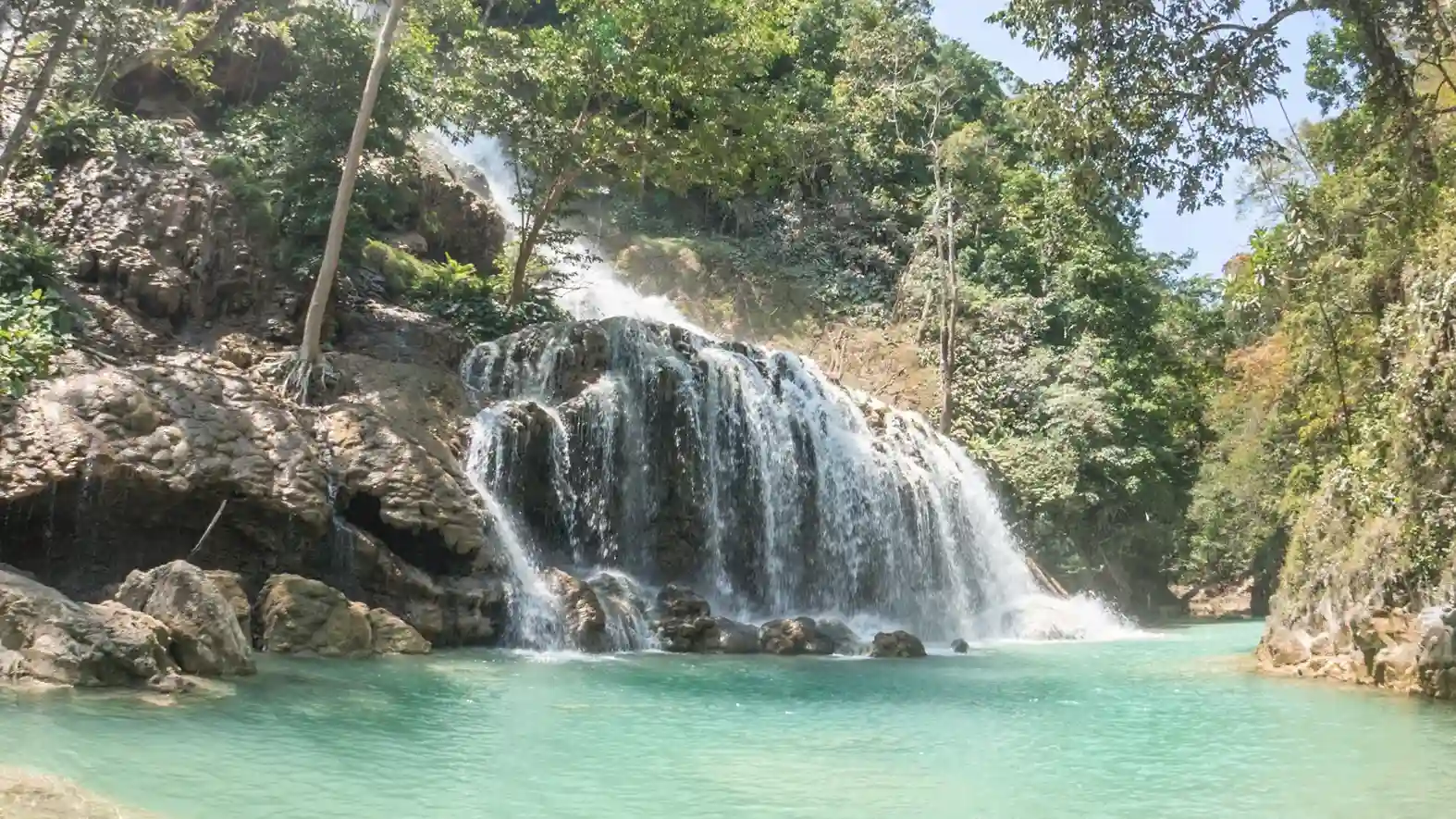
Understanding Wai Marang’s place among Sumba’s waterfalls requires a brief comparison. Air Terjun Lapopu, located within Manupeu Tanah Daru National Park in West Sumba Regency, is characterized by its significant height of approximately 90 metres and its powerful single cascade. It is roughly 30 kilometres from Waikabubak, the capital of West Sumba Regency. Lapopu offers a grand, awe-inspiring spectacle. Tanggedu Waterfall, situated about 50 kilometres north-west of Waingapu, the capital city of East Sumba Regency, presents a different experience with its strong flow carving through a dramatic gorge, often requiring a longer, more challenging trek. Wai Marang, conversely, provides a more interactive experience with its accessible, turquoise-colored pools and terraced falls. While Lapopu emphasizes scale and Tanggedu emphasizes raw power and geological drama, Wai Marang focuses on intimate beauty and the opportunity for direct engagement with the water. Sumba Island, an area of about 10,710–10,909.55 square kilometres, offers this diversity in its hydrogeological features. Each Sumba waterfall provides a distinct encounter with the island’s natural environment.
Visitor Etiquette and Safety
Visiting Air Terjun Wai Marang requires adherence to responsible travel practices. Respect for the local community and the natural environment is paramount. This includes proper waste disposal, minimizing disturbance to flora and fauna, and observing any local guidelines regarding access or activities. Safety precautions are also critical. The pathways can be slippery, and the rocks around the falls may be unstable. Visitors should assess their swimming abilities before entering the pools and be aware of potential currents. Unlike Air Terjun Lapopu, which has some visitor infrastructure due to its national park status, Wai Marang is a more natural, less-managed site. Air Terjun Lapopu, with its approximate height of 90 metres, has designated viewing areas. Wai Marang demands a greater degree of personal responsibility for safety. The island of Sumba, encompassing about 10,710–10,909.55 square kilometres, offers varied terrain and conditions, making awareness and preparation vital for any exploration.
Learn more about Sumba Island and its geography, or explore the details of Air Terjun Lapopu. Understanding the regional context of Southwest Sumba Regency is also beneficial.