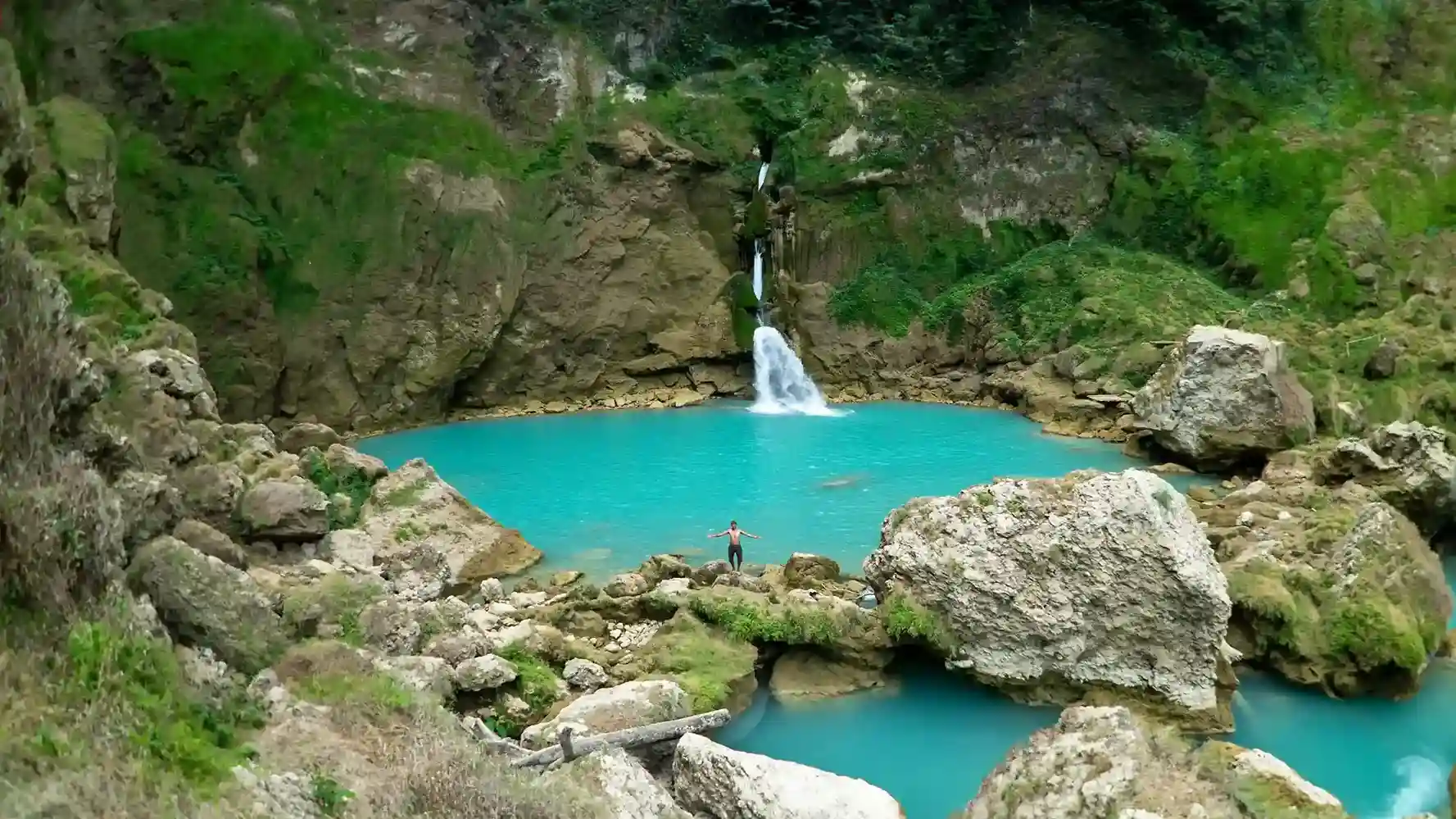
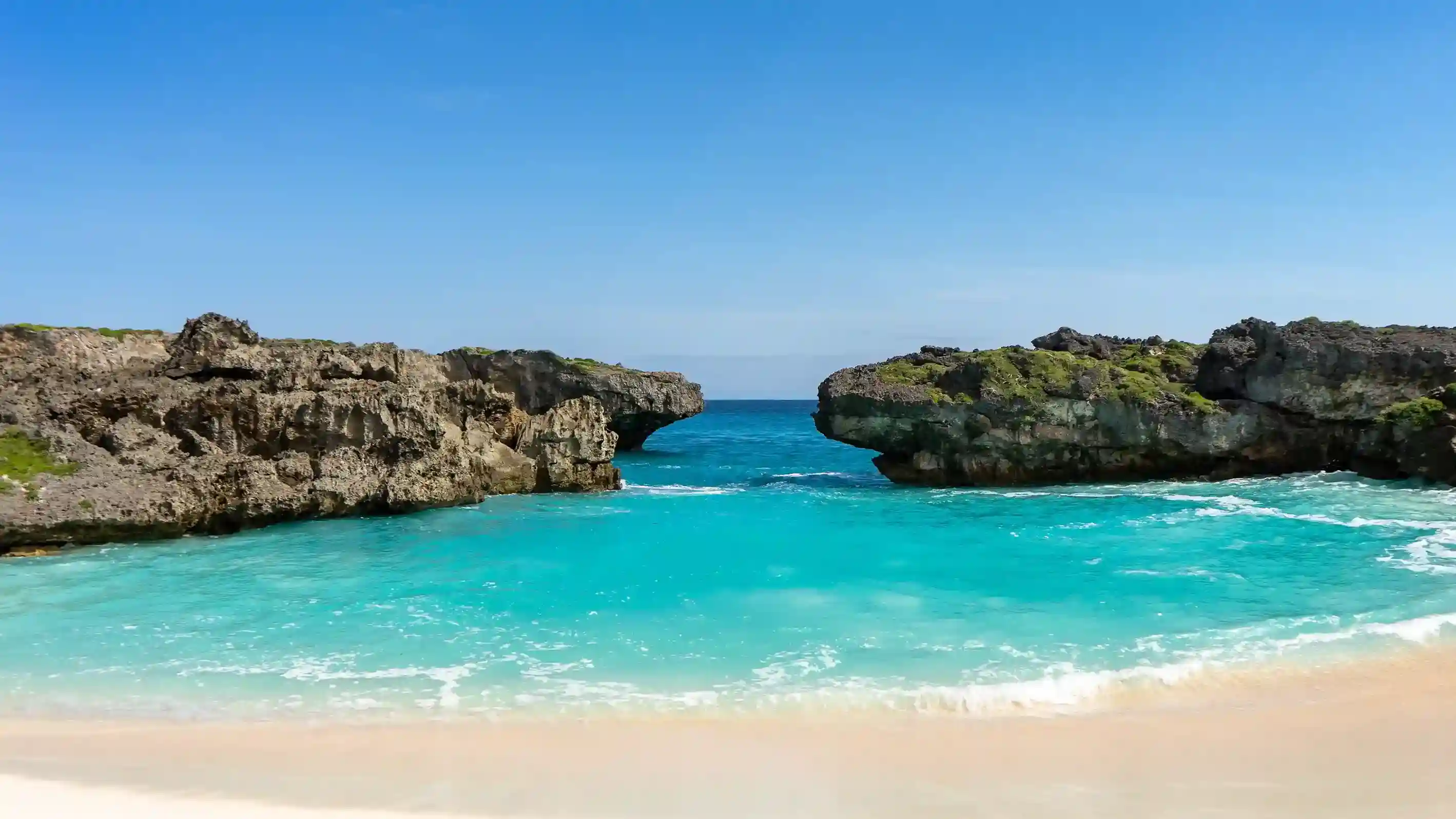
The air shifts as you approach, a subtle coolness replacing the tropical warmth, carrying the faint, earthy scent of damp stone and lush foliage. Suddenly, the roar intensifies—a living, breathing sound that vibrates through the very ground beneath your feet. Then, through a verdant curtain of jungle, it appears: a shimmering veil of water, plummeting with an almost deliberate grace, carving its path down ancient volcanic rock. This isn’t just a sight; it’s a visceral symphony, a moment of profound connection in a world increasingly disconnected. This is the promise of a Sumba waterfall, an experience that transcends mere observation, inviting you into its raw, untamed embrace. But in the rich mix of Indonesia’s luxury travel, where does this particular gem truly shine, and when might another cascade better suit your discerning spirit?
The Sumba Waterfall Experience: Unveiling Pristine Seclusion
To speak of a Sumba waterfall is to speak of an expedition, not merely a day trip. The journey itself is an integral part of the allure, threading through landscapes that feel ancient and unblemished by modern life. Unlike the well-trodden paths to Bali’s celebrated cascades, reaching a Sumba waterfall, such as the majestic Lapopu or the dramatic Tanggedu, involves traversing rolling savannahs dotted with traditional villages and fields where horses roam free. This isolation is its greatest luxury, ensuring that those who make the pilgrimage are rewarded with an almost private communion with nature.
Lapopu Waterfall, for instance, located in West Sumba, descends in a series of gentle, terraced steps, its waters collecting in serene pools perfect for a refreshing dip. The trek to Lapopu, often involving a 30-minute walk through dense forest from the nearest road access, is an immersive experience in itself, with exotic bird calls echoing through the canopy. The island of Sumba, roughly twice the size of Bali, hosts a population of just over 700,000, ensuring a far lower visitor density compared to its more famous neighbor. This translates into tranquility at its natural wonders. Tanggedu Waterfall, on the other hand, in East Sumba, offers a more rugged, powerful display, tumbling into a deep canyon with striking rock formations—a sign of Sumba’s diverse geological beauty. The drive to Tanggedu can take upwards of 2 hours from Waingapu, the capital of East Sumba, highlighting the commitment required for this exclusive encounter.
The Journey to Lapopu: Beyond the Postcard
The approach to Lapopu Waterfall embodies the essence of Sumba’s untouched charm. Your private transfer glides along roads less traveled, past undulating hills where buffalo graze placidly and children wave from the doorways of traditional peaked-roof houses. Upon arrival at the trailhead, a knowledgeable local guide, often from a nearby village, leads the way. The path, sometimes muddy after a tropical shower, winds through a verdant tunnel of trees, sunlight dappling through the leaves. You might spot a rare Sumba hornbill or hear the distant chatter of macaques. This is not a manicured tourist trail; it’s an authentic immersion into the island’s wild heart. The final descent reveals Lapopu’s multi-tiered beauty, its 25-meter drop over limestone formations creating a natural spa. In 2023, fewer than 5,000 international visitors made the journey to Lapopu, a stark contrast to the millions flocking to Bali’s waterfalls, guaranteeing a profound sense of discovery and peace.
Cultural Mix: Marapu and Local Life
A visit to a Sumba waterfall extends beyond the natural wonder; it’s an invitation into the profound Marapu culture. Before or after your waterfall visit, you might find yourself welcomed into a traditional village like Ratenggaro or Praijing. Here, megalithic tombs stand sentinel, and intricately woven ikat textiles are crafted by hand, each pattern telling a story passed down through generations. These encounters are genuine, unscripted, offering a rare glimpse into a way of life deeply connected to ancestral beliefs and the land. The Marapu religion, an animistic faith, considers nature sacred, imbuing the waterfalls and surrounding forests with spiritual significance. This cultural depth adds an enriching layer to the natural beauty, transforming a scenic stop into a meaningful exchange. Entrance fees to many Sumba waterfalls are minimal, often around IDR 10,000-20,000 (less than $2 USD), with the true value lying in the guided cultural interactions and the support for local communities.
Alternatives in Bali & Lombok: The Allure of Accessibility and Infrastructure
For many, the first foray into Indonesia’s island paradise begins with Bali, an island celebrated for its vibrant culture, diverse landscapes, and highly developed tourism infrastructure. Bali’s waterfalls offer a different kind of appeal: they are generally more accessible, often closer to major tourist hubs, and frequently integrated into broader itineraries that include rice terraces, temples, and busy markets. This ease of access makes them ideal for travelers seeking convenience, a wider array of amenities, and a more social travel experience. Tegenungan Waterfall, just 10 kilometers south of Ubud, is a prime example, offering a powerful cascade and well-maintained facilities, including changing rooms and cafes. Similarly, Sekumpul Waterfall in North Bali, though requiring a slightly longer trek, is renowned for its multiple, towering streams and impressive scale, drawing hundreds of visitors daily during peak season. Its accessibility from areas like Munduk or Lovina makes it a popular choice for those exploring Bali’s northern reaches. The average distance from a major tourist hub to a significant Bali waterfall is often less than 30 kilometers, a stark contrast to Sumba’s more remote locations.
Lombok, Bali’s less-developed neighbor, also presents compelling alternatives. Waterfalls like Sendang Gile and Tiu Kelep, set at the foot of Mount Rinjani, offer a blend of natural beauty and adventure. The trek to these twin waterfalls often involves navigating lush rainforests and crossing streams, providing a moderately challenging and highly rewarding experience. While less crowded than Bali, Lombok’s waterfalls still benefit from a more established tourism framework, with clear signage, local guides readily available, and a range of accommodation options nearby. The journey to Sendang Gile from Senggigi, Lombok’s main tourist area, takes approximately 2 hours by car, making it a feasible day trip for many. In 2022, Lombok welcomed over 1.5 million domestic and international tourists, indicating a healthy, yet manageable, level of visitor traffic compared to Bali’s pre-pandemic numbers often exceeding 6 million annually.
Bali’s Cascades: A Different Kind of Energy
Bali’s waterfalls pulsate with a different kind of energy, one that often harmonizes with the island’s vibrant, spiritual yet social atmosphere. Consider the experience at Tibumana Waterfall, a picturesque single-stream cascade near Ubud. While incredibly beautiful, it’s common to share the experience with dozens of other visitors, all seeking that perfect Instagram shot. The pathways are well-maintained, often paved, and amenities like small kiosks selling refreshments are never far. This environment caters to those who appreciate convenience and the shared awe of a natural wonder, perhaps followed by a rejuvenating yoga session or a gourmet meal at a nearby cafe. The average wait time for a photo opportunity at popular Bali waterfalls during peak hours can be 10-15 minutes, reflecting their popularity. These sites are typically open from 8 AM to 6 PM, offering broad windows for exploration.
Lombok’s Peaks: Adventure with a View
Lombok’s waterfalls, particularly those around Mount Rinjani, offer a more rugged, adventurous edge. The trek to Tiu Kelep, known for its powerful spray and natural swimming pool, often involves a 45-minute walk through dense jungle from Sendang Gile, crossing a river and navigating slippery rocks. This is an experience for the active traveler, one who relishes the challenge as much as the reward. The air is cooler here, the sounds of the jungle more pronounced, and the sense of accomplishment upon reaching the falls is palpable. Lombok’s proximity to the Gili Islands also allows for a unique combination of waterfall trekking with world-class diving and snorkeling, offering a multi-faceted luxury adventure. Mount Rinjani National Park, encompassing these waterfalls, covers an area of over 40,000 hectares, providing vast stretches of pristine wilderness for exploration.
The Price of Paradise: Investment in Exclusivity vs. Value in Volume
The financial commitment for a Sumba waterfall experience versus its alternatives in Bali or Lombok reflects a fundamental difference in travel philosophy. Sumba, by its very nature of being less developed for tourism, often necessitates a higher investment. This isn’t merely about the entrance fee to a waterfall, which is typically nominal across all islands, but rather the holistic cost of travel. Reaching Sumba often involves domestic flights from Bali (around 1 hour 15 minutes) or Jakarta, and then private transfers across the island to luxury, often eco-conscious, resorts that are fewer in number but exceptional in service and immersion. These resorts, such as Nihi Sumba or The Sumba Hospitality Foundation, offer bespoke experiences, from private guides to cultural excursions, all contributing to a higher price point. An average luxury stay in Sumba, inclusive of transfers and experiences, can easily range from $800 to $2,000 per night, reflecting the exclusivity and personalized service.
In contrast, Bali and Lombok offer a spectrum of price points, from budget hostels to ultra-luxury villas. While high-end options exist that rival Sumba in opulence, the sheer volume of choices means travelers can tailor their budget more flexibly. A luxury villa in Ubud with private pool might cost $300-$800 per night, while a mid-range hotel is easily found for $100-$200. Transportation costs are also generally lower due to higher competition and more established infrastructure. Renting a private car with a driver for a day in Bali can be as low as $50-$70 USD, whereas similar services in Sumba, given the distances and fewer operators, are typically 50-100% higher. This difference in pricing isn’t about one being “better” or “worse,” but rather about the value proposition: Sumba offers an investment in solitude and authentic immersion, while Bali and Lombok provide a wider range of options catering to diverse budgetary and experiential desires.
Sumba’s Bespoke Luxury: A Holistic Investment
The cost associated with a Sumba journey is an investment in a curated, holistic luxury experience. It encompasses not just the physical comfort but also the intangible value of exclusivity, cultural authenticity, and sustainable tourism practices. Think of it as purchasing access to a vanishing world. Private guides, often sourced from local communities, offer insights that no guidebook can provide, ensuring a deep understanding of the land and its people. The limited number of luxury accommodations means less environmental impact and a more personalized service ratio, with staff-to-guest ratios often exceeding 2:1. Furthermore, many luxury properties on Sumba are deeply involved in community development and conservation, meaning a portion of your expenditure directly contributes to the island’s well-being. This model of responsible luxury ensures that your journey leaves a positive footprint, an increasingly important consideration for the discerning traveler. Average daily spending for a luxury traveler in Sumba is estimated at $750, including accommodation, activities, and dining, reflecting the premium nature of the experience.
Bali’s Broad Appeal: Cost-Effective Exploration
Bali’s extensive tourism infrastructure allows for incredibly cost-effective exploration, even within the luxury segment. The island’s mature tourism industry means competitive pricing for everything from private villas to bespoke tours. Travelers can easily combine visits to multiple waterfalls with other attractions like rice terraces, temples, and cooking classes, all within a single day’s excursion and at a reasonable cost. The sheer volume of service providers—from drivers to tour operators—drives prices down, offering excellent value for money. While Sumba offers exclusivity, Bali offers diversity and accessibility across all budget ranges. A full-day private tour to multiple waterfalls in Bali, including transportation and guide, can be arranged for as little as $80-$120 USD, making it highly attractive for families or groups. Daily average spending for a luxury traveler in Bali is often around $400-$600, showcasing a relative affordability compared to Sumba’s specialized offerings.
When to Choose Sumba Waterfall: A Discerning Travel
The choice to seek out a Sumba waterfall is a deliberate one, made by travelers who prioritize quietude, profound cultural engagement, and an escape from the well-trodden paths of mass tourism. If your ideal luxury involves a genuine disconnection from the digital world and a deep reconnection with nature and authentic local life, Sumba is your destination. It’s for those who find luxury not in overt opulence but in rarity, in the privilege of experiencing something few others have. This island appeals to the discerning adventurer, the cultural enthusiast, and the eco-conscious traveler who understands that true value lies beyond superficial glamour. Sumba is perfect for extended stays, allowing for a relaxed pace to truly absorb the island’s rhythm, rather than a rushed itinerary. The optimal dry season for visiting Sumba and its waterfalls runs from May to October, offering clear skies and comfortable trekking conditions.
The Quest for Uninterrupted Serenity
Imagine arriving at a magnificent waterfall, the only sounds the rush of water and the distant calls of unseen birds. This is the serenity Sumba offers. There are no crowds, no queues for photos, no vendors hawking souvenirs. It’s an intimate, almost meditative experience, allowing for personal reflection and an unhindered appreciation of nature’s grandeur. For couples seeking a romantic escape or solo travelers desiring profound solitude, Sumba provides an sanctuary. The limited number of visitors ensures that the natural environment remains pristine, offering a truly untouched landscape. This level of peace is increasingly rare in popular tourist destinations, making Sumba a precious find for those who covet quietude above all else. Data indicates that Sumba receives approximately 0.5% of the international tourist arrivals that Bali sees annually, underscoring its status as a truly secluded destination.
Engaging with Authentic Culture
Beyond its natural wonders, Sumba presents an extraordinary opportunity for authentic cultural immersion. The Marapu culture, with its ancient traditions and vibrant ceremonies, remains largely intact and genuinely lived. Visiting a Sumba waterfall can be interwoven with attending a traditional Pasola festival (held annually, typically February or March, though dates vary based on the lunar calendar), witnessing an ancestral burial ceremony, or simply spending time in a local village. These are not staged performances for tourists; they are living traditions that invite respectful participation and observation. The connection you forge with the local Sumbanese people is often cited by travelers as the most memorable aspect of their journey, a level of genuine interaction that is challenging to find in more commercialized destinations. This cultural depth adds an invaluable dimension to the luxury travel experience, transforming a vacation into a profound personal journey.
When Alternatives Shine: Embracing Different Travel Philosophies
While Sumba offers a unique brand of luxury, it’s important to acknowledge that its very strengths—seclusion, raw authenticity, and nascent tourism infrastructure—might not align with every traveler’s desires. For those embarking on their first journey to Indonesia, or families seeking a broader array of activities, more established destinations like Bali or Lombok often present a more comfortable and convenient entry point. If your travel philosophy leans towards a mix of relaxation, adventure, cultural exploration, and the option for vibrant nightlife or diverse dining, Bali’s extensive offerings are likely a better fit. Similarly, for travelers with limited time, or those who prefer easily accessible attractions with well-defined pathways and amenities, the alternatives provide a more streamlined experience. These islands cater to a wide spectrum of interests, from world-class surfing to spiritual retreats, offering a comprehensive luxury experience that doesn’t demand the same level of commitment to remote exploration as Sumba. Bali offers over 100,000 hotel rooms, providing an choice compared to Sumba’s few dozen luxury properties.
Family Adventures and Social Vibrancy
Bali and Lombok excel in catering to families and groups, offering a wealth of activities beyond just waterfalls. Water parks, surf schools, cooking classes, elephant sanctuaries, and many kid-friendly resorts make these islands ideal for multi-generational travel. The ease of finding English-speaking guides, reliable transportation, and diverse dining options—from fine dining to casual beachside warungs—contributes to a stress-free vacation. For those who enjoy a lively social scene, Bali’s beach clubs, bars, and cultural performances provide ample opportunities for entertainment and interaction. The ability to seamlessly transition from a morning waterfall trek to an afternoon of spa treatments and an evening of gourmet dining or live music makes these destinations incredibly versatile. Bali’s Ngurah Rai International Airport (DPS) handles over 20 million passengers annually, facilitating easy global access, a stark contrast to Sumba’s smaller regional airports.
The Convenience Factor: Time and Logistics
Time is a luxury, and for travelers with limited vacation days, the logistical ease of Bali and Lombok is a significant advantage. Direct international flights, well-developed road networks, and an abundance of tour operators simplify planning and minimize travel time between attractions. You can often visit multiple waterfalls, temples, and other sights within a single day in Bali, maximizing your exploration. The availability of readily accessible medical facilities, ATMs, and reliable internet connectivity also adds a layer of comfort and security that might be less prevalent in Sumba’s more remote areas. For a seamless, efficient, and comprehensive luxury travel experience that minimizes logistical complexities, Bali and Lombok often present a more pragmatic choice. The average travel time between major attractions in South Bali is often less than 30 minutes, allowing for packed itineraries.
Beyond the Plunge: Holistic Travel Experiences
When choosing between a Sumba waterfall and its alternatives, consider the broader mix of experiences each island weaves. Sumba offers an immersive journey into an untouched natural world and an ancient culture. Beyond the waterfalls, you can gallop across pristine beaches on Sumba horses, surf uncrowded breaks that rival the world’s best, or simply unwind in a luxury lodge that feels like a private sanctuary. The island is also home to unique flora and fauna, including endemic bird species, making it a paradise for nature photographers and birdwatchers. The focus here is on slow travel, on savoring each moment and allowing the island’s rhythms to dictate your pace. This holistic experience is about deep connection and profound discovery, a true escape from the ordinary. Sumba boasts over 1,000 kilometers of coastline, much of it undeveloped, offering endless opportunities for solitary beach walks and exploration.
Bali, on the other hand, presents a kaleidoscope of experiences. Its waterfalls are often just one element in a rich itinerary that might include world-class yoga retreats in Ubud, exhilarating surf lessons in Canggu, spiritual temple visits, vibrant art markets, and gourmet culinary tours. Lombok offers its own blend of adventure, with the majestic Mount Rinjani dominating its landscape, inviting trekkers to conquer its summit. The Gili Islands, just off Lombok’s coast, provide idyllic opportunities for snorkeling, diving, and unwinding on car-free islands. These destinations offer a more “choose your own adventure” luxury, allowing travelers to curate a diverse and dynamic itinerary that caters to a wider range of interests and moods. The sheer variety ensures that there’s always something new to discover, even for repeat visitors. Bali hosts thousands of temples, each offering a unique glimpse into the island’s spiritual heritage.
Ultimately, the decision rests on your personal travel philosophy. Are you seeking the raw, untamed beauty and profound cultural depth of a Sumba waterfall, a journey into true seclusion and authentic connection? Or do you prefer the vibrant diversity, accessibility, and established luxury framework of Bali or Lombok, where convenience and a breadth of experiences are paramount? Both paths lead to extraordinary encounters with Indonesia’s natural and cultural wonders, but they cater to distinct desires. For the traveler who values the rare privilege of solitude and genuine immersion above all else, Sumba awaits, promising an unforgettable odyssey into the heart of an ancient island. For those who seek a dynamic mix of experiences, from thrilling adventures to serene spa days, Bali and Lombok stand ready to enchant. Consider your deepest travel aspirations, and let them guide you to your perfect Indonesian cascade.
Ready to discover which Indonesian paradise calls to you? Explore our curated itineraries and begin crafting your bespoke luxury adventure. Visit our homepage for more inspiration, or look closer into Sumba’s unique charm on our Sumba Island Guide. For those intrigued by sustainable travel, discover how your journey can make a difference through our Responsible Tourism initiatives.