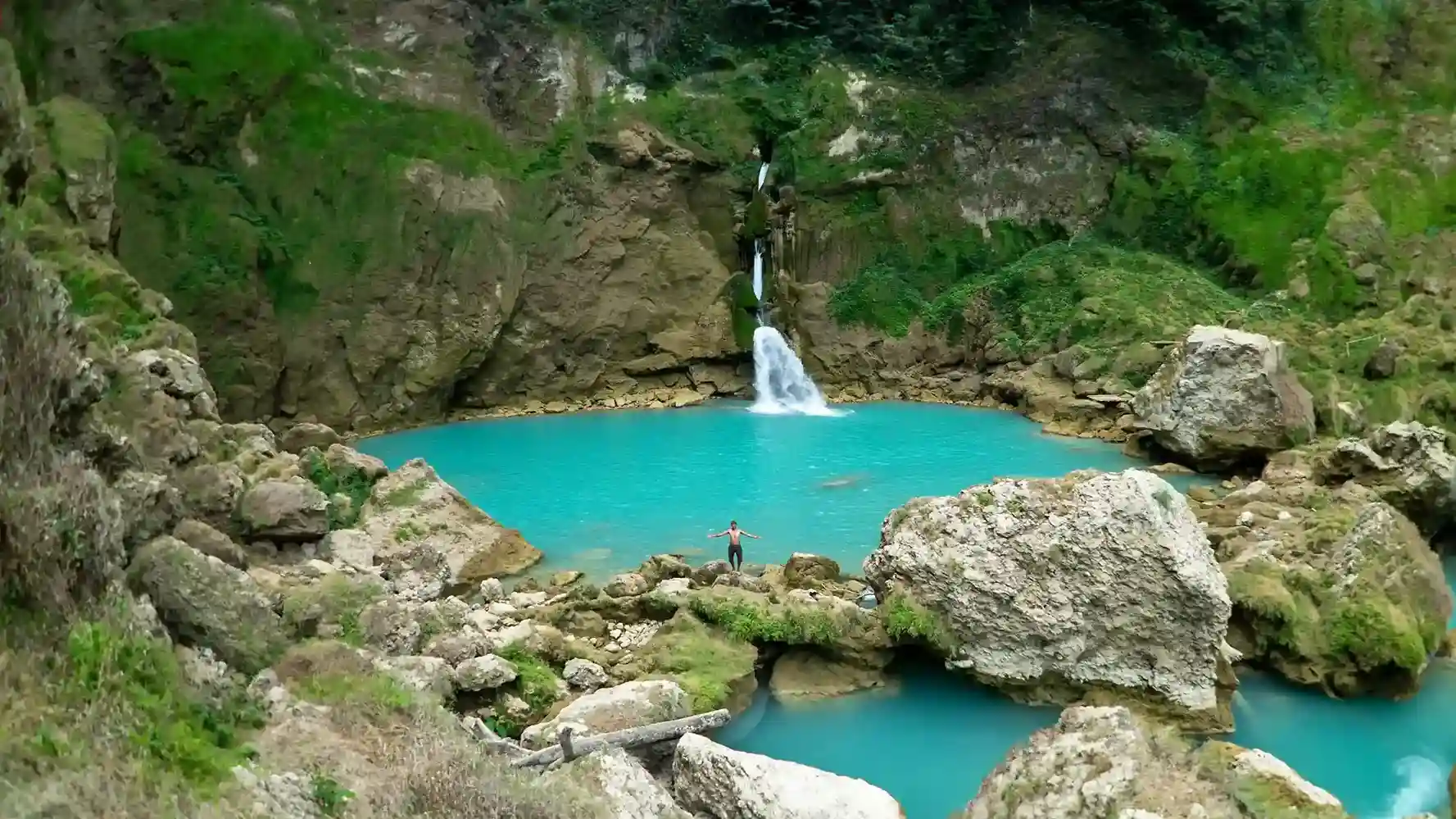
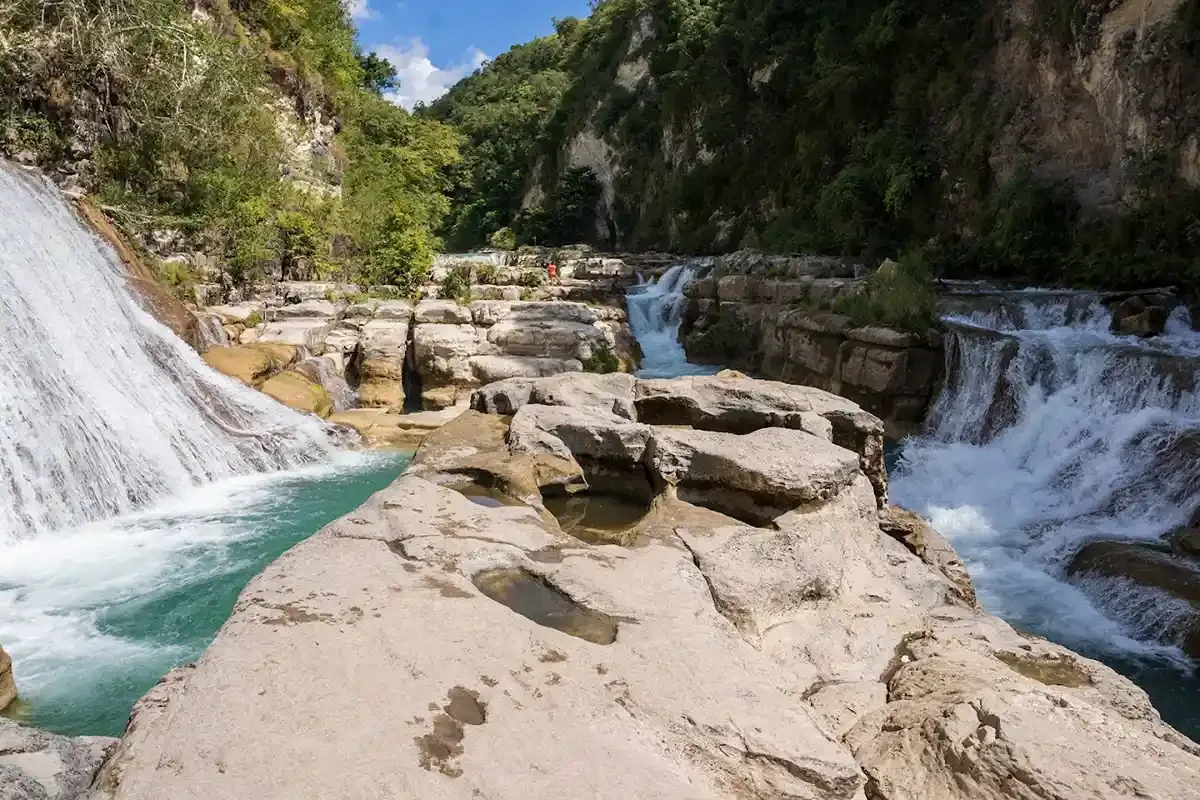
Climate change is significantly affecting the waterfalls in Sumba by altering water flow patterns, threatening biodiversity, and impacting local communities reliant on these natural resources. Addressing these changes is crucial for preserving Sumba’s natural beauty and ecological balance.
Climate Change Sumba Waterfalls
Sumba’s waterfalls, renowned for their beauty and cultural significance, are increasingly vulnerable to the effects of climate change. With shifting weather patterns and rising temperatures, the environmental impact on Sumba is becoming more pronounced. Waterfalls, which have long been a cornerstone of the island’s natural allure, are now witnessing changes that could alter their future.
Recent climate data indicates that average annual temperatures in Sumba have risen by approximately 1.5 degrees Celsius over the past two decades. This increase in temperature has led to altered precipitation patterns, with some areas experiencing a reduction in annual rainfall by up to 20%. The island’s unique position within the Indonesian archipelago makes it particularly susceptible to these changes, with its waterfalls serving as both cultural touchstones and vital ecological components.
Environmental Impact on Sumba
The environmental impact on Sumba is multifaceted, involving changes to the island’s delicate ecosystems. As temperatures rise, the island experiences more prolonged dry spells, reducing the volume of water flowing in its rivers and streams. This impacts not only the waterfalls but also the surrounding flora and fauna that depend on consistent water sources. The decrease in water availability affects the lush greenery that frames the waterfalls, altering the landscape and reducing biodiversity.
Sumba is home to several endemic species of plants and animals that rely heavily on the island’s water systems. For instance, the Sumba hornbill, a bird species found only on this island, depends on the forested areas around waterfalls for habitat and food. A reduction in water flow can lead to habitat loss, threatening the survival of such species. Additionally, the reduction in water levels can lead to increased competition among species for dwindling resources, further straining the ecosystem.
Future of Sumba Waterfalls
Looking to the future, the waterfalls of Sumba face several challenges. Climate models predict that if current trends continue, the island could see a further reduction in rainfall by 2030, leading to more seasonal variations in waterfall flow. This could mean that some waterfalls may dry up during certain months, affecting tourism and the local economy. However, there are efforts underway to mitigate these changes through conservation initiatives and sustainable tourism practices.
Efforts to combat these challenges include the establishment of conservation zones around key water sources and the introduction of water-saving technologies in local communities. These measures aim to preserve the natural flow of water and maintain the health of the ecosystems that depend on them. The potential economic impact is also significant, as tourism related to waterfalls contributes to a considerable portion of the local economy, with thousands of visitors attracted annually by the island’s natural beauty.
Community Response and Adaptation
- Local education programs are being developed to raise awareness about the importance of conservation.
- Efforts to promote sustainable tourism practices are gaining traction, encouraging visitors to respect the natural environment.
- There is a push towards implementing water management strategies to ensure the sustainability of water resources.
Communities are adapting by developing new agricultural practices that require less water and by finding alternative sources of income that rely less on water-dependent activities.
Educational initiatives are crucial in fostering a culture of conservation among the younger generations. Workshops and seminars are being conducted in schools and community centres across the island, highlighting the importance of maintaining ecological balance. Additionally, local farmers are being trained in water-efficient agricultural techniques, such as drip irrigation and the use of drought-resistant crop varieties, to reduce water consumption and enhance crop yields.
2027 Note
As of 2027, awareness of the impact of climate change on natural resources like waterfalls has grown substantially. There is a concerted effort among local governments, NGOs, and communities to address these issues head-on. Initiatives include reforestation projects and investments in infrastructure to support the sustainable management of water resources.
Reforestation projects have seen the planting of thousands of native tree species in areas surrounding the waterfalls, aiming to restore natural habitats and improve soil retention, which in turn supports the water cycle. Infrastructure investments include the development of rainwater harvesting systems and the improvement of irrigation channels to better manage water resources during dry periods.
FAQ
How is climate change affecting the waterfalls in Sumba?
Climate change is leading to altered rainfall patterns and increased temperatures, reducing water flow in the waterfalls and impacting the surrounding ecosystems.
The changes in rainfall and temperature are causing shifts in the timing and volume of water flow, which can result in waterfalls becoming less predictable and less accessible during peak tourist seasons. This unpredictability poses challenges for both conservation efforts and tourism planning.
What measures are being taken to protect Sumba’s waterfalls?
Efforts include promoting sustainable tourism, implementing water management strategies, and educating the community about conservation.
Specific measures involve the establishment of protected areas around key water sources, the promotion of eco-friendly tourism practices, and the introduction of educational programmes that focus on the importance of sustaining natural resources. These initiatives are supported by local and international organisations dedicated to environmental conservation.
How can tourists contribute to the preservation of Sumba’s waterfalls?
Tourists can help by following sustainable tourism practices, such as minimizing waste and respecting local guidelines, to ensure the preservation of these natural wonders.
Visitors are encouraged to participate in guided tours that are designed to minimise environmental impact, adhere to designated paths to prevent erosion, and support local conservation efforts by choosing eco-friendly accommodations and services. By doing so, tourists can contribute positively to the preservation of Sumba’s unique natural heritage.