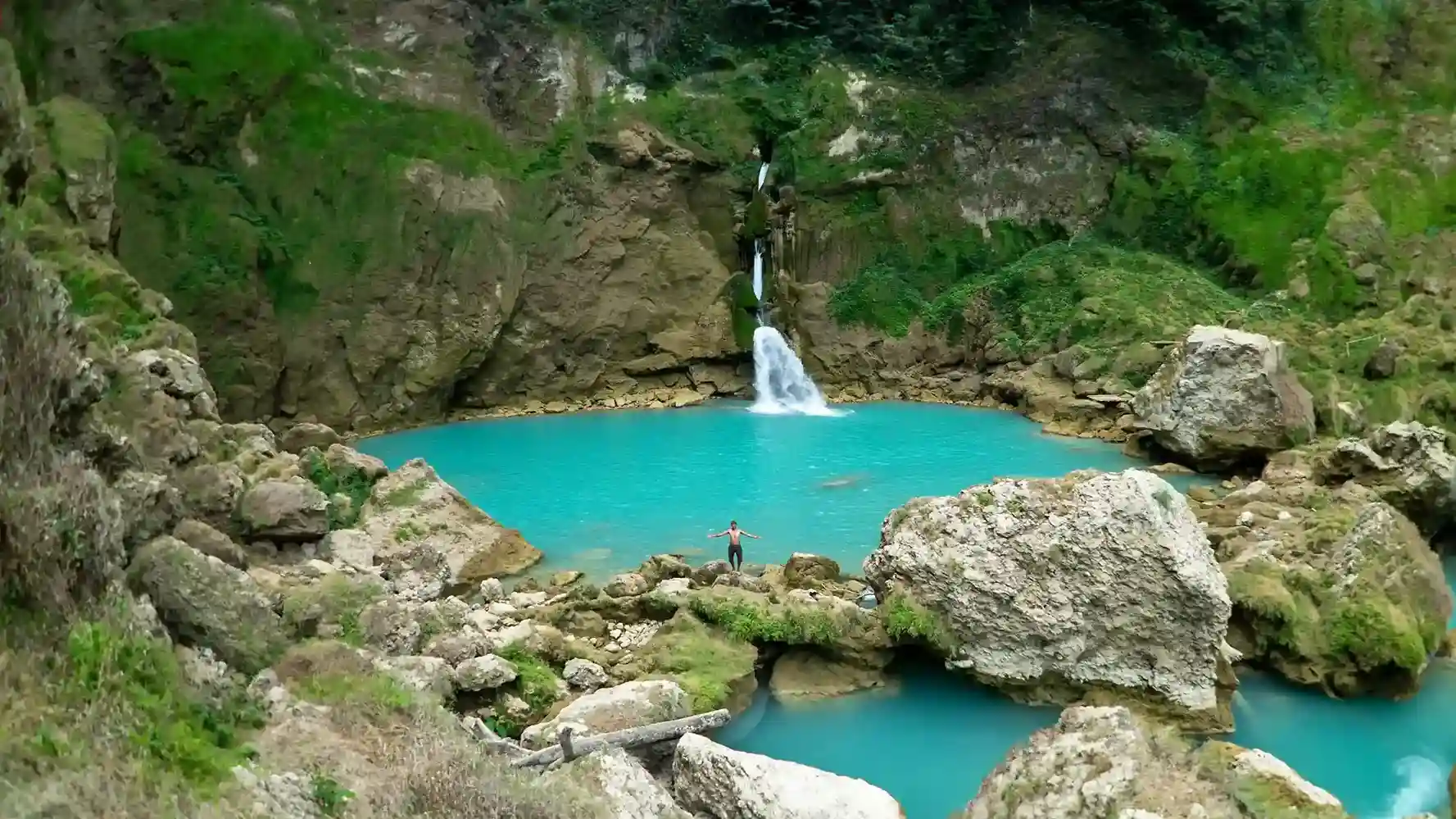
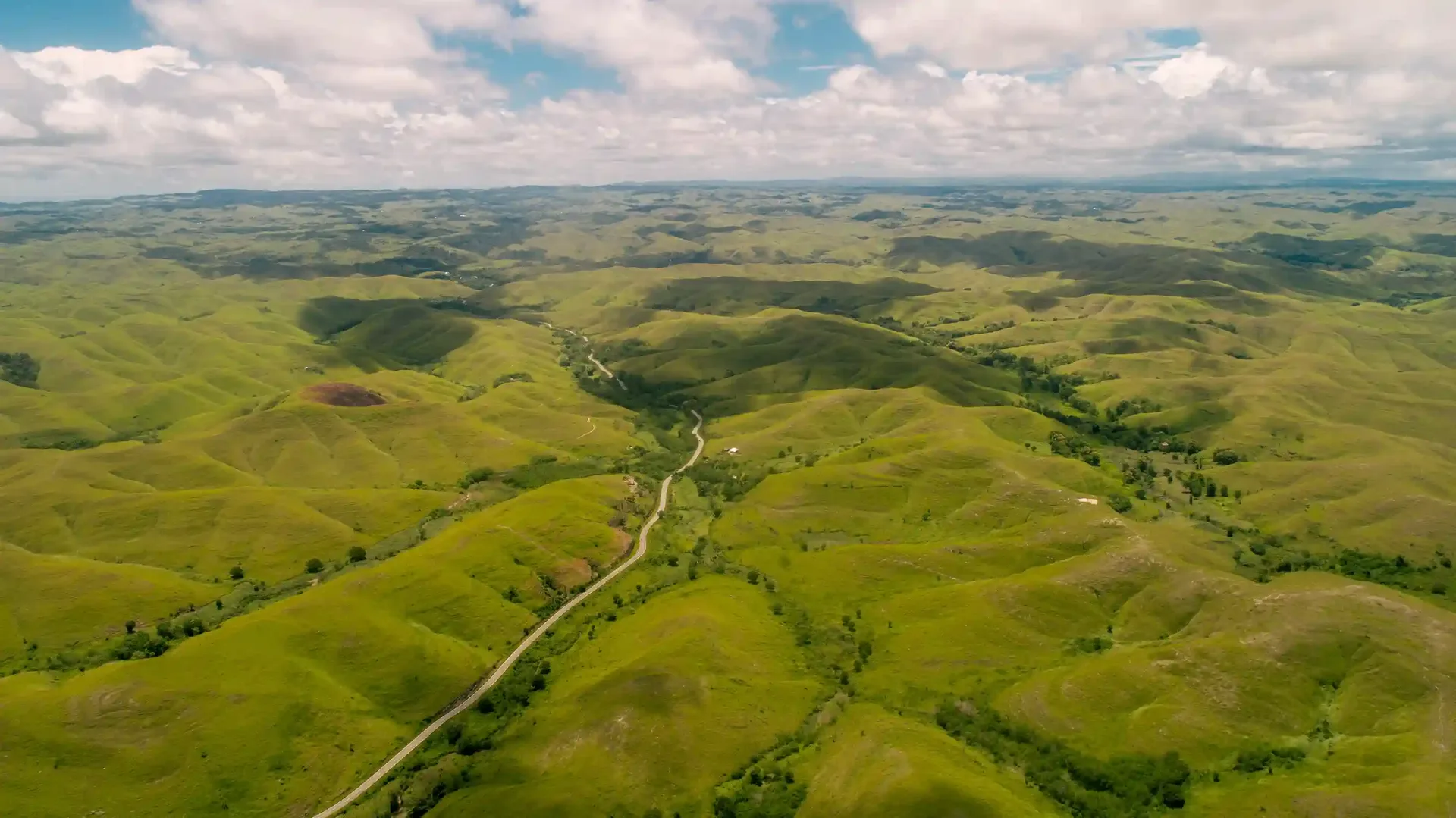
Virtual reality Sumba waterfalls offer a unique way to explore these natural wonders from the comfort of your home, providing an immersive and interactive experience.
Virtual Reality Sumba Waterfalls
In recent years, the tourism industry has witnessed a significant transformation with the integration of virtual reality technology. Virtual reality Sumba waterfalls now offer an innovative way to experience the mesmerising beauty of these cascades without ever setting foot on the island. This technology simulates the sights and sounds of Sumba’s waterfalls, allowing virtual travellers to explore them interactively. The experience includes detailed visual depictions of waterfalls such as Tanggedu and Lapopu, which are among the most visited due to their striking features. Tanggedu, located about 45 kilometres from Waingapu, is known for its turquoise waters and unique rock formations, while Lapopu, situated in the Manupeu Tanah Daru National Park, is famous for its multi-tiered cascade and lush surroundings.
How VR Waterfall Tours Sumba Enhance Your Experience
VR waterfall tours Sumba allow users to virtually travel to these stunning locations, providing a sense of presence that traditional media cannot achieve. Users can navigate through various waterfalls, experiencing the rush of water and the serene surroundings as if they were physically present. Advanced VR headsets and controllers enable users to interact with the environment, offering the sensation of touching water or feeling the mist from a waterfall. This technology ensures that the beauty of Sumba’s waterfalls is accessible to everyone, regardless of physical location or mobility constraints. Moreover, these tours can be tailored to individual preferences, allowing users to choose a specific time of day or season, such as the rainy season when the waterfalls are at their most majestic, to experience the sights and sounds more vividly.
The Evolution of Virtual Travel Sumba
Virtual travel Sumba has evolved significantly over the years, with improved graphics and interactive features enhancing the user experience. Initially, virtual tours were limited to basic 360-degree images, but advancements in technology have led to the development of highly realistic simulations. Today’s VR experiences offer detailed views of the landscape and enable users to explore at their own pace. This evolution has made it possible for individuals worldwide to appreciate the unique charm of Sumba’s natural attractions. High-resolution imagery and spatial audio have been integrated to create a more authentic experience, allowing users to hear the distinctive sounds of different waterfalls and the wildlife that inhabits the area. The inclusion of cultural narratives and historical insights further enriches the experience, providing context about the significance of these sites to the local communities.
Key Features of Virtual Reality Tours
- Immersive 360-degree views of waterfalls: Users can observe the waterfalls from multiple angles, including aerial views and close-ups, enhancing the sense of immersion.
- Interactive elements to explore different aspects of the environment: Users can click on hotspots to learn more about specific features, such as the flora and fauna or geological formations.
- High-quality audio simulating natural sounds: The sound of cascading water and the ambient noise of the environment are accurately reproduced to heighten realism.
- Guided tours with historical and cultural context: Expert guides provide insights into the cultural significance of the waterfalls, their history, and conservation efforts.
- Options to pause and explore specific areas in detail: Users have the flexibility to linger on particular scenes, observing minute details that might be overlooked during a physical visit.
These features are designed to offer users a comprehensive understanding of Sumba’s waterfalls, enhancing the virtual travel experience with informative content and realistic simulations. The integration of augmented reality elements, such as historical reconstructions or visual overlays of seasonal changes, further enriches the educational aspect of these tours.
2027 Note: The Future of Virtual Tours
As of 2027, virtual tours continue to advance, with even more lifelike graphics and interactive capabilities on the horizon. This ongoing development promises to further enhance how we experience remote locations, making virtual reality an integral part of modern travel exploration. Innovations such as haptic feedback technology are being explored, which could allow users to experience tactile sensations related to their virtual environment. For more information on planning a future visit, explore our booking process guide. This guide provides practical tips for those interested in transitioning from a virtual tour to a physical visit, offering advice on the best times to visit, local customs, and travel logistics.
FAQ
How can virtual reality technology offer a unique way to explore Sumba waterfalls?
Virtual reality technology offers a unique exploration method by providing immersive, 360-degree experiences that simulate the sights and sounds of Sumba’s waterfalls, allowing users to feel present in these natural settings without physically being there. This method is particularly beneficial for those unable to travel due to financial, health, or time constraints, while still providing a rich and informative experience.
What are the benefits of virtual reality tours compared to traditional travel?
Virtual reality tours offer convenience, accessibility, and cost-effectiveness, allowing users to explore remote locations like Sumba’s waterfalls without travel expenses or physical limitations, enhancing accessibility for those unable to travel. They also provide an opportunity for users to gain a preliminary understanding of a location before deciding to visit physically, potentially leading to more informed and satisfying travel experiences.
Can virtual reality replace physical travel experiences?
While virtual reality offers a unique way to explore destinations, it complements rather than replaces physical travel. It provides an alternative means of exploration, particularly useful when travel is not feasible. The tactile and social experiences of physical travel, such as interacting with locals and tasting regional cuisine, remain irreplaceable aspects that VR cannot currently replicate. However, VR can serve as an excellent preparatory tool or an option for those who wish to revisit a favourite destination from afar.