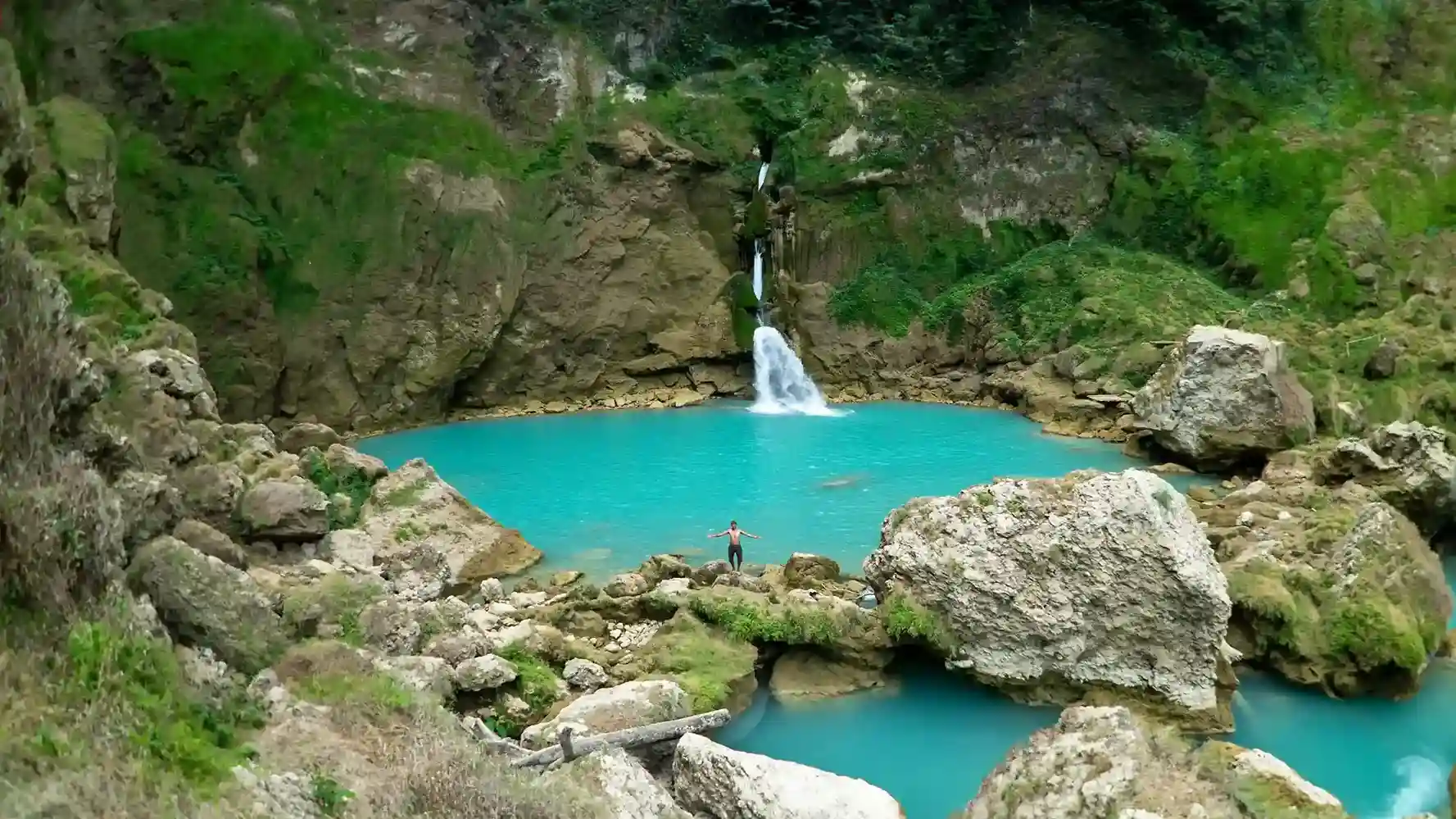
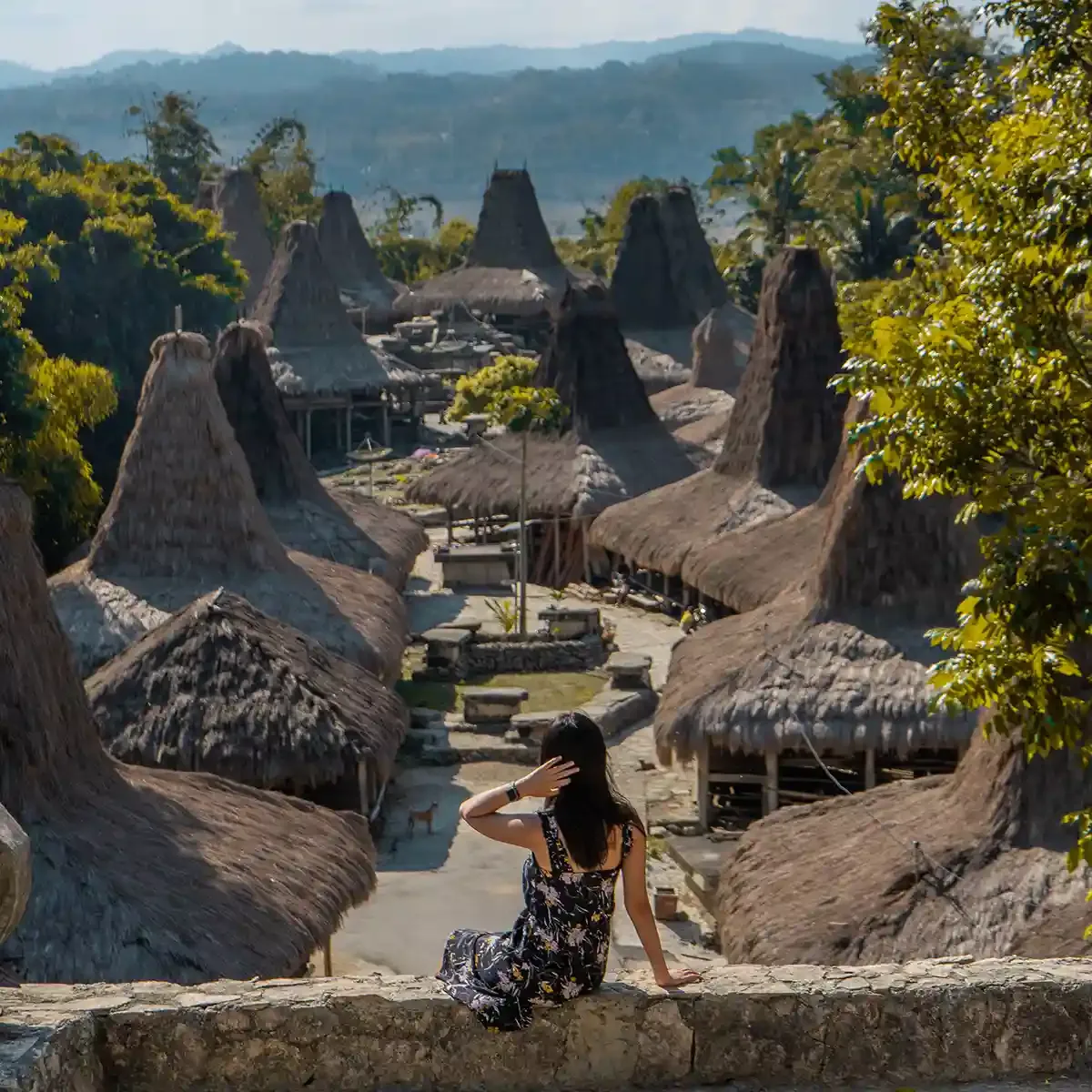
Sumba waterfall conservation 2027 focuses on community-driven initiatives to protect these natural wonders, ensuring sustainable practices and ecosystem preservation.
Sumba Waterfall Conservation 2027
In 2027, the conservation of Sumba’s waterfalls holds significant importance. These natural formations are pivotal not only to the region’s biodiversity but also to its cultural and economic landscape. The conservation strategy encompasses a variety of community-led projects across Sumba, aiming to protect these valuable natural features for future generations. The region is home to numerous waterfalls, including the renowned Weekuri Lagoon and Lapopu Waterfall, each contributing to the island’s ecological richness.
What Community Initiatives are in Place to Conserve Sumba’s Waterfalls?
The community initiatives involve local groups engaging in diverse projects to conserve Sumba’s waterfalls. These initiatives include reforestation efforts around the waterfalls, educational programs designed to raise awareness about ecological impacts, and promoting sustainable practices. For example, reforestation projects have been implemented in areas such as West Sumba, where indigenous tree species are planted to restore habitats. Educational outreach has extended to over 50 local schools, with curriculum tailored to environmental stewardship and conservation principles.
Community Projects in Sumba
Community projects in Sumba are leading the charge in conservation efforts. Local organisations collaborate with international partners to implement sustainable practices. These initiatives include:
- Reforestation projects aiming to restore over 100 hectares of native vegetation by 2027.
- Workshops on sustainable tourism practices, engaging over 500 local tour operators and guides.
- Educational programs in local schools, reaching approximately 10,000 students annually, focusing on environmental stewardship and conservation ethics.
By involving the community directly, these projects foster a sense of ownership and responsibility among the residents. This involvement not only enhances the community’s connection to their natural environment but also boosts local economies by promoting eco-tourism and sustainable agriculture.
Protecting Sumba Waterfalls
Protecting Sumba waterfalls requires a multifaceted approach. In 2027, there is a strong emphasis on balancing ecological preservation with tourism. Efforts include creating designated pathways to minimise human impact, regular clean-up drives, and the installation of eco-friendly facilities. For instance, eco-friendly toilets and waste disposal systems have been installed at popular sites like Tanggedu Waterfall, reducing pollution and preserving water quality.
Additionally, the Sumba Waterfall Booking Process now incorporates guidelines encouraging eco-friendly practices among visitors. This includes limiting visitor numbers to prevent overcrowding and providing information on responsible tourism. These measures help to ensure that the waterfalls remain pristine and accessible for all, preserving their beauty and ecological function.
2027 Note
As of 2027, the conservation landscape has evolved significantly. Technology is being harnessed to monitor environmental changes, with remote sensors providing data on water quality and flow rates. These sensors are strategically placed across 20 key waterfalls, transmitting real-time data to conservation teams. This data aids in making informed decisions regarding conservation strategies, such as identifying areas at risk of erosion or pollution.
The community’s role continues to be pivotal, with increasing involvement in decision-making processes. Local leaders participate in monthly forums with conservation experts to discuss ongoing challenges and successes, ensuring that community voices are integral to conservation planning and implementation.
FAQ
How is technology being used in Sumba waterfall conservation 2027?
In 2027, technology plays a vital role in conservation efforts by utilising remote sensors to monitor water quality and flow rates, aiding in data-driven decision-making. These sensors provide crucial insights into the health of the ecosystems, allowing for timely interventions when necessary.
Why are community projects in Sumba important for conservation?
Community projects empower local residents, fostering a sense of responsibility and ensuring sustainable practices are maintained. By engaging locals in activities such as tree planting and educational outreach, these projects directly contribute to the conservation of waterfalls, enhancing both environmental and social resilience.
What are the main challenges faced in protecting Sumba waterfalls?
Challenges include balancing tourism with conservation, mitigating environmental impacts, and securing continuous community engagement and funding for projects. The region faces issues such as illegal logging and pollution, which require ongoing vigilance and collaboration between local communities, government bodies, and international partners to address effectively.