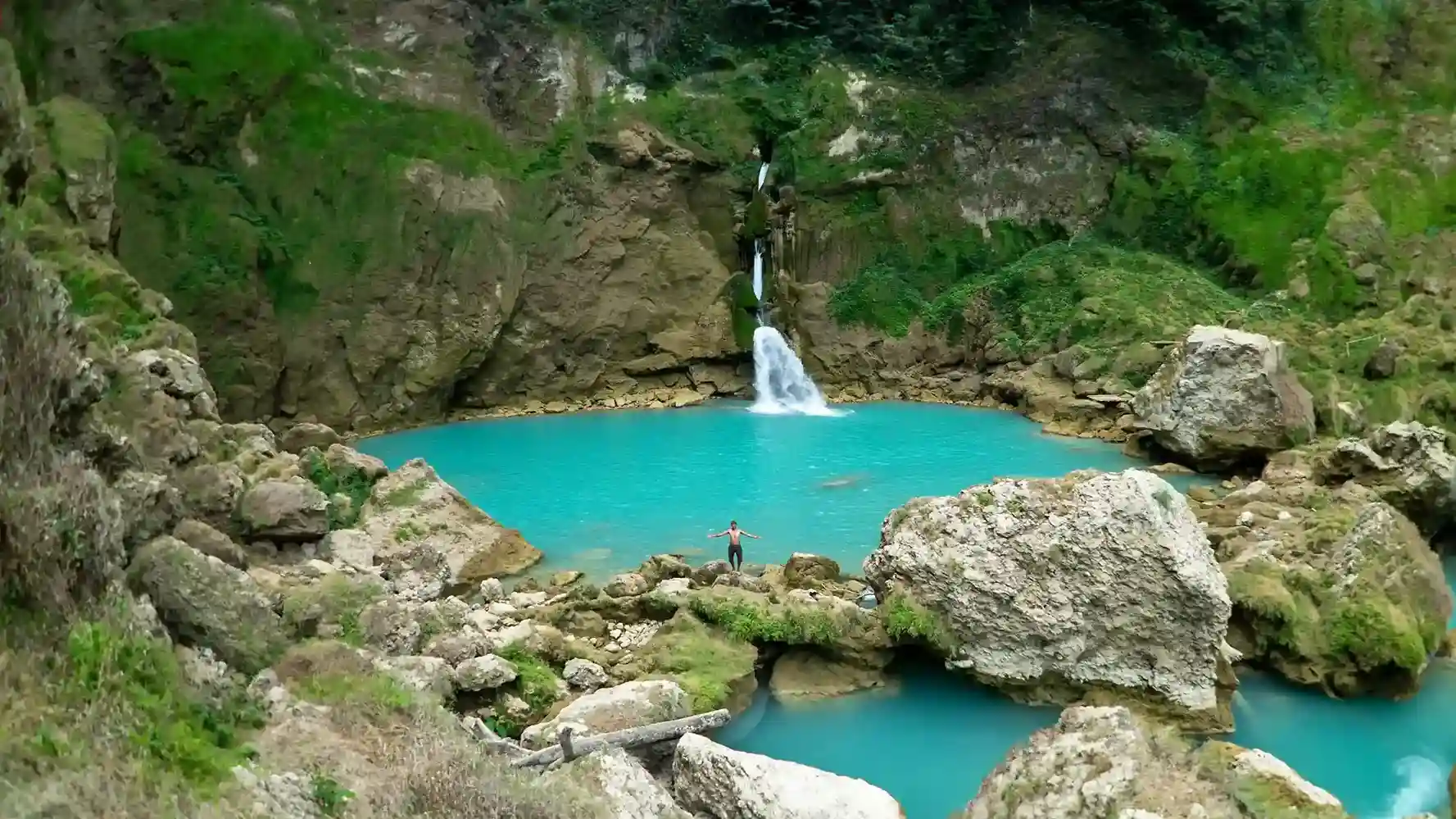
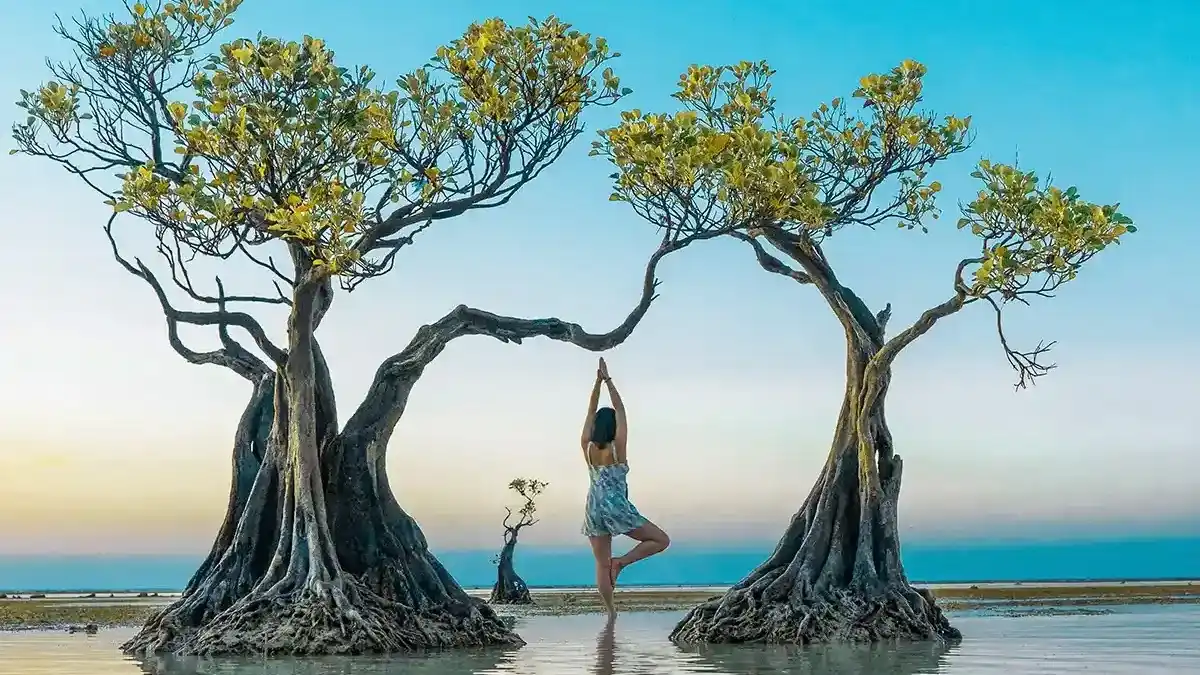
The humid air, thick with the scent of tropical earth and the distant roar of cascading water, pulls you deeper into Sumba’s untouched heart. Sunlight filters through a dense canopy, dappling the path as your private guide gestures forward. You anticipate the first glimpse of the Sumba Waterfall, not merely as a destination, but as the culmination of a meticulously planned, deeply immersive journey. This is not a rushed encounter; it is an exploration designed for discerning travelers who value exclusivity and seamless experiences. Understanding the financial architecture behind such an adventure ensures every moment, from the initial descent to the final, lingering gaze, is precisely as you envisioned.
Deconstructing the Standard Sumba Waterfall Experience: Base Costs and Core Inclusions
Embarking on a journey to the Sumba Waterfall is more than just a visit; it is an expedition into West Sumba’s pristine natural landscape. For the luxury traveler, this typically begins with a well-orchestrated package, designed to remove all logistical concerns. A standard, high-quality private day tour package for the Sumba Waterfall often starts around $350 to $700 USD per person, contingent on group size and specific inclusions. This baseline usually covers your dedicated vehicle and driver, crucial for navigating Sumba’s often rugged terrain. Expect a comfortable, air-conditioned SUV for your comfort, given the island’s tropical climate and sometimes lengthy drives, often exceeding 2-3 hours from major hubs like Tambolaka (TMC) airport. The driver, usually also acting as an initial local guide, provides insights into the surrounding villages and culture.
Beyond transportation, the core package includes the mandated local guide fee, which supports community tourism initiatives and ensures a safe, informed trek to the waterfall. This fee is generally around IDR 200,000 to IDR 500,000 ($13-$32 USD) per group, not per person, and is often paid directly to the community upon arrival. Park entrance fees, typically a modest IDR 50,000 to IDR 100,000 ($3-$7 USD) per person, are also factored in. These contributions are vital for the preservation of the natural site and local infrastructure. Your tour operator will meticulously handle these payments, presenting a single, transparent cost. Light refreshments, such as bottled water and perhaps some local fruits, are usually provided to keep you hydrated during the trek, which can vary from a gentle 20-minute stroll to a more adventurous 1-hour hike depending on the specific waterfall and its access point. For those interested in deeper cultural immersion, some packages might include a stop at a traditional village, like Ratenggaro or Praijing, often adding an hour to the itinerary and a small donation of IDR 50,000 ($3 USD) per visit. To explore further travel options within Indonesia, consider visiting the official Wonderful Indonesia site.
Understanding Tour Operator Markups and Value
The price discrepancy among operators for a similar Sumba Waterfall experience often reflects their level of service, network, and exclusivity. Premium operators invest significantly in their local teams, ensuring highly trained, English-speaking guides and top-tier vehicles. They also build robust contingency plans, a valuable asset when exploring remote areas. A reputable luxury tour operator might add a service fee of 15% to 25% on top of direct costs, which funds their operational excellence, 24/7 support, and bespoke itinerary planning. This markup translates into peace of mind, knowing every detail, from comfortable seating to emergency protocols, is handled. For instance, a tour that might cost $250 USD if booked piecemeal could be offered at $400 USD by a luxury provider, with the difference accounting for seamless coordination, higher quality equipment, and expert guidance. Always inquire about the qualifications and experience of your assigned guide; a seasoned local expert can transform a simple trek into an enriching cultural dialogue. Many luxury travelers find this added value indispensable for a truly worry-free exploration of the Sumba Waterfall.
Elevating the Journey: Luxury Enhancements and Bespoke Add-ons
For those who seek to transcend the standard and craft an truly Sumba Waterfall encounter, a suite of luxury enhancements is available. These bespoke additions transform a memorable trip into an extraordinary one, focusing on privacy, comfort, and personalized experiences. One of the most sought-after upgrades is a private helicopter transfer from Tambolaka Airport directly to a nearby landing zone, dramatically reducing travel time and offering striking aerial views of Sumba’s undulating landscape. This premium service can range from $1,800 to $3,500 USD one-way, depending on the helicopter model and flight duration, accommodating 4-6 passengers. Imagine soaring over rice paddies and traditional villages before descending near your destination, bypassing hours of road travel. This option is particularly popular for multi-day itineraries where time is a precious commodity.
Beyond transportation, culinary experiences can be significantly elevated. Instead of standard picnic lunches, consider a private chef preparing a gourmet meal at a scenic viewpoint overlooking the Sumba Waterfall, or perhaps a beachside barbecue after your trek. A private chef service, including ingredients and setup, might cost between $300 to $800 USD per event for a small group, offering a taste of local flavors with international sophistication. For deeper cultural immersion, specialized workshops can be arranged, such as traditional ikat weaving demonstrations with local artisans or a private performance of Sumba’s unique Pasola ritual (seasonal). These exclusive cultural encounters, often involving private access and direct interaction with community elders, can add $200 to $700 USD to your itinerary, providing insights into Sumba’s rich heritage. Personal photography or videography services, capturing every moment of your Sumba Waterfall adventure, are also a popular add-on, with professional packages starting from $400 USD for a half-day shoot. These bespoke elements ensure your journey is not just seen, but felt and remembered in vivid detail, perfectly aligned with the discerning traveler’s expectations.