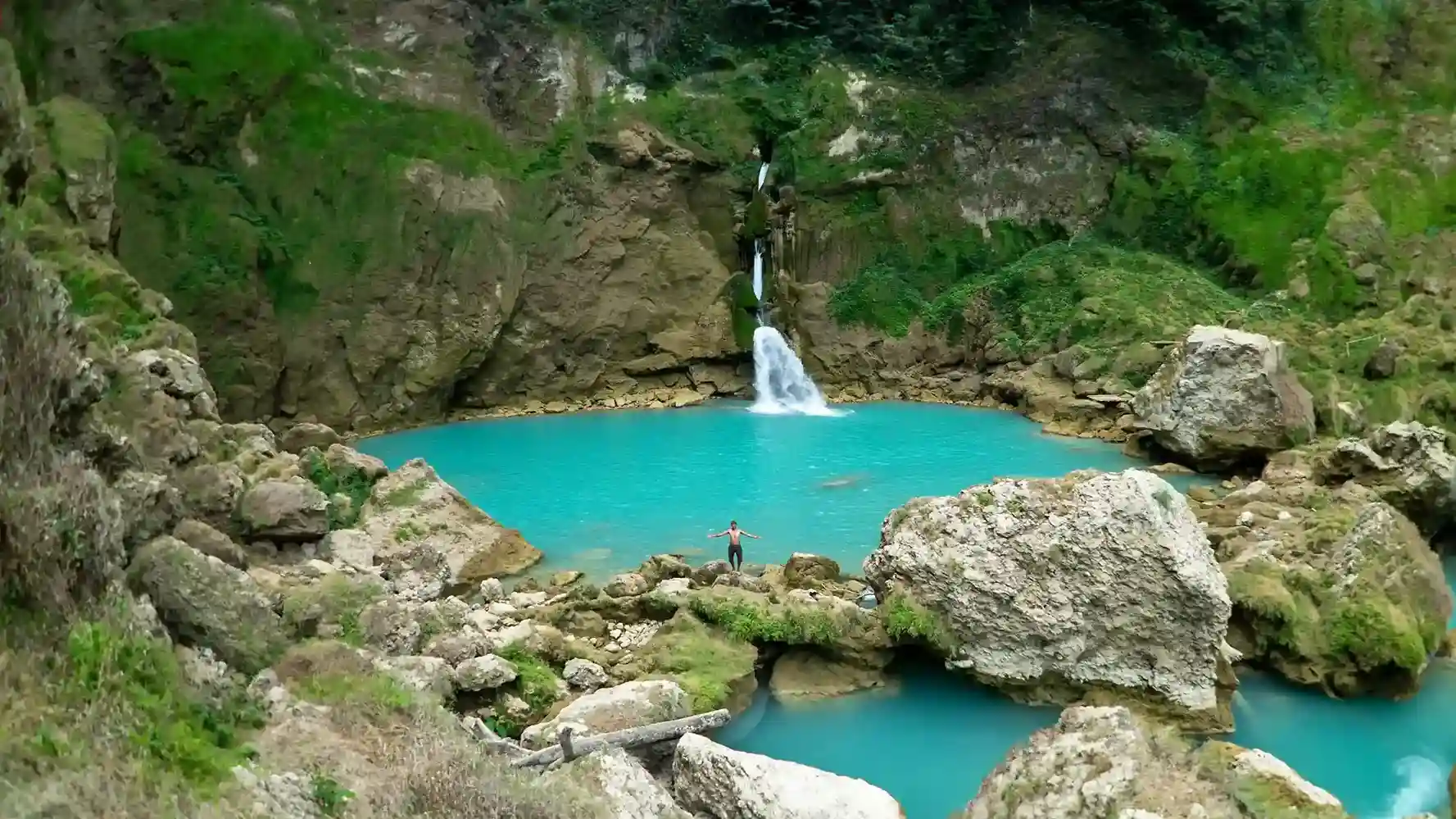
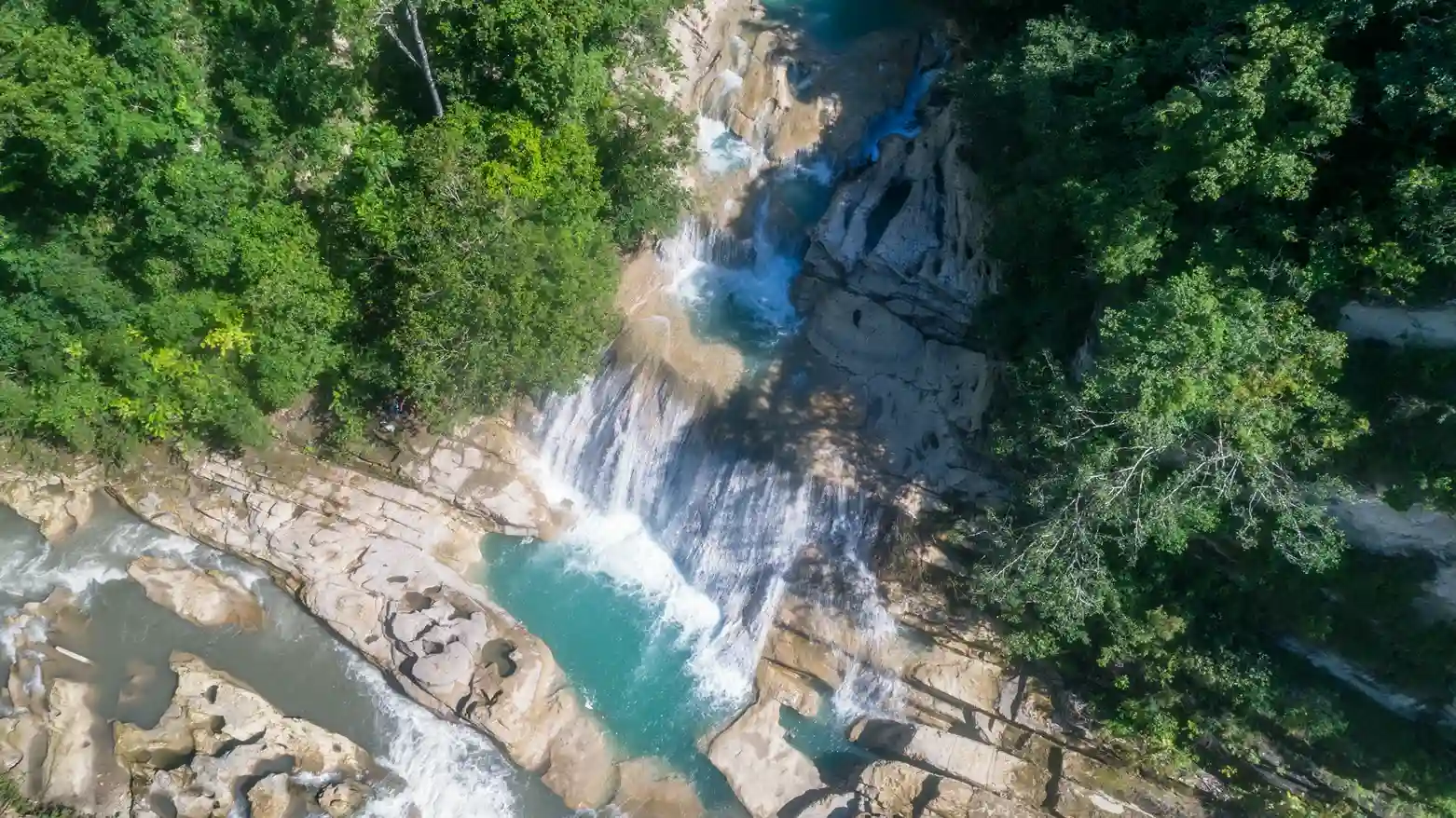
Sumba Island, a landmass of approximately 10,710–10,909.55 square kilometres within East Nusa Tenggara, Indonesia, offers a diverse array of natural attractions. Among these, its waterfalls stand as prominent features, each possessing distinct characteristics. While Air Terjun Lapopu in West Sumba is known for its height and national park setting, Air Terjun Tanggedu in East Sumba presents a different geological and visual experience, attracting visitors seeking its unique tiered structure and powerful water flow.
Locating Air Terjun Tanggedu
Tanggedu Waterfall is situated approximately 50 kilometres north-west of Waingapu, the capital city of East Sumba Regency. This geographical placement positions it within a distinct ecological zone compared to the western part of the island. Access to Tanggedu typically involves travel from Waingapu, often via organized tours or private transport. The journey traverses the varied landscapes of East Sumba, which include savanna and agricultural areas, differing from the more forested terrain surrounding waterfalls in the western regencies. Understanding this geographical context is crucial for planning logistics and appreciating the regional variations across Sumba. While Air Terjun Lapopu, for instance, is located roughly 30 kilometres from Waikabubuk, Tanggedu’s distance from Waingapu dictates a different travel itinerary. The distinct regional capitals serve as primary hubs for accessing their respective natural attractions.
Geographical Context and Regional Differences
Sumba Island, encompassing an area between 10,710 and 10,909.55 square kilometres, exhibits significant geographical variations. These differences extend to its waterfall landscapes. Air Terjun Lapopu, with an approximate height of 90 metres, is found within Manupeu Tanah Daru National Park in West Sumba Regency. Its coordinates are approximately 9.678861°S, 119.492889°E. Tanggedu Waterfall, by contrast, exists outside a designated national park, presenting a different environmental management context. The geological formations contributing to Tanggedu’s multi-tiered structure are specific to its localized geology in East Sumba. These regional distinctions are important for visitors seeking to understand the broader ecological and geological profiles of Sumba’s natural attractions. The differing distances from primary urban centers also influence travel times and accessibility.
The Visual Characteristics of Tanggedu
Tanggedu Waterfall is characterized by its tiered rock formations, where water cascades over multiple levels rather than a single drop. This creates a broader, more expansive visual display compared to the singular, vertical descent of waterfalls like Air Terjun Lapopu. The water flow at Tanggedu is often robust, particularly during the wet season, contributing to its powerful aesthetic. The surrounding environment typically features rocky riverbeds and sparse vegetation, reflecting the drier climate often associated with East Sumba. Photographers frequently focus on capturing the interplay of light and water across the distinct tiers, as well as the textural details of the rock. The absence of a dense canopy, often found at other Sumba waterfalls, allows for more direct sunlight, influencing photographic conditions. This contrasts with the more enclosed settings of waterfalls like Air Terjun Lapopu, which lies within Manupeu Tanah Daru National Park.
Photography Considerations at Tanggedu
For photographers, Air Terjun Tanggedu offers distinct challenges and opportunities. The open environment often means brighter conditions, requiring attention to exposure settings to manage highlights and shadows effectively. Long exposure techniques are frequently employed to smooth the water flow, emphasizing the tiered structure. The varying levels of the falls provide multiple compositional possibilities, from wide landscape shots to more intimate details of the cascading water. Consideration of the sun’s position throughout the day is crucial, as direct overhead light can create harsh shadows. Early morning or late afternoon light often produces softer, more directional illumination, enhancing the textures of the rock and water. Unlike the approximate 90-meter height of Air Terjun Lapopu, Tanggedu’s tiered structure provides a different scale for photographic composition. The distinct geological features of Tanggedu differentiate it from other Sumba waterfalls, influencing both the visual experience and photographic approaches.
Accessibility and Travel Logistics
Accessing Air Terjun Tanggedu involves a journey from Waingapu, the capital of East Sumba Regency, approximately 50 kilometres north-west. The road conditions can vary, with some sections potentially being unpaved or rough, particularly during the rainy season. Visitors typically hire private vehicles or join organized tours, as public transport options to the specific waterfall site are limited. The final approach to the waterfall often involves a short trek from the parking area, which may include navigating uneven terrain. This physical component requires appropriate footwear and a reasonable level of fitness. In contrast, Air Terjun Lapopu, located roughly 30 kilometres from Waikabubak, the capital of West Sumba Regency, also requires specific transport arrangements. Understanding these logistical differences is crucial for planning a visit to any Sumba waterfall.
Seasonal Variations and Visitor Experience
The experience at Air Terjun Tanggedu is significantly influenced by the seasons. During the wet season (typically November to April), the water flow is at its most powerful, creating a dramatic display. However, heavy rainfall can also impact road conditions, making access more challenging. The dry season (May to October) brings clearer skies and potentially easier travel, but the water flow may be reduced. The surrounding landscape also changes seasonally, with greener vegetation during the wet months and a more arid appearance during the dry period. This affects both the visual aesthetics and the comfort of the visit. For comparison, Air Terjun Lapopu, located at coordinates about 9.678861°S, 119.492889°E, within Manupeu Tanah Daru National Park, also experiences seasonal fluctuations affecting its water volume and surrounding environment. Visitors should consider these seasonal factors when planning their trip to Tanggedu, as they directly impact the waterfall’s appearance and the overall travel experience on Sumba Island.
Comparing Tanggedu with Other Sumba Waterfalls
Sumba Island offers a range of waterfall experiences, with Tanggedu standing as a distinct example in East Sumba. Its tiered structure contrasts with the single, tall drop of Air Terjun Lapopu, which has an approximate height of 90 metres. Lapopu, situated within Manupeu Tanah Daru National Park in West Sumba Regency, also features a more verdant, forested environment. Tanggedu’s setting, approximately 50 kilometres north-west of Waingapu, often presents a drier, more open landscape, reflecting the general ecology of East Sumba. The journey to Lapopu, roughly 30 kilometres from Waikabubak, involves different regional characteristics and road conditions compared to the approach to Tanggedu. These differences extend to the types of rock formations, the surrounding flora, and the overall atmospheric conditions experienced at each site. Visitors planning to explore multiple Sumba waterfalls should anticipate these variations.
The Broader Context of Sumba’s Natural Attractions
Beyond individual waterfalls, Sumba Island, with an area between 10,710 and 10,909.55 square kilometres, offers a diverse natural landscape. This includes savanna, traditional villages, and various coastal features. Waterfalls like Tanggedu and Lapopu are integral components of this wider natural heritage. The geographical distribution of these sites across East and West Sumba Regencies (e.g., Southwest Sumba Regency) necessitates comprehensive travel planning to appreciate the full spectrum of Sumba’s offerings. Understanding the unique characteristics of each waterfall, from the coordinates of Air Terjun Lapopu at about 9.678861°S, 119.492889°E, to the tiered structure of Tanggedu, enhances the visitor’s appreciation of Sumba’s ecological and geological diversity. Each site contributes to the island’s reputation as a destination for natural exploration and photography.